
 how-to
Why Fashion Jewelry Tarnishes Fast: Prevention & Care
Table of Contents
- What Is Jewelry Tarnish and Why Does Fashion Jewelry Tarnish So Fast
- The Role of Moisture, Humidity, and Environmental Exposure 🌧️
- How Body Chemistry Affects Tarnishing: Sweat, Oils, and Skin pH ✨
- Perfumes, Lotions, and Cosmetics: Hidden Tarnish Accelerators 💄
- Metal Quality and Plating Thickness: Why It Matters
- Jewelry Tarnish Prevention Tips That Actually Work 🛡️
- Best Ways to Store Fashion Jewelry to Minimize Tarnish
- How to Clean Fashion Jewelry When Tarnish Appears
- Frequently Asked Questions
Last Updated: August 31, 2026
What Is Jewelry Tarnish and Why Does Fashion Jewelry Tarnish So Fast
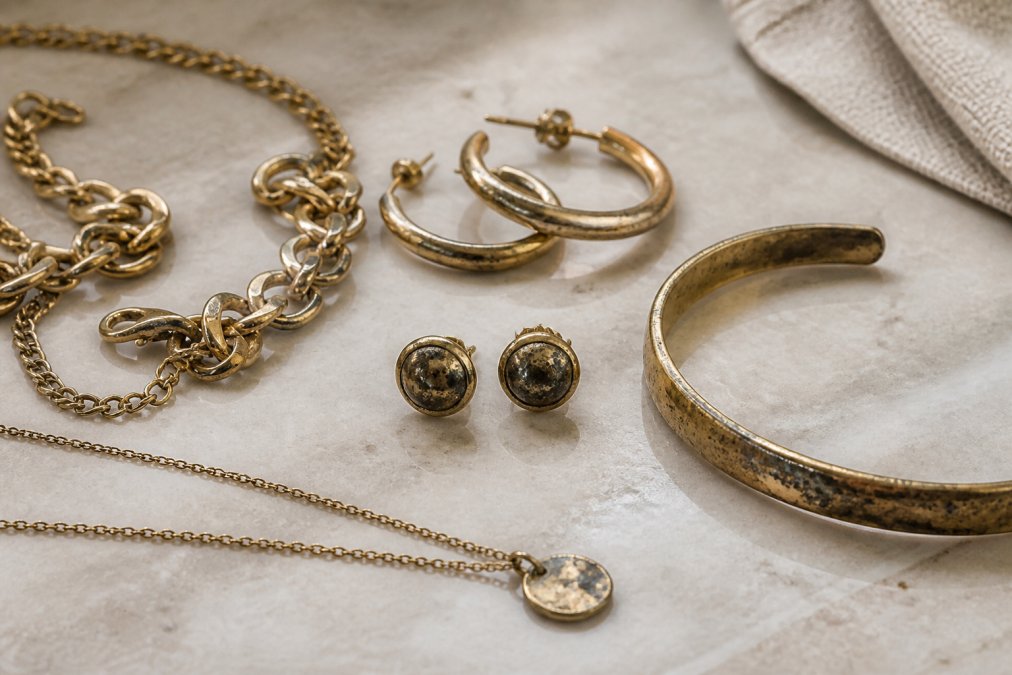
Jewelry tarnish is a dark discoloration that forms on metal surfaces through oxidation and chemical reactions with the environment. Fashion jewelry tarnishes faster than precious metals because it uses base metals and alloys containing copper, brass, or nickel, far more susceptible to oxidation than sterling silver or gold. When exposed to moisture, air, body chemistry, and cosmetic residues, these metals undergo chemical transformation that creates an unsightly coating.

Understanding the Chemical Reaction Behind Tarnish
Tarnish happens through oxidation, where metal atoms lose electrons when exposed to oxygen. For fashion jewelry, sulfidation, a specific type of oxidation triggered by sulfur compounds in air, on skin, or in cosmetics, is often the culprit. When sulfur meets copper or brass, a chemical reaction creates a dark layer of metal sulfide on the surface.
The electroplating process adds complexity. A thin coating of silver, gold, or other precious metal is applied over the base metal. This protective barrier keeps the reactive base metal hidden, but once it wears through, oxidation accelerates rapidly. Unlike tarnish on sterling silver, which forms a uniform patina, tarnish on fashion jewelry often appears as irregular spots because the alloy composition is inconsistent.
Why Fashion Jewelry Tarnishes Faster Than Sterling Silver
Sterling silver contains 92.5% pure silver, which oxidizes much more slowly than copper-heavy alloys used in fashion jewelry. The plating thickness matters enormously. Quality plated pieces have 2-3 micron coatings of precious metal, while many fashion pieces use less than 1 micron, wearing away within weeks of regular wear. Once that barrier is gone, the base metal oxidizes almost immediately. Manufacturers use base metals and thin plating to keep prices low, prioritizing affordability over longevity.
The Role of Moisture, Humidity, and Environmental Exposure 🌧️
Moisture accelerates oxidation dramatically. Humidity levels above 60% significantly increase tarnish formation. Storing jewelry in bathrooms, exposing it to hand washing, or letting it absorb sweat speeds up the process. Even invisible humidity in the air can trigger chemical reactions over time.
Environmental pollution also plays a role. Sulfur dioxide in urban or industrial areas accelerates sulfidation. Proximity to fireplaces or gas stoves increases sulfur exposure. Temperature fluctuations matter too, when warm, humid air cools suddenly, condensation forms on jewelry, creating an acidic environment where oxidation thrives.
How Body Chemistry Affects Tarnishing: Sweat, Oils, and Skin pH ✨
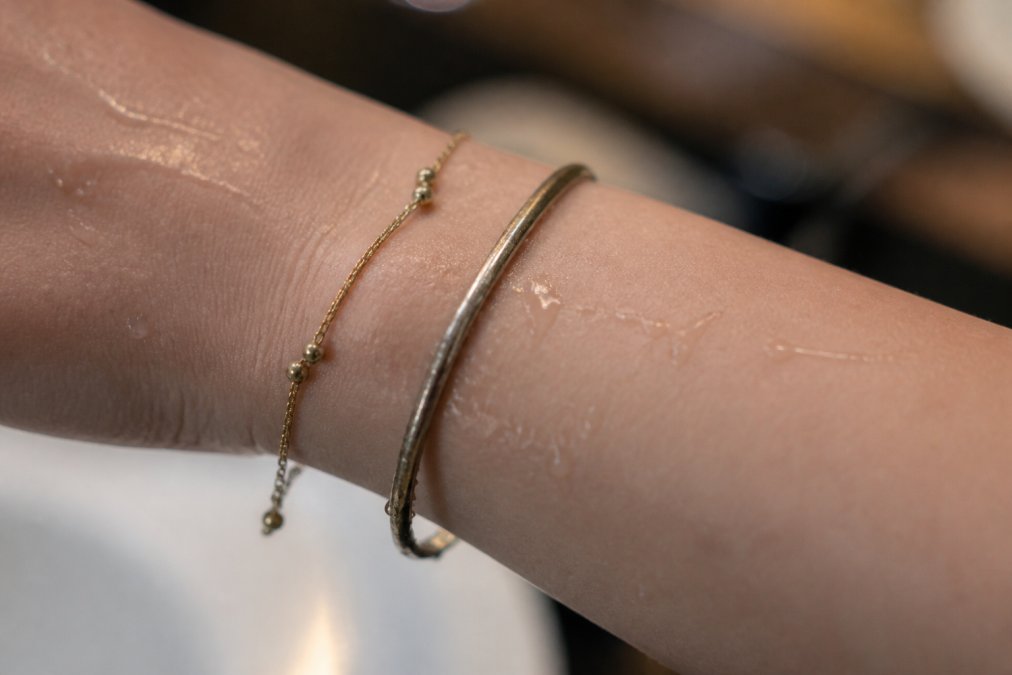
Your skin chemistry significantly impacts how quickly fashion jewelry tarnishes. Acidic sweat and natural skin oils accelerate the process by creating an environment where oxidation happens faster. When you wear jewelry, it contacts sweat containing salt and acidic compounds, creating a micro-environment where chemical reactions occur continuously.
Body oils trap moisture against the metal surface, forming a conductive environment where oxidation accelerates. People with oilier skin often experience faster tarnishing than those with drier skin. Skin pH matters more than most realize, acidic skin creates a more corrosive environment for base metals. This is why some people see tarnish within weeks while others wear the same piece for months.
Perfumes, Lotions, and Cosmetics: Hidden Tarnish Accelerators 💄
The products you apply to your skin directly contact your jewelry and dramatically accelerate tarnishing. Perfumes contain alcohol and aromatic compounds that can be corrosive to base metals. When you spray perfume on your neck or wrists where you're wearing jewelry, you're bathing your accessories in a chemical solution.
Cosmetics pose similar problems. Foundation, concealer, powder, and blush contain compounds that react with base metals. Sunscreen is particularly problematic because it often contains zinc oxide or titanium dioxide, which create a reactive film on jewelry surfaces. Lotions and moisturizers trap moisture against jewelry, creating a humid microclimate where oxidation thrives.
Timing matters significantly. Apply perfume, lotion, and makeup first, then put on jewelry once those products have dried. This prevents your jewelry from being continuously exposed to corrosive compounds.
Metal Quality and Plating Thickness: Why It Matters
The quality of the base metal and protective coating thickness determine tarnishing speed. Fashion jewelry uses various alloys, some brass or bronze oxidize relatively slowly, while nickel-heavy alloys tarnish much faster. Pieces designed purely for cost reduction can tarnish within days of moisture and air exposure.
Plating thickness makes the biggest difference. A 2-3 micron gold or silver plating stays shiny for months with proper care, while 0.5 micron plating shows base metal within weeks. The quality of the electroplating process itself matters, well-executed plating creates an even, durable coating, while poor plating is uneven with thin spots where base metal is partially exposed.
Nickel-free jewelry is worth seeking out for sensitive skin, but nickel-free doesn't automatically mean tarnish-resistant. Protection comes from plating thickness and quality, not the absence of nickel alone.
Jewelry Tarnish Prevention Tips That Actually Work 🛡️
Prevention is far easier than cleaning and dramatically extends your fashion jewelry's life.
Daily Habits to Reduce Tarnish
Put jewelry on last in your morning routine. Apply perfume, lotion, makeup, and sunscreen first, then add accessories once those products have dried. This prevents constant exposure to corrosive compounds.
Remove jewelry before showering, swimming, or exercising. Water exposure combined with soap and sweat accelerates tarnishing dramatically. Wipe jewelry with a soft, dry cloth at the end of each day to remove sweat, oils, and cosmetic residue. A microfiber cloth works perfectly.
Avoid wearing the same piece every day. Rotating jewelry gives each piece time to air out and prevents constant exposure to sweat and cosmetics. Keep jewelry away from sources of sulfur and pollution, avoid bathrooms near exhaust fans, kitchens near gas stoves, or anywhere near fireplaces or candles.
Storage Solutions for Long-Term Protection
Store jewelry in a cool, dry closet or bedroom rather than humid bathrooms. Use airtight containers with silica gel packets inside to absorb moisture and create a dry environment where oxidation happens much more slowly. Replace silica gel packets every few months when saturated.

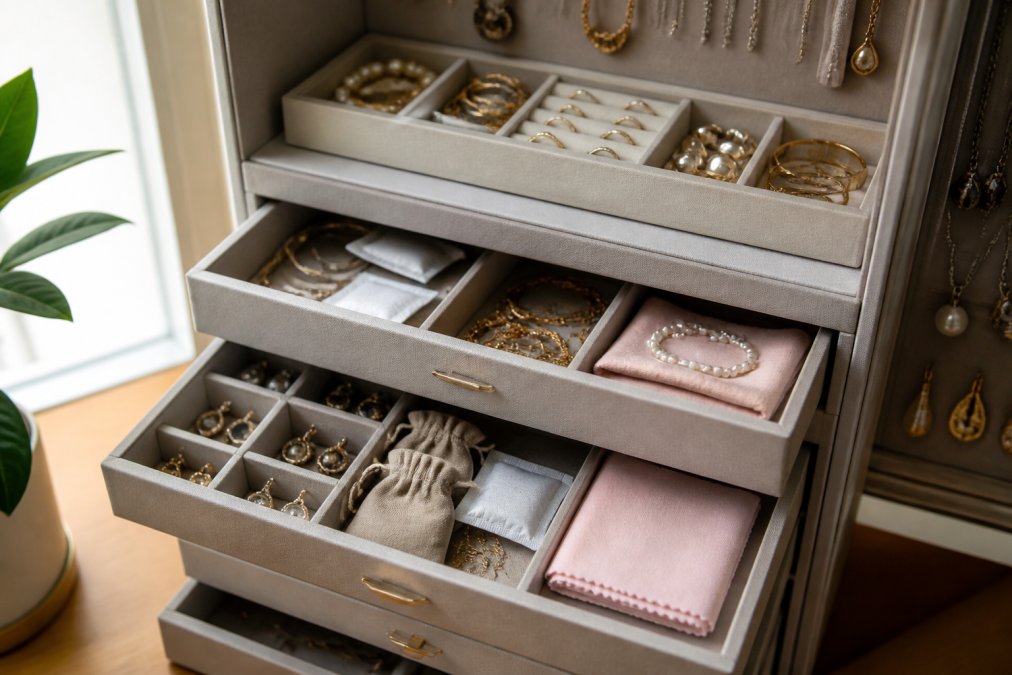
Anti-tarnish cloths and strips are worth the investment. Store jewelry wrapped in anti-tarnish cloth or place anti-tarnish strips in storage containers. Individual pouches or compartments prevent pieces from touching each other, avoiding tiny electrochemical reactions that accelerate tarnishing. Avoid storing jewelry in regular plastic bags or non-airtight containers, glass containers with tight seals or purpose-built jewelry storage boxes are superior.
Best Ways to Store Fashion Jewelry to Minimize Tarnish
The right storage setup extends your collection's life by protecting pieces from moisture, air, and environmental contaminants. Effective storage creates an environment with low humidity and minimal air exposure through sealed compartments and organized spacing. Adding silica gel packets to drawers further reduces moisture and extends jewelry life significantly. Consider exploring Jewelry Mystery Boxes as a way to discover new pieces while enjoying the thrill of curated collections, then store your finds in dedicated jewelry storage solutions designed to keep them tarnish-free.

How to Clean Fashion Jewelry When Tarnish Appears
Despite prevention efforts, tarnish will eventually appear. Gentle cleaning methods can restore shine without damaging delicate plating.
Gentle Cleaning Methods for Delicate Pieces
The safest method is a simple solution of warm water and mild dish soap. Submerge tarnished pieces for a few minutes, then gently scrub with a soft toothbrush or soft cloth. Rinse thoroughly with clean water and dry immediately with a microfiber cloth.
For stubborn tarnish, mix baking soda with a small amount of water to create a thick paste, apply it to tarnished areas, and gently rub with a soft cloth. Rinse thoroughly and dry completely. Avoid commercial tarnish removers designed for sterling silver, they're too harsh for thin plating and can strip away the protective coating entirely.
Never use a polishing cloth on pieces with stones or delicate details, as friction can damage settings or loosen stones. White vinegar can help with light tarnish, but soak for only a few minutes, then rinse and dry immediately, extended exposure damages plating.
When to Repair, Replace, or Discard Tarnished Jewelry
Not all tarnished jewelry is worth saving. If a piece has deep pitting or visibly exposed base metal, cleaning won't restore it. If plating is completely worn through across large areas, the piece has reached the end of its useful life.
Minor tarnish on a piece you love is absolutely worth cleaning and restoring. Some pieces can be re-plated if the base metal is still in good condition, though the cost often exceeds purchasing a new piece. Prevention is always cheaper than cure.
Fashion jewelry tarnishes because base metals used to keep prices affordable are inherently reactive to moisture, air, and body chemistry. While you can't stop tarnishing entirely, proper storage, daily care habits, and smart product choices dramatically slow it down. Explore curated collections and discover new favorites with Jewelry Mystery Boxes at CSShop, and pair them with proper storage solutions to ensure your pieces stay beautiful longer.
Consider these excellent jewelry storage solutions from CSShop:
- Large Capacity Jewelry Storage Cabinet with 9 Drawers: Keep your collection organized and protected with this spacious cabinet, featuring a flip-top mirror and anti-tangle ropes. Find it here: csshop.shop
- 360° Swivel Jewelry Cabinet with Full Length Mirror: Maximize your space with this versatile cabinet offering ample storage and a full-length mirror for head-to-toe views. Discover it here: csshop.shop
- Lockable Freestanding Jewelry Cabinet Armoire with Full-Length Mirror and Lights: Secure and display your jewelry beautifully with this armoire, featuring a full-length mirror and adjustable LED lighting. Shop now: csshop.shop
- 360° Rotating Mirrored Jewelry Cabinet Armoire 3 Color LED Modes Lockable: Efficient and stylish, this cabinet offers 360° rotation, ample storage, and three color LED modes. Get yours: csshop.shop
Visit CSShop for more curated fashion and lifestyle products!
Frequently Asked Questions
How do I stop fashion jewelry from tarnishing?
Prevent tarnish by storing jewelry in airtight containers with silica gel packets, removing pieces before showering or swimming, and avoiding contact with perfumes and lotions. Keep pieces in a cool, dry environment away from humidity and air pollution. Wear jewelry less frequently if your skin chemistry is highly acidic, and clean pieces regularly with a soft polishing cloth to remove residue before it hardens.
What materials in fashion jewelry are most prone to tarnishing?
Base metals like copper, brass, and nickel-plated jewelry tarnish quickly due to oxidation and sulfidation when exposed to moisture and air. Costume jewelry with thin electroplating tarnishes faster than thicker plating because the protective coating wears through quickly. Fashion jewelry made from alloys without precious metal content corrodes more readily than pieces with higher metal purity or quality plating thickness.
Why does my skin turn green when wearing fashion jewelry?
Green discoloration occurs when copper or brass in the jewelry oxidizes and reacts with your skin's natural oils and sweat. This chemical reaction is harmless but indicates that the metal's protective coating has worn away, exposing the base metal underneath. Higher humidity levels and acidic skin chemistry accelerate this process, making it more noticeable in warm or humid climates.
Does all fashion jewelry eventually tarnish?
Most fashion jewelry will eventually tarnish if worn regularly and not properly maintained, since base metals oxidize naturally when exposed to moisture, oxygen, and body chemistry. However, pieces with thicker electroplating, higher-quality alloys, or nickel-free construction resist tarnish longer. Proper storage, regular cleaning, and minimizing moisture exposure can significantly extend a piece's lifespan before visible tarnish appears.
This article was written using GrandRanker