
 how-to
How to Prevent Fashion Jewelry Turning Green
Table of Contents
- Why Fashion Jewelry Turns Green
- The Chemistry Behind Oxidation and Tarnish
- Best Materials to Prevent Jewelry from Turning Green
- How to Use Clear Nail Polish on Jewelry as a Barrier
- Proper Storage and Humidity Control
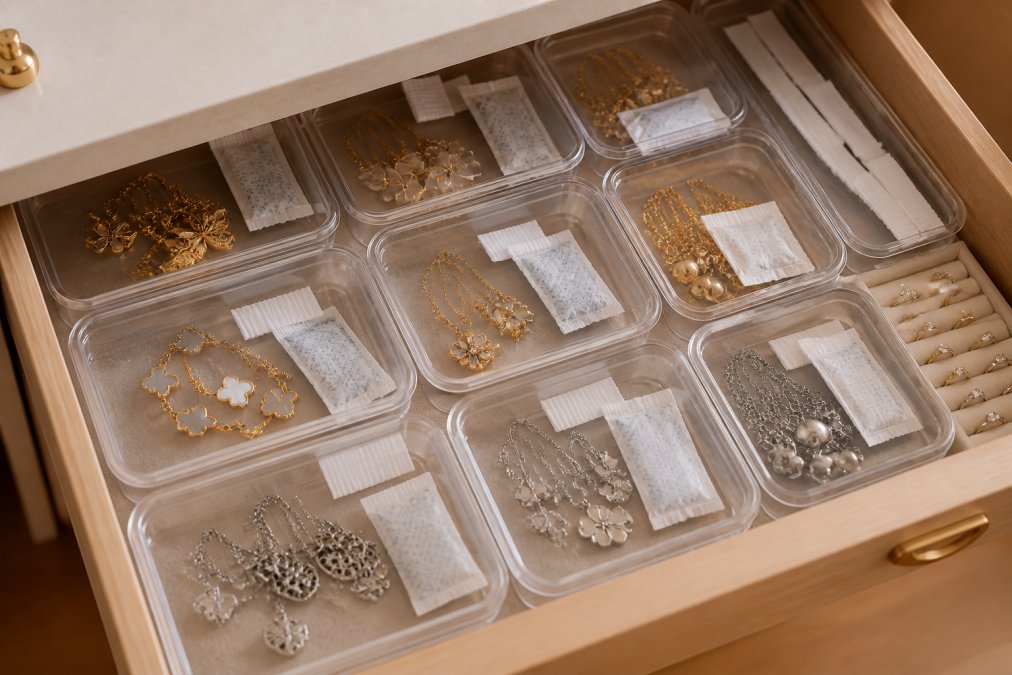
- How to Clean Tarnished Costume Jewelry
- Prevention Maintenance Tips
- Conclusion
Last Updated: August 15, 2026
Why Fashion Jewelry Turns Green
Fashion jewelry turns green due to oxidation and chemical reactions between base metals and your skin. When copper, nickel, or brass contact moisture, body oils, and acidic sweat, they undergo chemical transformation. The green discoloration is a natural reaction, not a sign of poor quality. Understanding this process is the first step toward prevention.
Copper is the primary culprit in fashion jewelry alloys. When copper oxidizes, it forms copper oxide, appearing as a distinctive green or teal tint on skin. This happens faster in humid environments or during physical activity. Most people mistake this for an allergy, but it's usually just oxidation. How to prevent fashion jewelry turning green involves simple, practical strategies that work regardless of metal composition.
The Chemistry Behind Oxidation and Tarnish
Oxidation is a chemical reaction where oxygen bonds with metal atoms, creating copper oxide with its telltale green or blue-green color. Tarnish is similar but forms when metals react with sulfur compounds in air or on your skin.
Base metals like nickel, brass, and copper are reactive elements prone to both oxidation and tarnish. Wearing jewelry against your skin creates the perfect environment: moisture from sweat, natural body oils, and body warmth all accelerate the process. Acidic sweat is particularly problematic because lower pH speeds up oxidation significantly.
Stainless steel and sterling silver resist oxidation much better but cost more. Fashion jewelry manufacturers use base metals for affordability, which is why preventing green discoloration is a practical concern for budget-conscious shoppers.

Best Materials to Prevent Jewelry from Turning Green
Material choice is the most effective long-term prevention strategy. Two separate problems are often confused: oxidation (causing green discoloration on skin) and contact dermatitis (allergic reaction to certain metals).
Metals that resist oxidation:
Stainless steel is budget-friendly because its chromium content (10-30% depending on grade) creates a passive oxide layer preventing further oxidation. 316L stainless steel, used in surgical implants, offers superior corrosion resistance compared to standard 304 stainless steel.

Sterling silver (92.5% pure silver) resists oxidation far better than base metals, though it will tarnish over time, a cosmetic issue differing from green discoloration caused by copper oxidation.
Titanium is hypoallergenic and highly resistant to oxidation, making it excellent if available in fashion jewelry lines.
Metals that cause skin discoloration:
Copper and brass are common in affordable fashion jewelry but oxidize readily, forming distinctive green or teal patina on skin. Nickel-containing alloys accelerate this and introduce contact dermatitis.
The allergy vs. oxidation distinction:
Green skin doesn't necessarily mean allergy; oxidation and allergic contact dermatitis are different. Oxidation stains skin temporarily and washes off; contact dermatitis is an immune response causing itching, redness, swelling, or persistent rash.
Nickel is the most common metal allergen, affecting approximately 10-15% of the population. If you experience itching, rash, or inflammation beyond green staining, the jewelry likely contains nickel. Look for nickel-free, hypoallergenic labels or surgical stainless steel with nickel content below 0.05%.
Gold-plated jewelry works if plating is thick enough (at least 2.5 microns), but once it wears through, the base metal underneath, often nickel-containing brass, may turn skin green or trigger allergic reaction.
Practical shopping guidance:
Check product descriptions for material composition. Terms like "hypoallergenic," "nickel-free," and "surgical stainless steel" indicate lower oxidation and allergy risk. Avoid vague labels like "alloy" or "mixed metal" without specification.
How to Use Clear Nail Polish on Jewelry as a Barrier
Creating a physical barrier between metal and skin is one of the most effective prevention methods. Clear nail polish is the most accessible DIY option.
The clear nail polish method:
Clear nail polish creates a physical barrier preventing direct contact between metal and skin, blocking moisture and oils that trigger oxidation.
Here's how to apply it properly:
- Clean the jewelry thoroughly with mild dish soap and warm water, then dry completely
- Apply a thin, even coat of clear nail polish to all metal surfaces contacting your skin
- Let it dry completely, typically 30 minutes to an hour
- Apply a second coat for added protection on high-contact areas
- Allow full curing time before wearing, typically 24 hours
Use thin, even applications. Thick, clumpy layers look obvious and feel uncomfortable. Quality clear nail polish adheres more smoothly and lasts longer than cheap brands.
Professional-grade jewelry sealants:
Professional jewelry sealants and clear protective sprays offer longer-lasting protection without frequent reapplication. These products typically last 3-6 months with normal wear, significantly longer than nail polish.
Jewelry sealant sprays create a clear, durable coating thinner and more flexible than nail polish, reducing visible buildup or chipping. They're designed to adhere to metal surfaces without damaging delicate finishes or plating and hold up better to lotions and perfumes than standard nail polish.
When to use each method:
- Clear nail polish: Best for pieces worn occasionally (1-2 times per week), costume jewelry with delicate details, or lowest upfront cost
- Jewelry sealant spray: Better for daily-wear pieces, items with intricate designs, or if willing to spend slightly more for longer-lasting protection
For daily-wear jewelry, combining a barrier method with proper storage and maintenance gives best results. Many people find that applying a barrier method monthly takes just minutes and prevents green skin frustration.
Proper Storage and Humidity Control
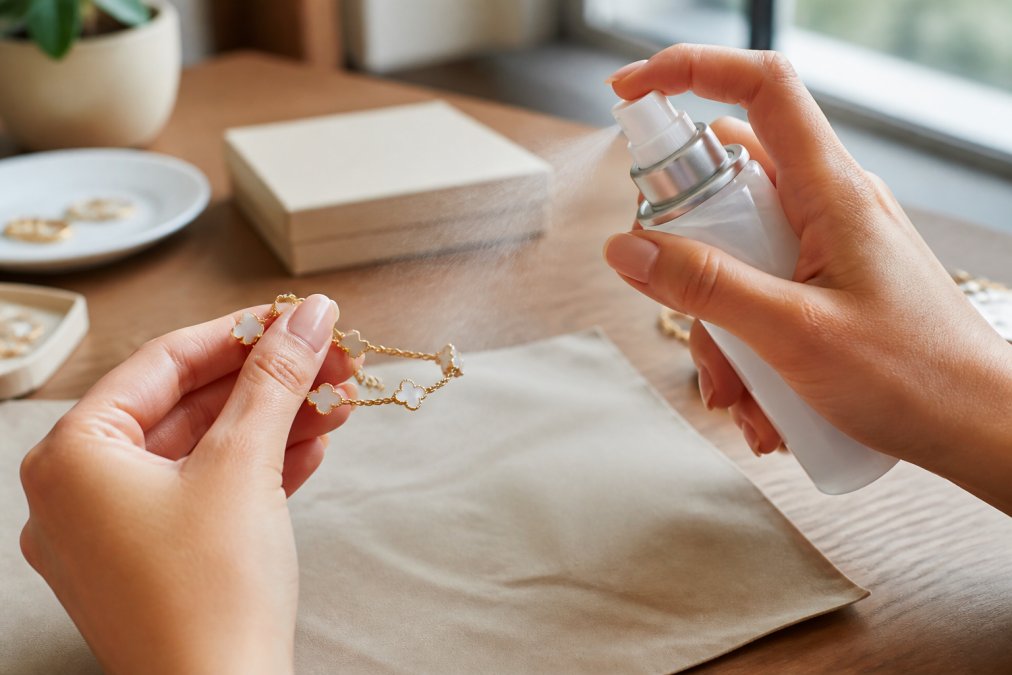
How you store jewelry between wears dramatically impacts whether it will turn green. Moisture and humidity accelerate oxidation, so store pieces in cool, dry places away from bathrooms.
Effective storage strategies:
- Airtight containers minimize air exposure
- Silica gel packets absorb moisture and can be reused indefinitely
- Anti-tarnish strips absorb sulfur compounds preventing tarnish and oxidation
- Individual pouches prevent cross-contamination and reduce surface exposure
- Avoid humid areas like bathrooms, kitchens, and basements
Humidity levels above 50% accelerate oxidation significantly. In humid climates, small dehumidifiers for bedrooms or closets are worth considering.
Remove jewelry before showering, swimming, or exercising. These activities expose pieces to moisture and sweat simultaneously, the worst combination for preventing oxidation.
How to Clean Tarnished Costume Jewelry
Even with prevention efforts, some jewelry will eventually tarnish. Knowing how to clean it properly restores appearance without causing damage.
The baking soda method is safe and effective for most fashion jewelry:
- Line a shallow bowl with aluminum foil, shiny side up
- Place tarnished jewelry on the foil
- Sprinkle baking soda over pieces (about 1 tablespoon per piece)
- Pour boiling water slowly over everything; the chemical reaction removes tarnish
- Let sit for 5-10 minutes
- Remove jewelry with tweezers and rinse thoroughly with cool water
- Dry immediately with a soft cloth
For light tarnish, use a soft toothbrush with baking soda and water paste. Gently brush affected areas, then rinse and dry.
For green discoloration specifically, the baking soda method works exceptionally well because it targets copper oxide directly.
Prevention Maintenance Tips
Consistent maintenance prevents most jewelry problems before they start.
Weekly care routine:
- Wipe jewelry with a soft, dry cloth after wearing
- Store pieces immediately in designated containers
- Check for visible tarnish or discoloration
Monthly maintenance:
- Inspect storage containers and replace silica gel if needed
- Reapply clear nail polish to pieces showing wear
- Clean jewelry starting to show tarnish using the baking soda method
Avoid these common mistakes:
- Wearing jewelry while applying lotions, perfumes, or sunscreen
- Leaving jewelry in humid environments
- Stacking multiple pieces without separation
- Wearing the same piece daily without breaks
Preventing fashion jewelry from turning green comes down to three core strategies: choosing better materials when possible, creating physical barriers between metal and skin, and storing pieces properly in dry conditions. Most solutions take just minutes but deliver months of protection.
If you're looking to refresh your jewelry collection with pieces designed to resist oxidation, explore our curated selection at CSShop. We offer fashion jewelry crafted from quality materials like stainless steel that naturally resist turning green, combined with thoughtful designs that work for everyday wear. Discover our collection and find pieces that maintain their beauty with minimal maintenance at https://csshop.shop. You might also enjoy exploring our Jewelry Mystery Boxes for a fun way to discover new styles while building a collection of quality pieces.

Frequently Asked Questions
Why does fashion jewelry turn my skin green?
Fashion jewelry turns skin green due to oxidation of base metals like copper and nickel reacting with acidic sweat and body oils. When these metals corrode, they release copper compounds that stain your skin. This is a chemical reaction, not an allergy, though some people with nickel sensitivity may experience contact dermatitis. Stainless steel and gold-plated jewelry are less likely to cause this issue.
Does clear nail polish stop jewelry from turning skin green?
Yes, clear nail polish creates a protective barrier that prevents base metals from contacting your skin and sweat. Apply 2-3 thin coats to the underside and interior surfaces of the jewelry, avoiding visible areas. Reapply every 2-3 weeks as the polish wears away. This method works best for costume jewelry and plated pieces and is an affordable way to extend the life of your fashion jewelry.
What metals are most likely to turn skin green?
Copper, nickel, and brass are the primary culprits. These base metals oxidize quickly when exposed to moisture, humidity, and acidic sweat. Gold-plated and sterling silver jewelry are safer choices, though gold plating can wear through over time. Stainless steel anklets and earrings offer excellent durability and resistance to tarnish, making them ideal for everyday wear.
How do I know if my jewelry will turn my skin green?
Check the material label, avoid pieces labeled as copper, brass, or low-quality alloys if you have sensitive skin. Look for stainless steel, sterling silver, or gold-plated options instead. If you've had issues with previous jewelry, test new pieces by wearing them for a few hours in a dry environment first. Stainless steel pieces like our Snake Chain Anklet are hypoallergenic and won't cause discoloration.
This article was written using GrandRanker