
 How-to
How to Choose Crystals for Energy Healing?
Last Updated: November 18, 2026
Quick Summary
To choose crystals, first name one specific intention you want to support, such as calm during workdays or grounding. Then shortlist two or three stones that match that goal, compare their hardness, water and sunlight sensitivity, size and cost, and pick one you will actually use.
- Write your intention in one specific sentence before you shop.
- Shortlist no more than three stones to keep the decision manageable.
- Check hardness, water sensitivity, and sunlight sensitivity before buying.
- Set a budget first and start with one small piece rather than a large collection.
- Crystal healing is an alternative practice, not a medical treatment, so seek qualified care for health concerns.
Table of Contents
- What Energy Healing Crystals Are and What They Can Not Do
- Start With Your Intention: Emotional, Spiritual or Physical Goals
- Healing Crystals and Their Meanings: A Practical Reference
- Healing Stones Chart: Matching Common Stones to Common Goals
- A Step-by-Step Quiz for Choosing Your Crystal
- Crystals for Healing and Protection: Safe Use, Care and Authenticity
- Bringing Your First Crystal Home: Explore the CSShop Collection
- Frequently Asked Questions
What Energy Healing Crystals Are and What They Can Not Do
Energy healing crystals are polished or natural stones that people choose for personal, symbolic, or spiritual reasons, and many readers want to know how to choose crystals that fit their goals. Many people use them as a daily reminder of a goal, a calming object in a busy room, or a meaningful gift. This guide shows you how to choose a piece with confidence.
Crystal healing is widely described as an alternative practice rather than a proven medical treatment. Crystal healing is generally considered an alternative practice rather than a proven medical treatment. Keep that in mind as you read. A crystal can be a meaningful personal choice, but it should never replace medical care.
So what can a crystal do? It can:
- Serve as a focus. Holding a stone can help you pause and set an intention.
- Work as a reminder. A rose quartz on your desk may nudge you to be kinder to yourself.
- Add beauty and meaning. Many people simply love the color and story of a stone.
What a crystal cannot do is cure disease, replace therapy, or fix a serious problem on its own. Choose your crystal for what it means to you, not for medical results.
Start With Your Intention: Emotional, Spiritual or Physical Goals
Before you choose crystals for your home or wardrobe of stones, decide what you want each stone to support. A clear intention makes the choice far easier. Most people fall into one of three areas.
- Emotional goals: calm, self-compassion, confidence, or processing grief
- Spiritual goals: meditation, intuition, or a sense of connection
- Physical goals: a sense of comfort, rest, or a calmer body routine
Write your intention in one sentence, such as "I want more calm during long workdays." Short and specific works best. If you struggle to name it, try asking yourself what you hope will feel different in a month.
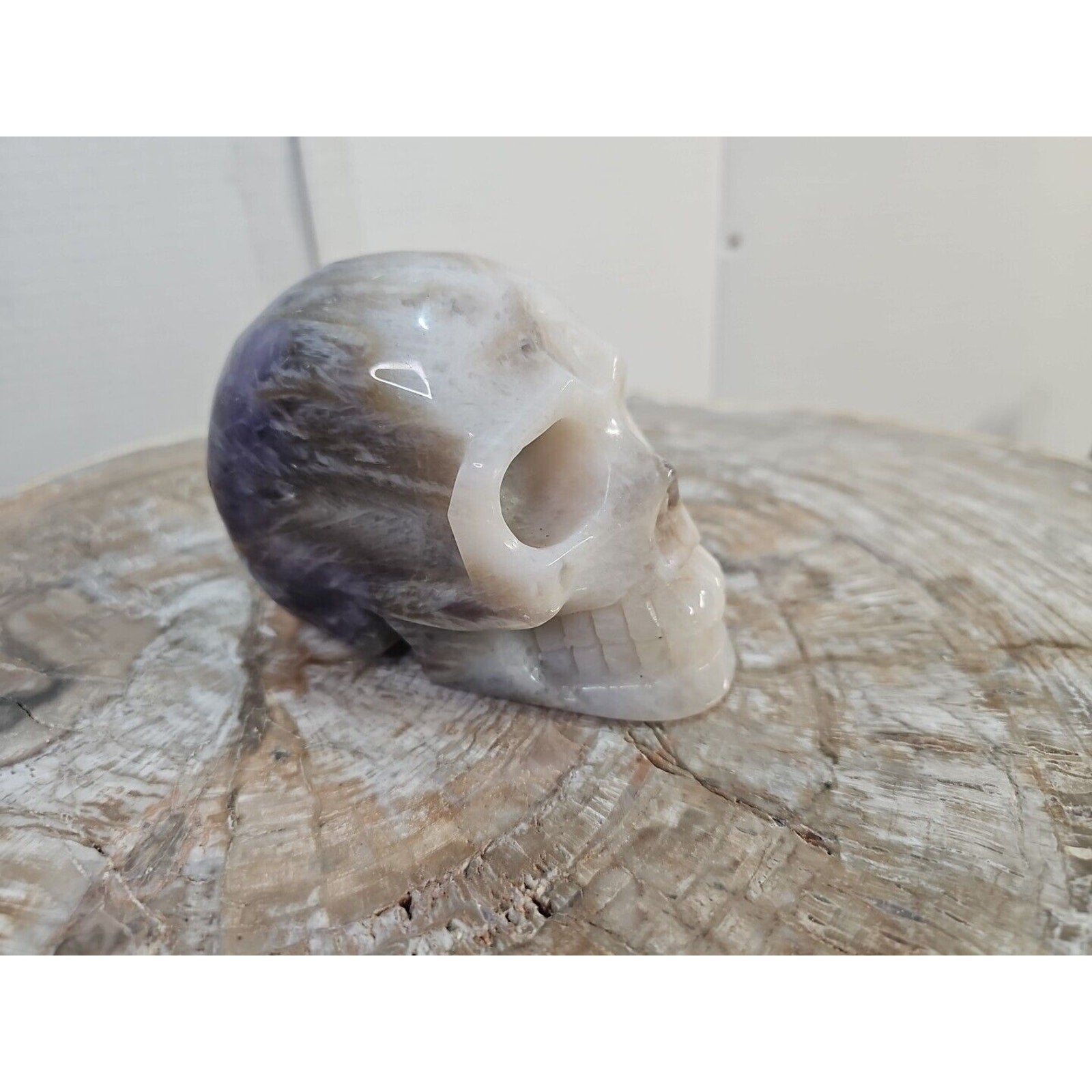
A collector-grade spiritual piece, like our hand carved amethyst crystal skull, can be a helpful way to see what intention-driven stones look like up close. If you are not sure which stones suit you yet, our Jewelry Mystery Boxes can be a playful way to explore a range of pieces without committing to a single choice.
Healing Crystals and Their Meanings: A Practical Reference
Crystal meanings come from traditional associations. Use them as a guide for personal reflection, not as proven facts. Here are common stones and the qualities people often associate with them:
- Clear quartz: clarity, focus, and amplifying an intention
- Rose quartz: love, self-compassion, and gentle emotional comfort
- Amethyst: calm, intuition, and restful sleep
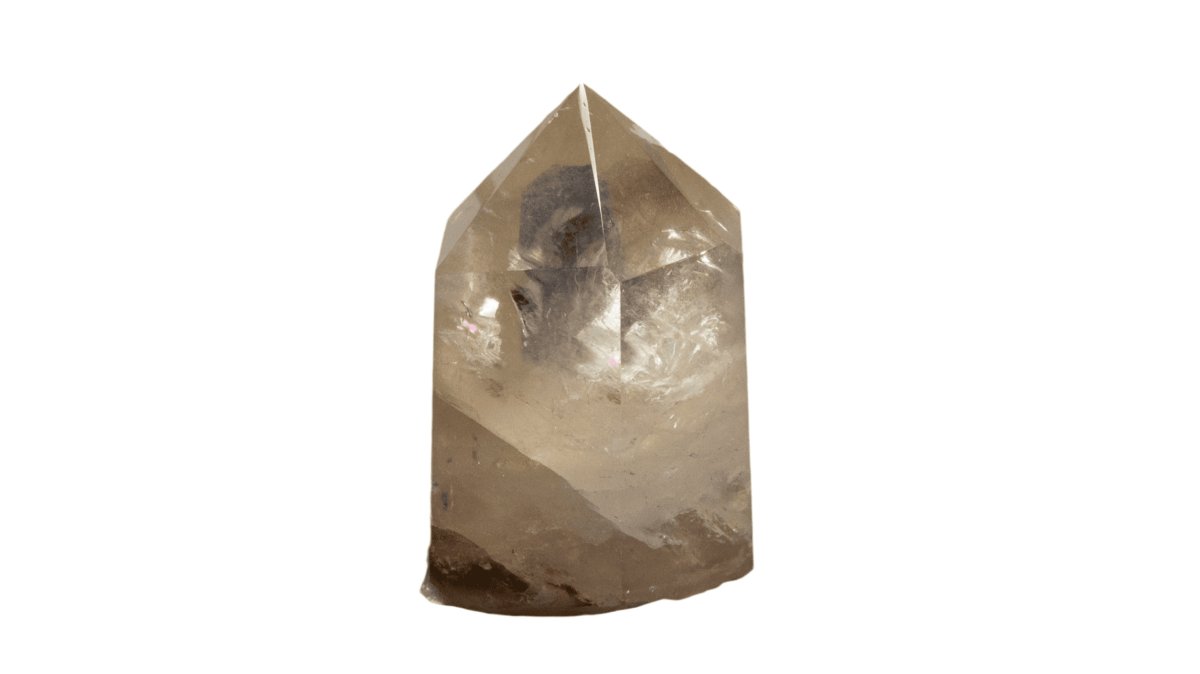
- Smoky quartz: grounding and a sense of stability
- Black tourmaline: protection and a feeling of boundaries
- Citrine: warmth, optimism, and motivation
- Labradorite: intuition and personal insight
Pick two or three stones that resonate with your intention. You do not need a big collection to start. One stone you care about is often more useful than five you do not.
Healing Stones Chart: Matching Common Stones to Common Goals
Use this chart to narrow your options quickly. Match your main intention to the stone, then check whether the look and feel appeal to you.
| Goal | Common Stone | Typical Association | Good Starting Piece |
|---|---|---|---|
| Emotional calm | Blue calcite | Soothing, steady mood | Blue calcite crystal sphere |
| Self-love | Rose quartz | Compassion, warmth | Rose quartz polished sphere |
| Grounding | Smoky quartz | Stability, protection | Smoky quartz tower |
| Intuition | Amethyst | Insight, restful focus | Amethyst tooth point |
Start with the goal that matters most to you right now. You can always add a second stone later.
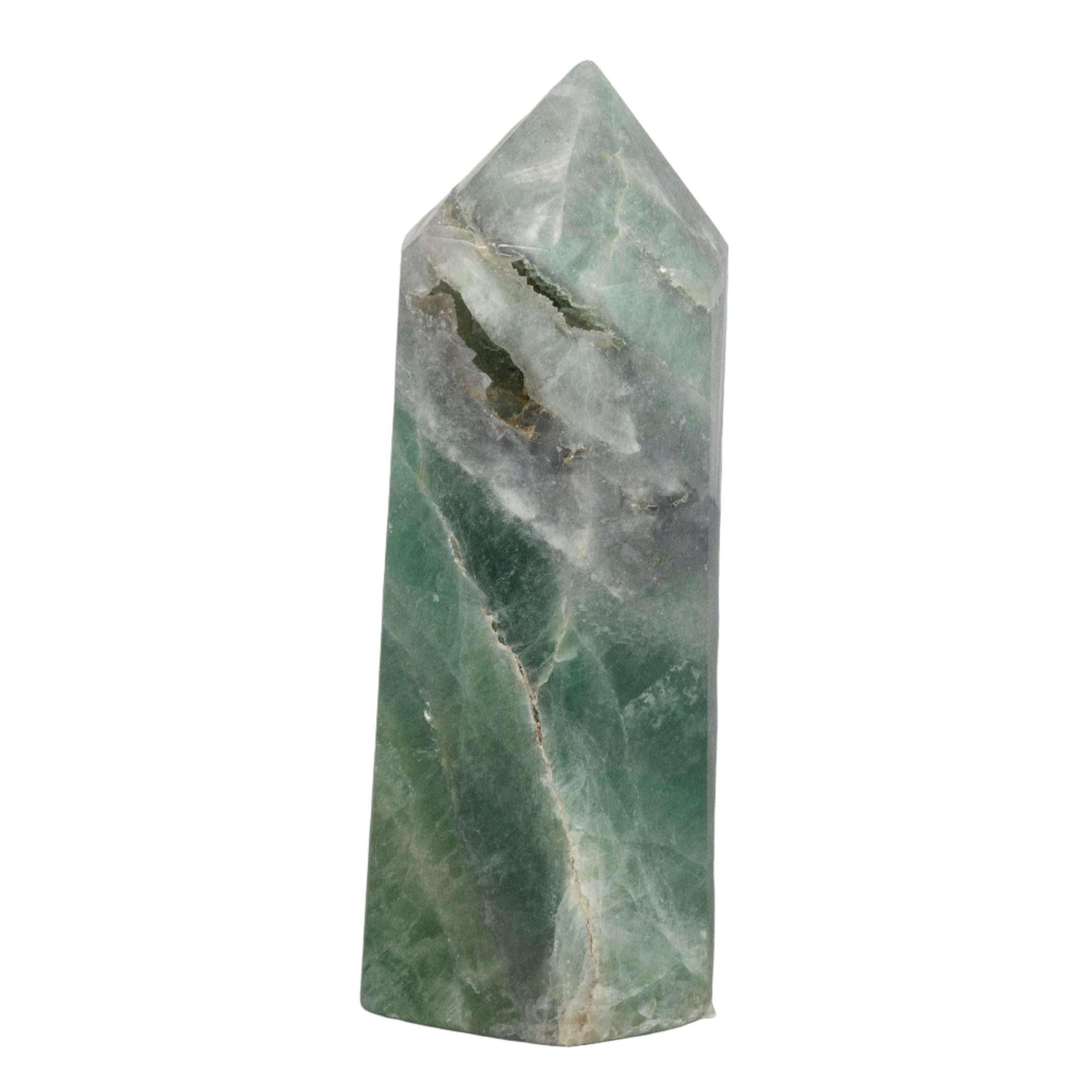
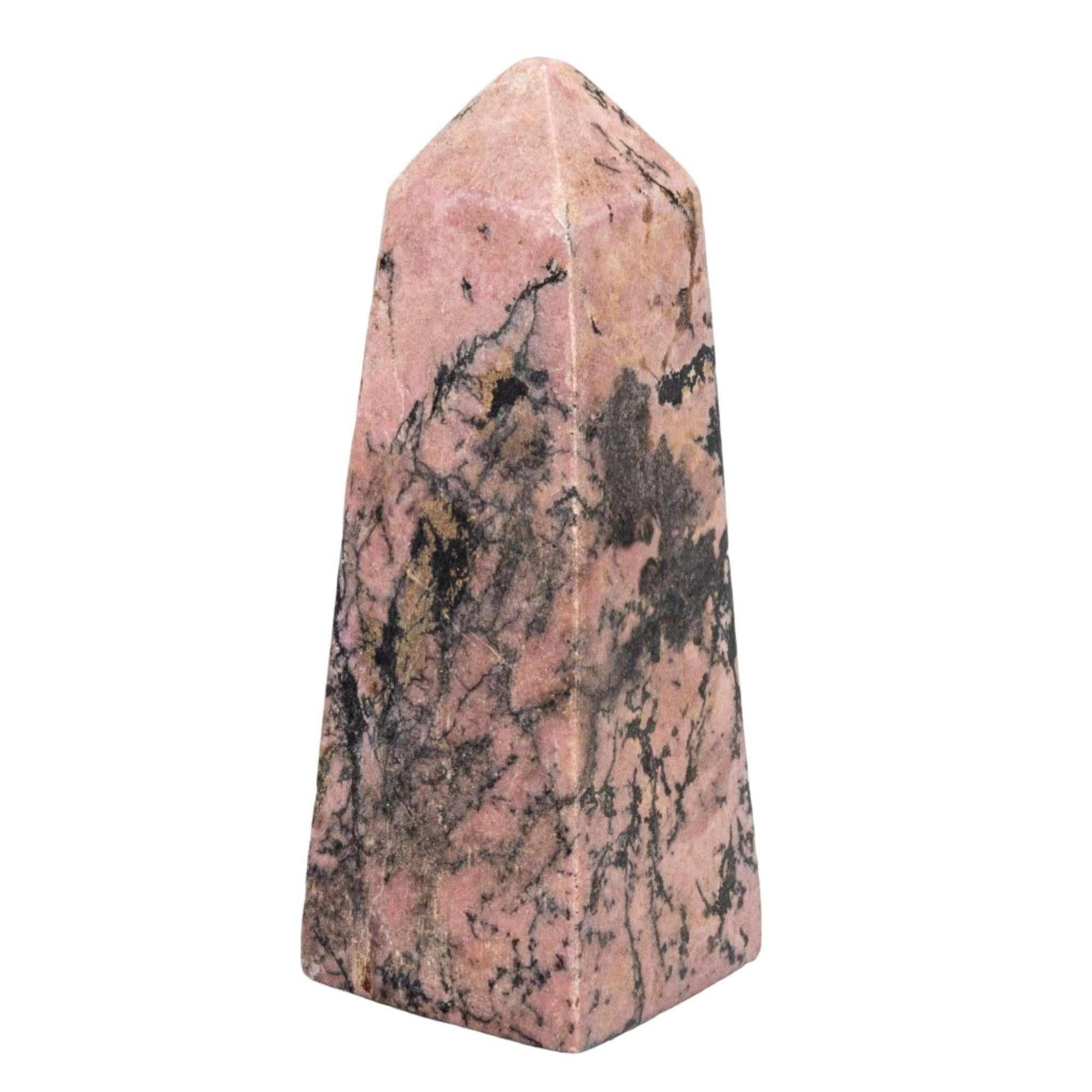
Hands arranging polished crystals on a wooden table in soft window light are a good way to see how stones look together before you choose.
A Step-by-Step Quiz for Choosing Your Crystal
Most crystal guides either tell you to "trust your intuition" or hand you a quiz that spits out one stone. Neither is a real decision process. Use this sequence instead: define the intention, shortlist stones, compare properties against practical constraints, then choose. It is repeatable, so you can use it again when your needs change.
- Name your main intention in one sentence. Write what you want to support, not what you want to happen. "I want more calm during long workdays" is workable; "I want my anxiety gone" is not something a stone can deliver. Keep the sentence specific and time-bound.
- Pick your focus area. Choose emotional, spiritual, or physical. If two apply, pick the one that matters most this month and treat the other as a later addition.
- Shortlist two or three stones. Use the chart above or a reputable reference. Do not shortlist more than three; a long list makes the next step harder, not easier.
- Compare properties and practical constraints side by side. For each shortlisted stone, note: hardness (can it be scratched by keys in a pocket?), water sensitivity (will it dissolve or degrade if splashed?), sunlight sensitivity (will the color fade on a windowsill?), size and weight (will it sit on a desk or fit in a pocket?), and cost. A stone that fails a practical constraint is the wrong stone for you even if you love how it looks.
- Check your reaction to real photos. Look at several photos, not one. Ask whether the stone makes you feel calm or curious. If you feel nothing, drop it from the list.
- Set a budget before you shop. Decide what you can spend on one piece. A small, well-chosen stone is a better start than a large piece you regret.
- Choose one piece and live with it for a few weeks. Notice whether it actually serves the intention you named in step 1. If it does not, you have learned something useful about what you want, and you can choose again.
Watch out: A quiz that returns a single "correct" stone is a marketing device, not a selection method. The right stone is the one that fits your intention and your practical constraints, and that you will actually use.
If you want a low-cost way to test a stone before committing, start with a small tumbled piece or a point rather than a large sphere or tower. If you have sensory preferences, handle the stone in person when you can: weight, texture, and temperature matter more than a photo can show. If you use a mobility aid or have limited grip strength, choose a smaller, lighter piece that is easy to pick up and set down.
Crystals for Healing and Protection: Safe Use, Care and Authenticity
Crystals are generally safe to handle, but "generally" is doing a lot of work in that sentence. Safety depends on the mineral, the form, and how you use it.
Safety by mineral and use. Not every stone is suitable for water, skin contact, or elixirs.
- Water-soluble minerals. Selenite, halite (rock salt), and some gypsum-based stones dissolve or degrade in water. Never soak them, and keep them away from humid bathrooms.
- Toxic or irritating minerals. Malachite, azurite, cinnabar, realgar, orpiment, and some lead-bearing stones should not be ingested, and dust from cutting or polishing them should not be inhaled. Do not make elixirs from them, and do not put them in direct contact with broken skin.
- Dust and handling. Cutting, grinding, or polishing stone generates dust. If you work with rough stone, use wet methods and a respirator rated for fine particulates. For everyday handling, wash your hands after touching stones that may carry surface dust.
- Skin contact. Some people react to certain stones or to coatings and dyes applied to them. If a stone irritates your skin, stop wearing or handling it.
- Elixirs. Do not assume a stone is safe to place in drinking water. Use the indirect method (place the stone in a sealed glass container inside the water) or skip elixirs entirely.
- Choking and small parts. Keep small tumbled stones and chips away from young children and pets.
Care that fits the stone. Use a soft cloth and lukewarm water for most hard stones. Avoid harsh chemicals, ultrasonic cleaners, and steam on porous, dyed, or treated stones.
Authenticity checks you can actually run. Visual inspection cannot establish authenticity on its own, but it can flag problems.
- Ask for the mineral name, not just the trade name. "Ruby" and "ruby zoisite" are different materials. A seller who will not name the mineral is a seller to skip.
- Ask about treatments. Dyed, heat-treated, irradiated, and composite stones are common and legal, but they should be disclosed. If a seller says "natural" without qualification, ask what that means for that specific stone.
- Check for dye and coatings. Dye often pools in cracks and around the base of a stone. Wipe a hidden area with a white cloth; unexpected color transfer is a red flag.
- Check for composites and imitations. Glass, resin, and reconstituted stone can look convincing in photos. Ask for a close-up of the surface and edges, and be cautious of prices that seem too good to be true.
- When in doubt, get a lab report. For expensive pieces, a report from a qualified gemological lab is the only reliable way to confirm identity and treatment.
Watch out: A seller who cannot or will not tell you the mineral name, the treatment status, and the origin of a stone is not giving you enough information to make an informed purchase, regardless of how the piece looks.
A common mistake is buying a piece for its promised effect instead of its actual look and quality.
Bringing Your First Crystal Home: Explore the CSShop Collection
Ready to start? Browse our crystal collection to find a piece that matches your intention. Every item shows clear details, real photos, and honest descriptions, so you can shop with confidence.
- Smoky quartz crystal tower for grounding and stability
- Rose quartz crystal sphere for warmth and self-compassion
- Blue calcite crystal sphere for calm and steady energy
- Amethyst crystal tooth point for intuition and restful focus
If you would rather let a surprise guide you, try our Jewelry Mystery Boxes. Visit csshop.shop to explore the full range, and pick the stone that feels right for you.
Frequently Asked Questions
How do I know which crystals are right for me?
Start with the intention you want to work on, then notice which stones you feel drawn to when you handle them in person or view them closely. Personal resonance matters more than any fixed rule. Read the meaning of a few candidate stones, check that the mineral is correctly identified and disclosed, and choose the one whose color, feel and purpose fit your goal and your budget. Many people start with one stone and only add more once they know how they use it.
What are the 7 main healing crystals?
There is no single official list, but clear quartz, amethyst, rose quartz, smoky quartz, black tourmaline, selenite and citrine appear often in beginner guides. Each is associated with different intentions, such as calm, love, grounding or clarity. These associations are traditional and symbolic rather than clinically proven, so treat them as a starting point for personal reflection instead of a medical guide.
How do you choose a crystal for a specific intention?
Write your intention in one clear sentence, such as wanting more calm before sleep or more confidence when speaking up. Then look up stones commonly linked to that theme and compare two or three options. Consider appearance, size and price, and choose the stone that feels right to you. You can also try a crystal quiz to narrow your options, though the final choice should come from your own judgment.
How should you care for and cleanse crystals?
Gently wipe crystals with a soft dry cloth to remove dust. Many people cleanse stones by running them under lukewarm water or leaving them in natural light, though some stones, such as selenite and many soft or porous minerals, can be damaged by water and should be kept dry. Check each stone's care needs before cleansing, and store pieces separately to avoid scratches, since harder stones can mark softer ones.
