
 listicle
Best Fashion Jewelry for Sensitive Skin
Table of Contents
- What Makes Fashion Jewelry Safe for Sensitive Skin
- Best Metals for Hypoallergenic Jewelry
- Metals to Avoid: Nickel, Lead, and Cadmium
- Understanding Nickel Allergy Jewelry Symptoms
- How to Clean Sensitive Skin Jewelry Properly
- Top Fashion Jewelry Picks for Sensitive Skin
- Gold-Plated vs. Solid Gold: What's Safe
- Identifying High-Quality Hypoallergenic Jewelry
Last Updated: August 19, 2026
Finding the right jewelry when you have sensitive skin feels like an impossible task. You discover a beautiful piece, wear it for a few hours, and suddenly your ears are red, itchy, and swollen. The truth is, you don't have to choose between style and comfort, the best fashion jewelry for sensitive skin exists and is more accessible than you think.
Sensitive skin reactions to jewelry are surprisingly common. Many people assume they're allergic to all metals when the real culprit is often a specific metal or a coating that's worn away. Understanding which metals are safe, how to identify high-quality pieces, and what to avoid transforms your entire approach to accessorizing. At CSShop, we've curated collections specifically designed with skin-sensitive wearers in mind, recognizing that quality fashion jewelry should work with your skin, not against it.
What Makes Fashion Jewelry Safe for Sensitive Skin
Fashion jewelry that's truly safe for sensitive skin prioritizes biocompatible materials and avoids metals that trigger allergic reactions. The key difference between safe and unsafe pieces comes down to metal purity, plating thickness, and whether the base metal contains known irritants. When a piece causes irritation, it's usually because the top layer has worn through, exposing the problematic base metal underneath.
Quality matters enormously. A piece that costs slightly more upfront often lasts longer and maintains its protective coating, ultimately saving you money and frustration. Look for pieces described as "hypoallergenic" or "implant-grade," which indicate materials tested for biocompatibility with human tissue. The construction of the piece also matters, earrings with surgical-grade posts are designed specifically for sensitive piercings because they minimize irritation during wear.
Best Metals for Hypoallergenic Jewelry
Sterling silver stands as one of the most reliable choices for sensitive skin when properly maintained. True sterling silver is 92.5% pure silver, making it naturally less likely to trigger reactions than lower-quality alternatives. However, sterling silver does tarnish over time.
Surgical-grade stainless steel (specifically 316L or 316LVM) is engineered for biocompatibility and resists corrosion exceptionally well. This metal is used in medical implants because it doesn't react with skin and doesn't tarnish, making it ideal for frequent wear without constant maintenance.

Titanium represents the ultimate choice for severe skin sensitivities. Completely hypoallergenic and lightweight, titanium is used in surgical implants and never causes allergic reactions. The only drawback is cost, titanium jewelry typically commands premium prices.
Platinum and its alloys are naturally hypoallergenic and incredibly durable, though significantly more expensive. Gold, particularly 14k and 18k gold, can be safe for sensitive skin when pure enough and free from nickel content in the alloy. However, lower-karat gold and gold-plated pieces carry higher risk.
| Metal | Purity Level | Best For | Durability | Cost |
|---|---|---|---|---|
| Sterling Silver | 92.5% pure | Everyday wear | Moderate (tarnishes) | Affordable |
| Surgical Stainless Steel | 316L/316LVM | Frequent wear | Excellent | Budget-friendly |
| Titanium | 99.6%+ pure | Severe sensitivities | Outstanding | Premium |
| Platinum | 95%+ pure | Investment pieces | Exceptional | Very high |
| 14K Gold | 58.3% pure | Occasional wear | Good | Moderate-high |
Metals to Avoid: Nickel, Lead, and Cadmium
Nickel is the primary culprit behind jewelry-related skin reactions. This cheap, durable metal is commonly used in fashion jewelry alloys, which is why so many people develop reactions to it. Check product descriptions carefully for "nickel-free" rather than assuming any piece without nickel mentioned is safe.
Lead and cadmium appear in some low-quality fashion jewelry, particularly vintage or imported pieces. These metals pose serious health risks beyond skin irritation. Reputable retailers test their jewelry for these metals, but budget pieces from unknown sources sometimes contain them. Copper and brass, while not toxic, frequently cause reactions in people with sensitive skin and are commonly used as base metals under thin plating.
Understanding Nickel Allergy Jewelry Symptoms
Nickel allergy manifests as contact dermatitis, an inflammatory skin reaction that typically appears within 24-48 hours of wearing a contaminated piece. The reaction usually starts with mild itching and redness at the point of contact, typically the earlobe for earrings or the wrist for bracelets. As the reaction progresses, you might notice swelling, blistering, or a rash that spreads slightly beyond the jewelry contact area.
The intensity of your reaction depends on how sensitive you are and how long you've worn the piece. Some people experience mild redness that fades within hours of removing the jewelry. Others develop severe reactions with significant swelling that takes days to resolve. Repeated exposure typically worsens reactions over time.
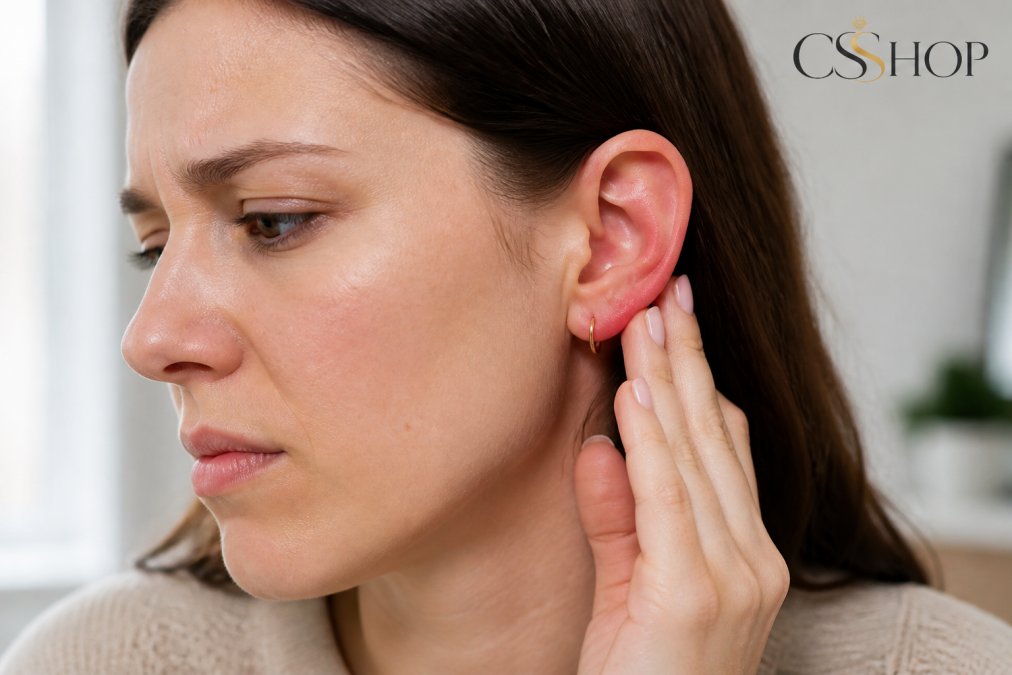
One often-overlooked symptom is itching that appears hours after you've removed the jewelry. This delayed itch can persist for days and signals allergic sensitization. Keep a small journal of which pieces cause reactions to identify patterns and avoid similar materials in the future.
Post-reaction care is simple: wash the affected area with gentle soap and cool water, then apply fragrance-free moisturizer. If swelling is significant, a cool compress helps reduce inflammation. Avoid wearing any jewelry in that piercing for at least a week, giving your skin time to fully heal.
How to Clean Sensitive Skin Jewelry Properly
Proper cleaning extends the life of your jewelry and maintains the protective coating that keeps your skin safe. For sterling silver pieces, create a simple cleaning solution using warm water and a few drops of mild dish soap. Soak the jewelry for 5-10 minutes, then gently brush with a soft toothbrush to remove tarnish and buildup. Rinse thoroughly with clean water and dry immediately with a soft cloth.

Stainless steel requires minimal maintenance. A mixture of equal parts white vinegar and water works well for removing fingerprints and minor buildup. For gold-plated and vermeil pieces, avoid soaking entirely. Instead, use a barely-damp soft cloth to gently wipe the surface. Remove these pieces before showering or swimming.
Store your jewelry in a cool, dry place away from humidity. A jewelry box with individual compartments prevents pieces from scratching each other and allows air circulation. Avoid storing jewelry in plastic bags, which trap moisture.
Top Fashion Jewelry Picks for Sensitive Skin
Stainless Steel Earrings for Everyday Wear
Stainless steel earrings represent the sweet spot between affordability, durability, and safety for sensitive skin. The 316L surgical-grade stainless steel used in quality earrings resists corrosion and never requires the maintenance that sterling silver demands. These pieces won't tarnish, won't develop a green patina, and won't trigger reactions even with daily wear.
What makes stainless steel earrings particularly valuable for sensitive skin is their post construction. Quality stainless steel posts are smooth, hypoallergenic, and designed to minimize irritation during wear. Unlike cheaper alternatives where the post might have rough edges, surgical-grade posts maintain their integrity through repeated insertions. For most people, stainless steel earrings are genuinely set-it-and-forget-it jewelry.
Sterling Silver Pieces That Won't Tarnish
Sterling silver's natural beauty and versatility make it a classic choice for sensitive skin, provided you're willing to maintain it. True 92.5% sterling silver rarely causes reactions, making it ideal for people who've identified nickel as their specific trigger. The key to enjoying sterling silver without constant maintenance is choosing pieces with protective coatings or understanding which designs tarnish more slowly.
To minimize tarnishing, store sterling silver in an airtight container or resealable bag when not wearing it. This dramatically slows oxidation. Wear your pieces regularly, frequent wear actually slows tarnishing because the natural oils in your skin create a protective patina. If tarnishing does occur, the gentle cleaning method described earlier restores the shine without damaging the metal.
Moissanite and Cubic Zirconia Alternatives
Moissanite and cubic zirconia offer brilliant sparkle without concerns associated with certain metals. These lab-created stones are set in hypoallergenic metal bases, typically sterling silver or stainless steel, making them ideal for sensitive skin. The stones themselves are completely inert and won't trigger reactions.
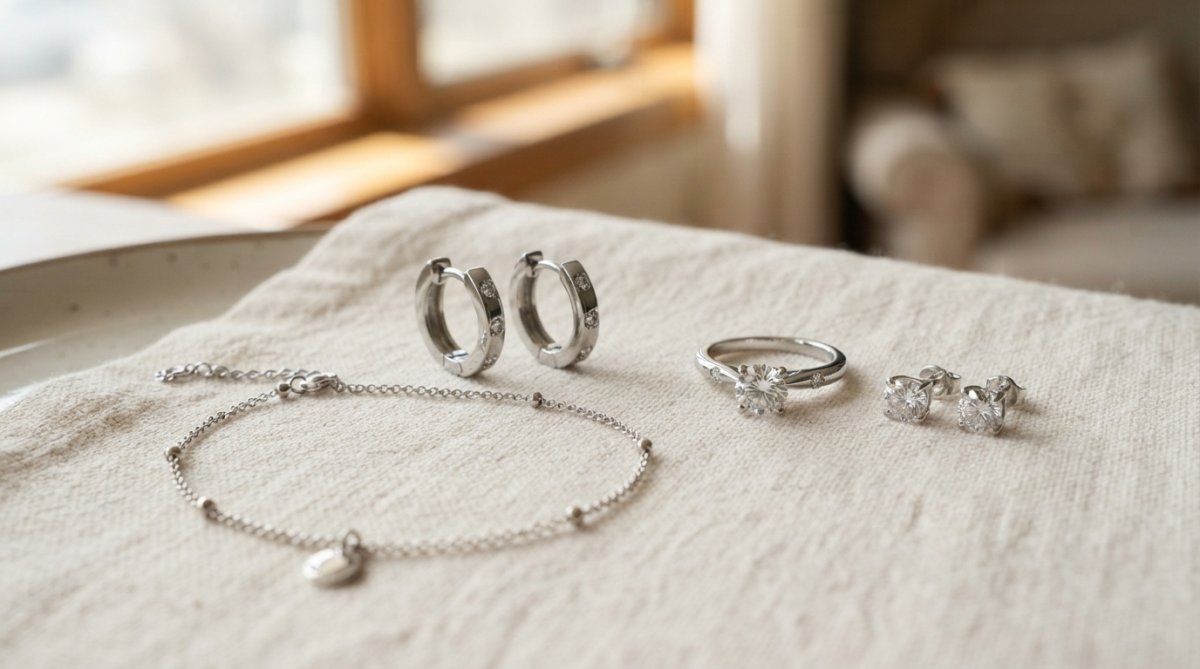
Moissanite ranks 9.25 on the Mohs hardness scale, making it extremely durable for everyday wear. Unlike cubic zirconia, which can become cloudy over time, moissanite maintains its clarity and brilliance indefinitely. Cubic zirconia offers a more budget-friendly alternative for people who want sparkle without the moissanite investment, though it can become cloudy or scratched after a few years of regular wear.
Gold-Plated vs. Solid Gold: What's Safe
Gold-plated jewelry consists of a thin layer of gold bonded to a base metal, typically brass, copper, or nickel-containing alloy. The thickness of this plating is crucial. High-quality gold plating is at least 2.5 microns thick, while budget pieces might be only 0.5 microns thick. Once the plating wears through, you're left with direct contact between your skin and the base metal, which often causes reactions.
Vermeil represents a middle ground between gold-plated and solid gold. Vermeil is sterling silver coated with a thick layer of gold (at least 2.5 microns). Because the base is sterling silver rather than brass or nickel-containing alloy, vermeil is significantly safer for sensitive skin than standard gold-plated pieces. Once the gold coating wears away, you're left with sterling silver, which is hypoallergenic.
Solid gold, specifically 14k and 18k, offers the highest safety for sensitive skin, assuming the gold is nickel-free. 18k gold contains 75% pure gold, while 14k contains 58.3%. Check the product description to confirm the alloy composition. For everyday fashion jewelry, high-quality vermeil or stainless steel with gold-tone plating offers better value than solid gold.
Identifying High-Quality Hypoallergenic Jewelry
Quality indicators start with material transparency. Reputable sellers clearly state the exact metal composition, purity level, and any coatings or plating. Descriptions like "gold-tone" or "silver-tone" without specific material information are red flags. Look for precise language: "925 sterling silver," "316L surgical stainless steel," or "18k gold nickel-free."
Certifications matter significantly. GRA (Gemological Research Association) certification for moissanite indicates the stone has been tested and verified. For precious metals, hallmarks stamped on the piece confirm purity. Weight and feel provide clues about quality, genuine sterling silver and solid gold have substantial weight relative to their size. Finish quality reveals construction standards. Run your fingers along the piece looking for rough edges, inconsistent plating, or areas where the coating appears worn or uneven.

Customer reviews that specifically mention skin reactions or lack thereof provide valuable insight. Look for reviews from people with documented sensitivities. If multiple reviewers mention wearing a piece for extended periods without irritation, that's a strong indicator of quality.
Sensitive skin doesn't mean sacrificing style or settling for boring jewelry. The options available today combine genuine safety with current fashion trends, giving you pieces you'll actually want to wear. Start with stainless steel basics, build confidence through successful wear experiences, and gradually expand into sterling silver and specialty materials as you identify what works for your skin.
Quality matters more than quantity when you have sensitive skin. One beautifully constructed piece that you can wear comfortably for years beats a drawer full of pieces that trigger reactions. Focus on building a small collection of versatile, hypoallergenic pieces that work with your lifestyle and skin needs.
Explore CSShop's carefully curated fashion jewelry collections designed specifically for sensitive skin. From stainless steel everyday pieces to sterling silver statement accessories and moissanite investment pieces, their selections prioritize both style and skin compatibility. If you're looking to discover new favorites, consider trying Jewelry Mystery Boxes from CSShop, a fun way to explore curated hypoallergenic pieces that match your style preferences. Visit CSShop to discover jewelry that lets you express your confidence without compromise.
Frequently Asked Questions
What jewelry material is best for sensitive skin?
Sterling silver, surgical-grade stainless steel, titanium, and platinum are the safest choices for sensitive skin. These metals are biocompatible, meaning they're less likely to trigger allergic reactions. Surgical-grade stainless steel, in particular, contains minimal nickel and resists corrosion well. If you're prone to contact dermatitis, avoid nickel-containing alloys entirely and look for pieces marked as nickel-free or implant-grade. Moissanite and cubic zirconia set in these metals also work well for those with metal sensitivities.
What are the signs of nickel allergy jewelry symptoms?
Nickel allergy symptoms typically appear within hours or days of wearing contaminated jewelry. Common signs include redness, itching, and swelling around the piercing site or contact area. Some people experience a burning sensation or develop a rash that spreads beyond the initial contact point. Severe reactions may cause blistering or oozing. If you notice these symptoms after wearing jewelry, remove it immediately and avoid similar pieces. Dermatitis from nickel exposure can persist for weeks even after the jewelry is removed, so early identification is crucial.
How should I clean sensitive skin jewelry to prevent irritation?
Clean hypoallergenic jewelry regularly using mild soap and lukewarm water. Gently scrub with a soft toothbrush to remove buildup, then rinse thoroughly and dry completely with a lint-free cloth. For sterling silver, use a specialized silver polishing cloth to prevent tarnishing, which can trap irritants. Avoid harsh chemicals, ultrasonic cleaners, or steam cleaning methods that may damage delicate pieces or create microscopic surface damage where bacteria can hide. Store jewelry in a dry environment away from moisture and humidity. Remove jewelry before swimming, exercising, or showering, as sweat and chlorine accelerate oxidation and can increase the risk of irritation.
Is gold-plated jewelry safe for sensitive skin?
Gold-plated jewelry can be problematic for sensitive skin because the plating wears away over time, exposing the base metal underneath, which is often nickel-containing alloy. If the plating is thin or damaged, your skin comes into direct contact with these reactive metals. For sensitive skin, solid gold (14k or 18k) is safer because the entire piece is made of gold alloy rather than a thin coating. If you prefer gold-plated pieces, choose those with thicker plating (at least 2.5 microns) and inspect them regularly for wear. Alternatively, opt for vermeil, which has a thicker gold layer over sterling silver, offering better protection for sensitive skin.
How can I tell if jewelry is truly hypoallergenic?
Look for clear labeling that specifies the metal type: sterling silver (925 mark), surgical-grade stainless steel (316L or 316LVM), titanium, or platinum. Reputable sellers provide material certifications and avoid vague terms like 'hypoallergenic' without specifics. Check product descriptions for nickel-free guarantees and look for mentions of biocompatible or medical-grade materials. If buying online, read customer reviews from people with sensitive skin to see if others report irritation. Avoid pieces with unclear material information or generic 'alloy' descriptions. When in doubt, contact the seller directly to confirm the exact metal composition and whether the piece has been tested for nickel content.
This article was written using GrandRanker