7 Jewelry Storage Rules That Prevent Scratches
Last Updated: November 19, 2026
Quick Summary
To prevent scratches, jewelry storage should keep each piece separated, dry, and away from harder materials. Store soft and plated pieces in their own lined pouches, close every clasp before storing, and keep hard stones and crystals apart from pearls and opals.
- Jewelers rank scratch resistance on the Mohs scale, which runs from 1 (talc) to 10 (diamond).
- Hang necklaces or lay them flat in a lined tray, one chain per slot.
- Line compartments with velvet, felt, or suede, never bare wood or metal.
- Avoid PVC and soft vinyl pouches, which can react with silver and plated finishes.
- Set up a scratch-free system in under an hour and check it monthly.
Table of Contents
- Why Jewelry Storage Decides Whether Your Pieces Stay Flawless
- Match Storage to Material: Scratch Risk by Hardness and Construction
- How to Store Jewelry to Prevent Tarnish
- How to Store Necklaces Without Tangling
- How to Organize Jewelry in a Box
- How to Store Jewelry Safely at Home: A Step-by-Step Setup
- Common Storage Mistakes That Cause Scratches
- Shop CSShop Storage-Friendly Pieces for Your Collection
- Frequently Asked Questions
Why Jewelry Storage Decides Whether Your Pieces Stay Flawless
Most scratches on jewelry don't happen while you wear it. They happen in the drawer.
That's the part most people miss. A chain tossed next to a ring, a pair of earrings rattling loose in a dish, a bracelet stacked against a stone harder than itself, these small habits add up. A beautiful finish can dull quickly when pieces are stored carelessly. The good news: the fix is simple, cheap, and takes one afternoon to set up.
Jewelry storage is the practice of keeping each piece separated, dry, and away from harder materials so its surface stays smooth. Do it right and your gold plating keeps its shine, your stones stay bright, and your chains stay tangle-free.
Below, we'll show you exactly how to store jewelry to prevent scratching, material by material, plus a step-by-step setup you can copy today. Here's what most guides get wrong: they treat all jewelry the same. It isn't.
Match Storage to Material: Scratch Risk by Hardness and Construction
The single biggest mistake is storing everything together. A diamond will scratch a pearl. A steel clasp will scuff gold plating. Hardness decides who wins and who gets scarred.
Jewelers rank scratch resistance on the Mohs scale, which runs from 1 (talc) to 10 (diamond). Pieces of similar hardness can mark each other, and the softer piece usually loses.
| Material | Approx. Mohs hardness | Store away from |
|---|---|---|
| Pearl, mother-of-pearl | 2.5-4 | Quartz, sapphire, diamond, steel clasps |
| Opal | 5.5-6.5 | Harder gemstones, metal edges |
| Gold (pure) | 2.5-3 | Steel, harder alloys, grit |
| Sterling silver | 2.5-3 | Harder metals, bare wood |
| Gold plating | Thin film over base metal | Anything harder than the plating |
| Quartz, CZ | 7-8.5 | Pearls, opals, plated finishes |
| Sapphire, ruby | 9 | Softer stones and metals |
| Diamond | 10 | Everything softer |
Soft metals and plated finishes
Gold plating, sterling silver, and thin chains are the most vulnerable. They scratch from contact with harder metals and from grit in a drawer. Store these pieces on their own, in a soft pouch or a lined compartment. Never let a plated chain rub against a steel clasp.
Construction matters as much as metal. A lobster clasp, a jump ring, or a soldered end cap is usually a harder alloy than the chain it holds, so an open clasp left against the chain will scuff it over time. Hollow links and box chains dent and mark more easily than solid cable chains because the walls are thinner. Close every clasp before storage and keep the hardware from pressing on the links.
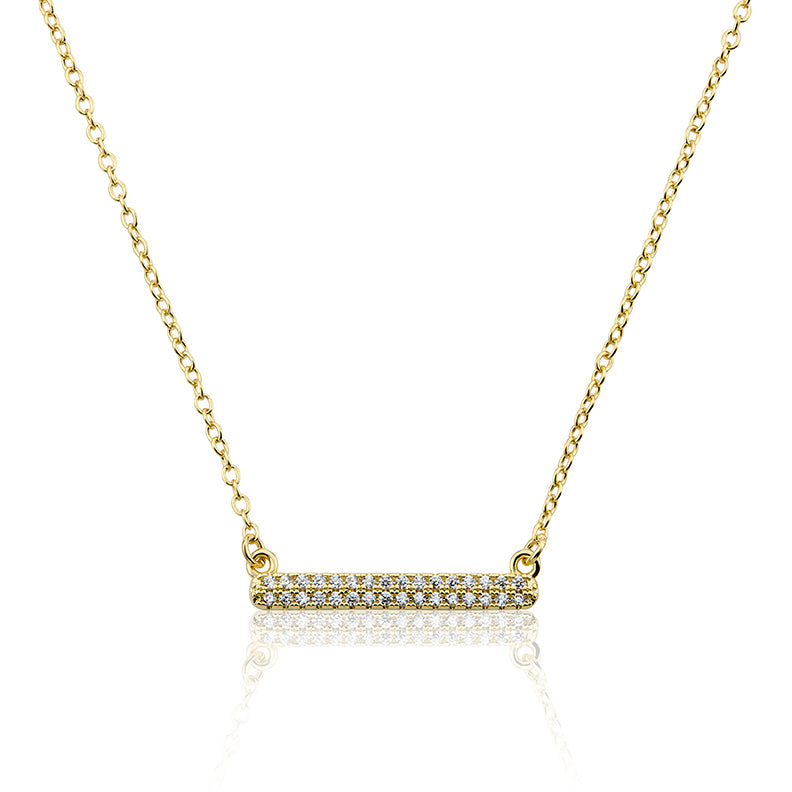
If you're picturing the technique on a real piece, a 14k gold plated necklace with a CZ bar center is a good example of a chain that needs its own space and a gentle hang.
Gemstones, crystals, and pearl-like pieces
Hard stones scratch soft ones. Raw quartz, for instance, is harder than a pearl or a piece of mother-of-pearl. Keep them apart.
Opals are a special case: they contain water and can craze (crack internally) if stored too dry or exposed to sudden temperature swings, so a sealed pouch in a stable room beats an open tray near a radiator. Pearls and mother-of-pearl are soft and porous, and they pick up scratches from almost any metal, so give them their own lined compartment with no metal contact at all.
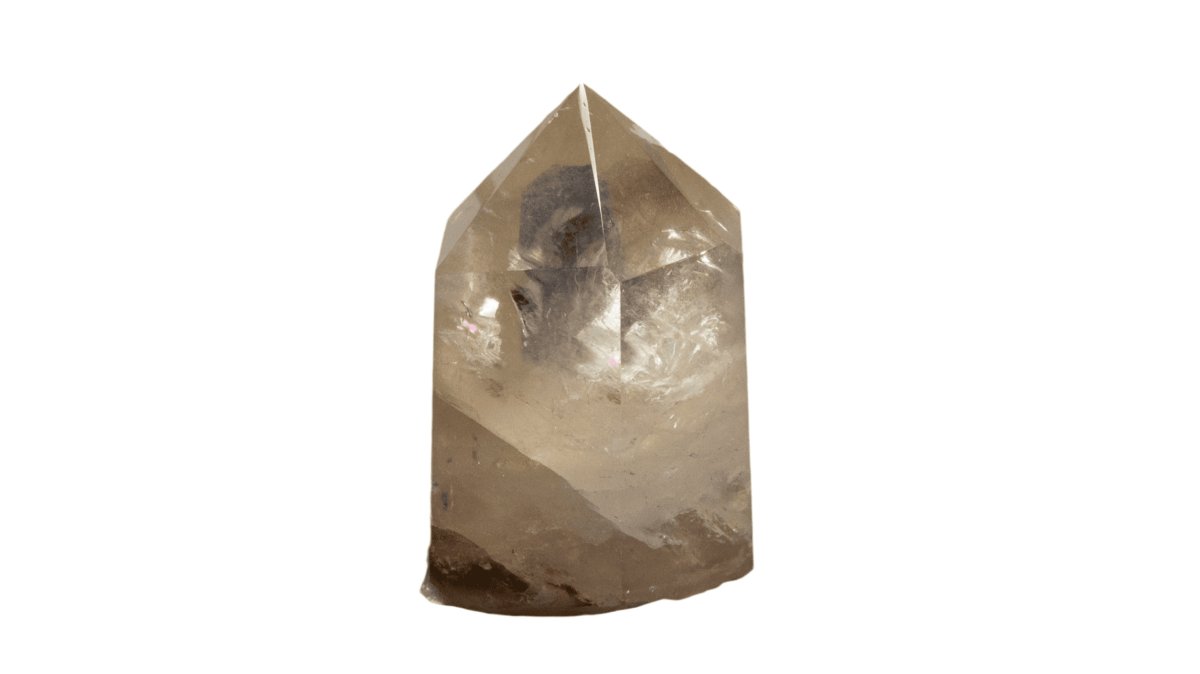
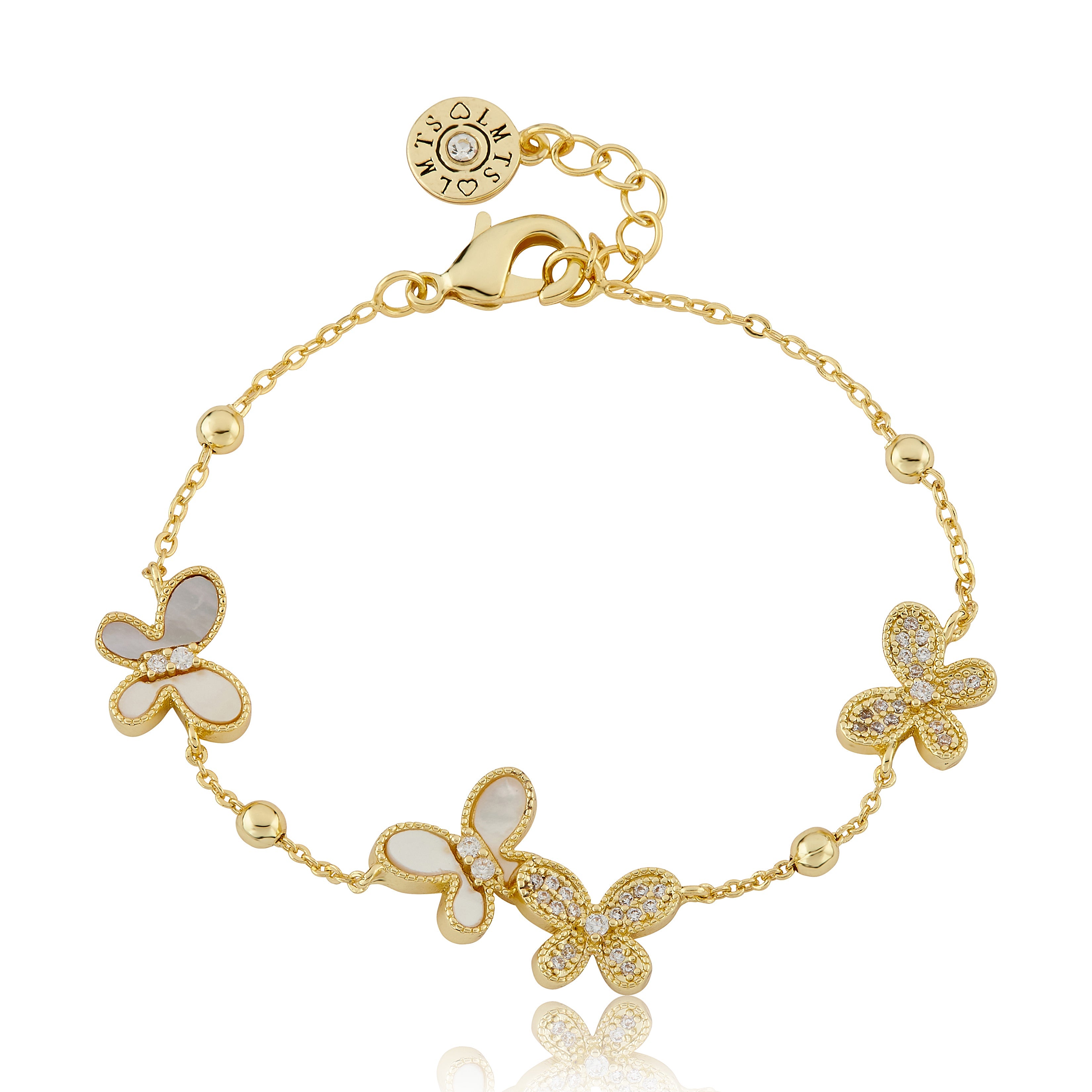
A mother-of-pearl and CZ butterfly bracelet shows why: mixed materials on one piece mean mixed care needs. And if you collect raw smoky quartz crystals, store them away from softer stones and polished jewelry entirely. Wrap each specimen or keep it in its own cloth bag.
Watch out: a diamond ring stored loose in the same compartment as a pearl necklace will etch the pearl's surface in a single jostle, and the damage cannot be polished out.
Mohs hardness of jewelry materials
How to Store Jewelry to Prevent Tarnish
Tarnish is a chemical reaction, not a scratch, but the storage rules overlap. Moisture, air, and humidity speed it up. Dry, dark, and sealed slow it down.
Here's how to store jewelry to prevent tarnish:
- Keep it dry. Remove jewelry before washing hands, showering, or cleaning.
- Cut the air. Use anti-tarnish bags, strips, or a sealed box.
- Add a moisture absorber. A small silica gel packet in the box helps.
- Store in a cool, dark place. Sunlight and heat wear on finishes.
- Separate metals. Different metals touching can react over time.
Plated and pearl pieces need extra care. A gold plated pearl bow necklace should live in a soft pouch, away from moisture and other metals. Humidity is a leading cause of tarnish, so a dry spot matters more than a fancy box.
How to Store Necklaces Without Tangling
The best way to store necklaces is to hang them or lay them flat, never pile them. Tangles cause scratches because chains pull against their own links.
Try these methods:
- Hang on hooks inside a closet or on a wall rack.
- Lay flat in a shallow lined tray, one chain per slot.
- Close each clasp before storing so the chain can't slip loose.
- Use a straw or tissue roll to loop a chain around for travel.
What most guides miss: the clasp is often the hardest part of a necklace. Left open, it scratches the chain it's stored with. Close it every time.
How to Organize Jewelry in a Box
A good jewelry box does one job: it keeps pieces apart. Compartments, dividers, and a soft lining turn a jumble into a system.
Start with a box that has small sections. Rings go in slots. Earrings pair up in their own cubbies. Chains hang or lie flat. The goal is zero contact between pieces.
Dividers, trays, and compartment layouts
Use dividers to section off soft pieces from hard ones. A storage tray with movable walls lets you resize slots as your collection grows. Line each compartment with velvet, felt, or suede, never bare wood or metal.
A workable layout, from softest to hardest:
- Top row: pearls, opals, mother-of-pearl, and plated pieces in individual pouches.
- Middle row: gold and silver chains, each in its own slot with the clasp closed.
- Bottom row: hard stones and crystals, wrapped or bagged, kept away from everything above.
- Ring slots: one ring per slot so stones and bands never touch.
Which lining and container materials are safe
Not every soft-looking material is safe. Some react with jewelry over months rather than days.
- Velvet and suede grip pieces and stop sliding; both are safe for most jewelry.
- Felt is soft and cheap, good for everyday pieces; untreated wool felt is safer than synthetic felt with adhesive backing.
- Linen and cotton breathe, which helps in humid rooms, but offer less cushioning.
- Anti-tarnish fabric (often treated with activated carbon or silver-impregnated fibers) helps silver and plated pieces but should not be relied on for pearls or opals.
- Avoid rough fabric, bare wood, and metal-on-metal contact.
- Avoid PVC and soft vinyl pouches: the plasticizers can react with silver and plated finishes and leave a haze.
- Avoid adhesive-backed foam inserts, which can off-gas and discolor metal over time.
- Avoid rubber bands and elastic loops around chains, which leave marks and degrade.
How to Store Jewelry Safely at Home: A Step-by-Step Setup
You can set up a scratch-free system in under an hour. Here's the exact order we'd use:
- Sort by material. Group soft and plated pieces apart from hard stones and crystals.
- Pick your containers. A lined box for daily pieces, pouches for delicate ones, bags for travel.
- Line every surface. Velvet, felt, or suede in each compartment.
- Assign one spot per piece. No shared slots between metals.
- Add moisture control. A silica packet in each box.
- Choose a cool, dry, dark location. Away from windows and bathrooms.
- Close clasps and fasten chains before they go in.
- Check monthly. Wipe pieces, swap silica, and re-sort anything new.
| Step | What You Do | Why It Matters |
|---|---|---|
| Sort | Group by hardness | Stops hard-on-soft scratches |
| Contain | Box, pouches, bags | Keeps pieces separate |
| Line | Velvet, felt, suede | Cushions and grips |
| Dry | Silica packet | Slows tarnish |
| Place | Cool, dark spot | Reduces wear |
| Check | Monthly wipe-down | Catches problems early |
Common Storage Mistakes That Cause Scratches
Even careful people make these. Each one quietly damages jewelry over time.
- Tossing everything in one dish. The number one cause of scratches.
- Leaving clasps open. Loose clasps scuff chains.
- Storing in the bathroom. Steam and humidity speed tarnish.
- Using bare wood or metal trays. Both can scratch finishes.
- Piling chains together. Tangles pull and mark links.
- Skipping the pouch for travel. A loose bag lets pieces knock together.
Watch out: storing plated pieces next to steel or harder metals is the mistake that dulls a finish fastest. Keep them apart and the shine lasts far longer.
Shop CSShop Storage-Friendly Pieces for Your Collection
The right storage protects what you love. The right pieces make it worth protecting.
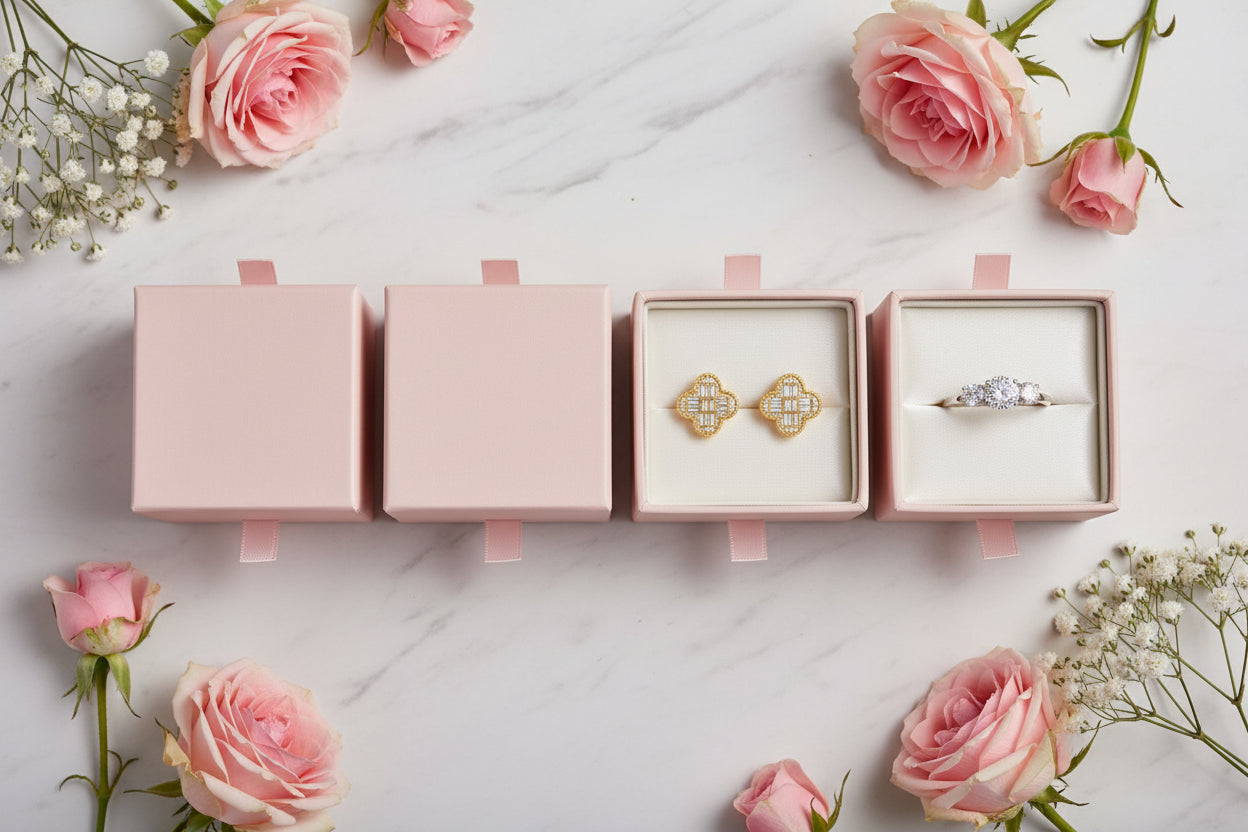
At CSShop, we curate jewelry and crystals that are easy to care for and lovely to keep. Our build-your-own box of four sterling silver and gold plated pieces is a simple way to start a collection with storage in mind. Every piece ships with care in mind, so it arrives ready to store well. If you like a little surprise in your collection, our Jewelry Mystery Boxes are an easy way to add new pieces to your rotation.
Explore our full range of jewelry and crystals at CSShop and give your collection the space it deserves. Search our shop to find your next favorite piece.
Your jewelry deserves better than a crowded drawer. At CSShop, we make it easy to build a collection you'll want to protect, with carefully curated jewelry and crystals, thoughtful pieces, and fast delivery. Start with a set that fits your style, then store it right. Get started with CSShop and keep every piece looking its best.
Frequently Asked Questions
Is it okay to store jewelry in ziploc bags?
Standard plastic bags trap moisture and can rub against metal edges, so they are a short-term fix at best. If you need a quick solution, use a soft pouch or an anti-tarnish bag instead. For everyday jewelry storage at home, a lined box with separate compartments keeps pieces from touching and limits the humidity that speeds up tarnish.
How do you store jewelry to prevent tarnish?
Keep pieces dry, dark, and separated. Silver and gold-plated jewelry tarnish faster when exposed to humidity, so store them in a cool, dry place away from bathrooms. Add anti-tarnish strips or silica gel to your box, seal chains in anti-tarnish bags, and wipe pieces with a soft cloth before putting them away so skin oils do not sit on the surface.
What is a practical way to store jewelry at home?
Start with a compartment organizer or storage tray lined in velvet, felt, or suede. Give rings and earrings their own slots, hang or coil necklaces so chains do not tangle, and keep the box in a dry, dark spot. A small labeled tray for everyday pieces plus a larger box for the rest makes daily use easier and reduces the handling that causes scratches.
How should you store jewelry to prevent scratching long term?
Separate every piece so metals never touch, and choose soft, non-abrasive linings such as velvet or suede over hard plastic. Store harder stones away from softer ones, keep pearl-like and plated pieces in their own pouches, and check your box every few months for worn lining. A consistent jewelry storage routine is what keeps finishes and gemstones free of fine scratches over the years.