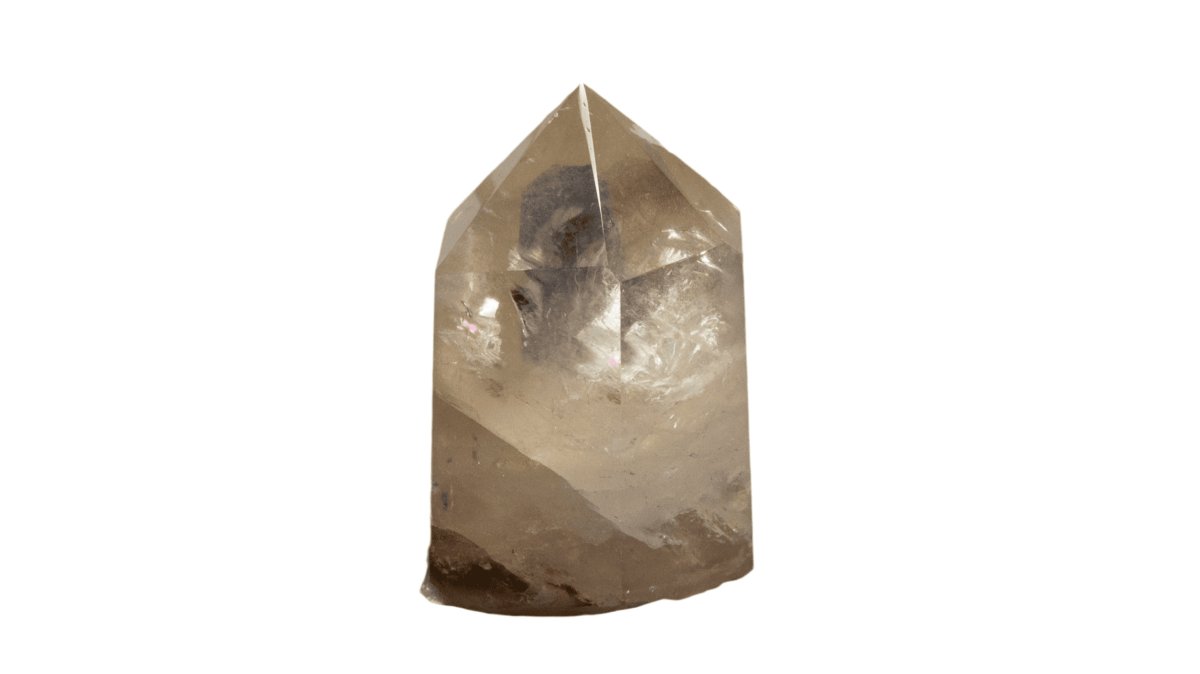
9 Crystals That Can't Handle Salt Water Cleansing
Last Updated: November 14, 2026
Quick Summary
Salt water cleanses are not safe for every crystal. Soft, porous, or reactive stones such as selenite, opal, pyrite, and turquoise can be dulled, etched, or cracked by salt and water. Identify each stone first and use a dry method when you are unsure.
- Selenite, with a Mohs hardness of 2, dissolves in water and is eroded by salt.
- Opal contains water in its structure and can craze and crack when salt draws moisture out.
- Keep any salt soak short and never leave a stone in salt water overnight.
- Dry, thoroughly air-dry stones for at least 24 hours after any water exposure.
- When you cannot identify a stone with confidence, treat it as porous and use a dry cleansing method.
Table of Contents
- Are Salt Water Cleanses Safe for Crystals?
- Crystals That Cannot Go in Water or Salt
- What Crystals Should Not Be Cleaned With Water
- How Long to Leave Crystals in Salt Water
- How to Cleanse Crystals Without Water
- Physical Cleaning Versus Spiritual Cleansing
- Choosing a Safe Cleansing Method for Your Collection
- Frequently Asked Questions
Are Salt Water Cleanses Safe for Crystals?
Salt water cleanses are not safe for every crystal. Many popular stones are soft, porous, or reactive, and salt can dull, etch, or crack them over time. The safest approach is to check each stone before you soak it.
A sturdy quartz and a soft selenite can look alike on a shelf but react very differently to water.
Crystals That Cannot Go in Water or Salt
Some stones should never touch water or salt. Others can handle a quick rinse but not a long soak. The difference comes down to three measurable properties: hardness on the Mohs scale, porosity (how readily a stone absorbs liquid), and solubility (whether the mineral itself dissolves). Salt adds a fourth problem, because salt crystals are abrasive and salt residue draws moisture into cracks.
Here is a practical reference. "Water risk" and "salt risk" are listed separately because a stone can survive a rinse and still fail a soak.
| Stone | Mohs hardness | Water risk | Salt risk | Safer method |
|---|---|---|---|---|
| Selenite | 2 | Dissolves and pits | Scratched and eroded | Dry cloth, smoke, sound |
| Opal | 5.5-6.5 | Contains water; can craze and crack | Salt draws moisture out | Dry cloth, moonlight |
| Pyrite | 6-6.5 | Corrodes and oxidizes | Salt accelerates rust | Dry brush, sound |
| Malachite | 3.5-4 | Porous; can stain | Salt abrades the surface | Dry cloth, smoke |
| Calcite | 3 | Etches, especially with acids | Salt dulls the polish | Dry cloth, moonlight |
| Lapis lazuli | 5-6 | Dye and treatments can bleed | Salt lifts filler | Dry cloth only |
| Turquoise | 5-6 | Porous; often stabilized | Salt damages stabilizer | Dry cloth only |
| Hematite | 5-6.5 | Rusts when wet | Salt speeds corrosion | Dry cloth, sound |
| Howlite and dyed stones | 3.5 | Dye runs | Salt fades dye | Dry cloth only |
| Halite (rock salt) | 2.5 | Dissolves outright | Dissolves outright | Dry methods only |
Mohs hardness
A few patterns explain most of the table. Stones at Mohs 3 or below, such as selenite and calcite, are soft enough that salt grains scratch them during handling. Porous stones, including turquoise and malachite, wick water into the body of the stone, and trapped moisture can crack the piece as it dries. Stones that contain water in their structure, like opal, lose that water to salt and can craze. Metal-bearing stones such as pyrite and hematite oxidize, and salt speeds the reaction.
Watch out: a polished tumbled stone and a raw specimen of the same mineral can behave differently, because the polished surface resists water while raw cleavage faces absorb it.
The risk depends on the specific stone, so always confirm what you own before you cleanse it. If you cannot identify the stone with confidence, treat it as porous and soft and use a dry method.
What Crystals Should Not Be Cleaned With Water
Water is not only a concern for soaking. Even a quick rinse can harm certain stones and the metal settings that hold them. Avoid running water on:
- Stones with coatings, dyes, or resin fillers
- Stones set in silver, brass, or other metal that can tarnish
- Porous stones that can absorb moisture and crack as they dry
- Pieces you cannot identify with confidence
If you are not sure what a stone is made of, skip the water and use a dry method instead.
How Long to Leave Crystals in Salt Water
For stones that can safely handle salt water, keep the soak short. Many guides suggest a few minutes to an hour, but there is no universal rule, and the clock matters less than what happens after you pull the stone out. Salt left on a surface keeps drawing moisture from the air, and repeated wet-dry cycles are what crack porous stones and corrode metal settings.
Follow these steps for a safer soak:
- Dissolve a small pinch of sea salt in a clean bowl of fresh water.
- Place only one stone in the bowl at a time so you can track which piece reacted.
- Check the stone after a few minutes. Lift it out and look for dulling, a chalky film, or color on the paper towel.
- Remove it, rinse it with clean water, and dry it thoroughly with a soft cloth. Pay attention to drill holes, prongs, and crevices where salt collects.
- Let the stone air-dry completely before storing it, ideally overnight in a dry room.
Never leave a stone in salt water overnight, and never soak stones on the avoid list above.
What to Do After Accidental Salt-Water Exposure
If a stone was soaked longer than intended, or a piece you were unsure about got wet, act quickly rather than waiting to see what happens.
- Rinse immediately with clean, room-temperature water to lift salt off the surface. Skip this step for stones that dissolve in water, such as selenite and halite; brush them dry instead.
- Blot, do not rub, with a soft lint-free cloth. Rubbing while the surface is soft can smear dye or scratch a softened layer.
- Dry fully in open air for at least 24 hours, away from direct heat. A hair dryer or radiator can crack a stone that absorbed water.
- Inspect for damage: look for a white haze, fine cracks, a chalky feel, color bleeding onto the cloth, or rust at the base of a setting.
- Check the metal. Silver, brass, and plated settings can tarnish or pit after salt exposure. Wipe them dry and store the piece separately from other jewelry until you confirm the finish is intact.
Watch out: a stone that looks fine while wet can develop a hairline crack as it dries, so recheck it a day or two after the exposure before you wear or display it again.
Salt Residue and Long-Term Effects
Even a stone that tolerates salt water can suffer from repeated exposure. Salt residue is hygroscopic, meaning it pulls moisture from the air, so a piece stored in a humid spot keeps a thin film of moisture against the stone and any metal it touches. Over months, that shows up as dulled polish, corrosion around prongs and bezels, and loosened adhesive on doublets or filled stones. If you cleanse with salt water regularly, rinse longer than you think you need to and store the piece with a desiccant packet in a dry area.
How to Cleanse Crystals Without Water
Many people prefer dry methods, and they are often the safest choice for delicate or uncertain stones. You can try:
- Smoke cleansing: Pass the stone through sage or palo santo smoke.
- Moonlight: Leave the stone under the moon for a night.
- Sunlight: Use gentle, indirect light for short periods, since some stones fade.
- Sound: Use a bell or singing bowl near the stone.
- Dry salt: Bury the stone in dry sea salt for a few hours. Brush it off afterward.
Physical Cleaning Versus Spiritual Cleansing
It helps to separate two different goals. Physical cleaning removes dust, oil, and grime so the stone looks good and lasts longer. For practical day-to-day care tips, see everyday crystal jewelry care and cleaning tips. Spiritual cleansing is a personal practice tied to beliefs about energy. Water can serve either purpose, but the physical effects are measurable and the spiritual ones are not.
For everyday care, a soft dry cloth handles most dust and fingerprints. Save water and salt for stones you know can handle them, and treat spiritual cleansing as a personal choice rather than a physical requirement.
Choosing a Safe Cleansing Method for Your Collection
Before you cleanse any crystal, ask three questions:
- Do I know what this stone is?
- Is it sealed, dyed, or set in metal?
- Can it handle water, salt, or both?
If you answer "no" to any of these, choose a dry method. When in doubt, a gentle wipe with a dry cloth is always a safe first step.
Our collections include polished crystals, natural stone pieces, and jewelry mystery boxes. Browse our full range at csshop.com.
Frequently Asked Questions
Can I cleanse crystals with salt water?
Some crystals tolerate a brief salt water rinse, but many do not. Salt is more abrasive than many people expect, and it can dull polish, etch surfaces or dissolve softer minerals. Water-soluble stones such as selenite and many opals should never be soaked. Before using any liquid, check the stone's hardness and whether it is treated or dyed. When in doubt, choose a dry method such as smoke, sound, or placing the piece on a bed of dry sea salt or on a cloth away from direct contact.
How long should I leave my crystals in salt water?
No single duration is safe for every crystal. For the few stones that can tolerate water, a short rinse of a minute or two is far gentler than a long soak. Prolonged soaking increases the risk of surface damage, residue buildup and loosened settings in jewelry. Always rinse with fresh water afterward, dry the piece thoroughly with a soft cloth, and avoid soaking any piece with glue, foil backing or mixed materials.
What crystals should not be cleaned with water?
Water-soluble and water-sensitive minerals should be kept away from liquids entirely. Selenite dissolves in water, and many opals, pyrite and other soft or porous stones can crack, discolor or corrode. Dyed, coated or treated stones may lose their finish. If you cannot identify a stone, treat it as water-sensitive and use a dry cleansing method until you know what it is.
What is the safest way to cleanse a crystal I cannot identify?
Use a dry, low-risk method. Smoke cleansing, sound, or placing the stone near natural light for a short period avoids direct contact with liquids and salt. Gently wipe away dust with a soft, dry cloth. Avoid harsh chemicals and ultrasonic cleaners. If the stone is valuable or part of a piece of jewelry, consult a gemologist before trying any wet method.