 How-to
Everyday Crystal Jewelry Care and Cleaning Tips
Table of Contents
- Why Everyday Crystal Jewelry Care Matters
- How to Clean Crystal Jewelry: Step-by-Step
- Cleaning Crystals with Water: Which Stones Are Safe
- How to Clean Beaded Necklaces Without Damaging the String
- Crystal Jewelry Storage Tips to Prevent Scratches and Tangles
- Everyday Prevention Habits and Wear Order
- Troubleshooting Tarnish, Discoloration, and Loose Settings
- Conclusion
- Frequently Asked Questions
Last Updated: October 21, 2026
Why Everyday Crystal Jewelry Care Matters
Crystal jewelry care is the set of small daily habits that keep natural stones bright, settings tight, and stringing strong. Skip those habits, and even a well-made piece starts to look dull within months. At CSShop, we curate natural stone pieces meant to be worn often, not locked away, so we care a lot about what happens after the box opens.
Here is the core idea most guides miss: you are not just cleaning a stone. You are cleaning a stone plus a metal setting, a clasp, or a string. Each part has different needs.
- Stones can scratch, fade, or absorb water.
- Metal settings can tarnish or loosen.
- Stringing can stretch or rot when it stays wet.
Treat all three, and your pieces last. Treat only the stone, and the hardware fails first.
How to Clean Crystal Jewelry: Step-by-Step
Cleaning crystal jewelry takes about five minutes with tools you likely already own. The method below works for most hard stones set in sterling silver or gold plating.
Gather Your Gentle Cleaning Tools
Skip anything labeled abrasive. You need:
- A soft microfiber cloth
- A soft-bristled brush, like a clean baby toothbrush
- Mild dish soap with no dyes or grit
- A small bowl of lukewarm water
- A dry towel for patting
Avoid harsh chemicals, bleach, ammonia, and whitening toothpaste. They strip plating and dull polished stone.
The Lukewarm Water and Mild Soap Method
- Add one drop of mild dish soap to the bowl of lukewarm water.
- Dip the soft brush and gently scrub the stone and setting. Use light circles.
- Do not submerge beaded or strung pieces. Hold them so only the stone touches water.
- Rinse the stone with a damp cloth, not running water.
- Pat dry with the microfiber cloth. Let the piece air dry fully before storing.
Polish with a dry microfiber cloth at the end. That final buff is what restores sparkle.
Cleaning Crystals with Water: Which Stones Are Safe
Not every crystal should meet water. This is the single biggest source of damage in crystal jewelry care, and most care guides gloss over it with a vague "be careful." A stone-by-stone reference is far more useful, so use the chart below before you clean anything.
Water-Safety Reference by Stone
| Stone | Water tolerance | Safe everyday method | Why |
|---|---|---|---|
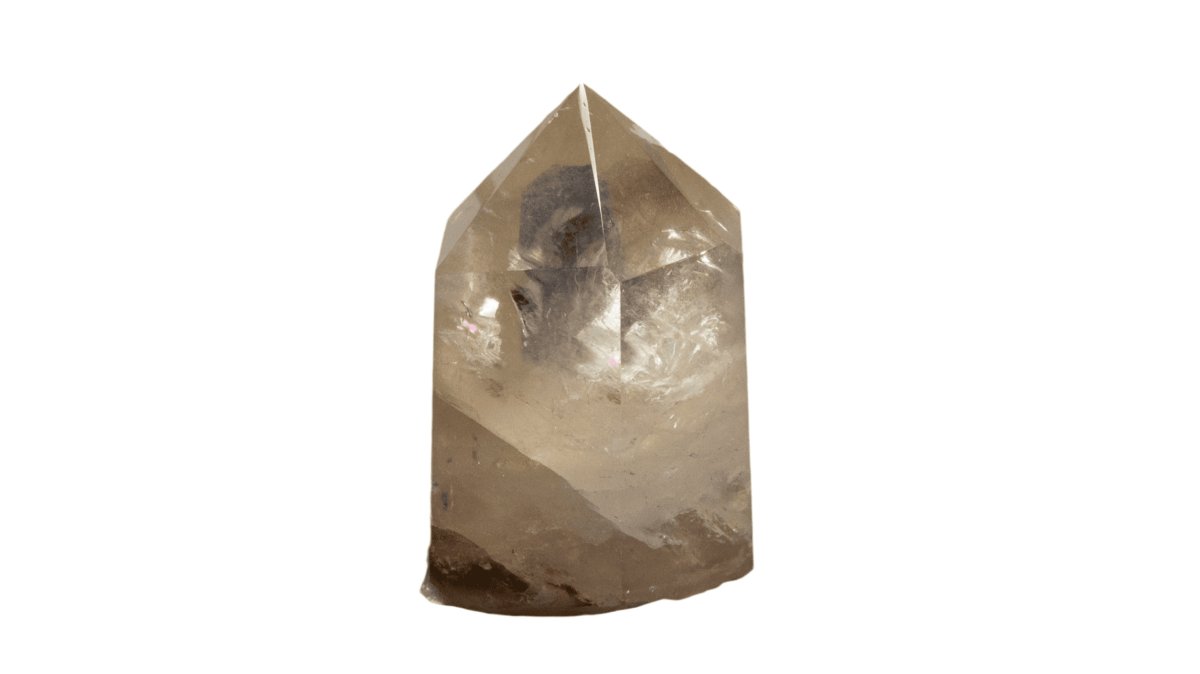
| Clear quartz, rose quartz, smoky quartz | High | Quick lukewarm wash with mild soap, pat dry | Hard (7 on Mohs), non-porous, stable |
| Amethyst | High | Quick lukewarm wash, avoid prolonged soaking | Hard (7), but prolonged heat and sun can fade color |
| Citrine | High | Quick lukewarm wash, pat dry | Hard (7), stable when not overheated |
| Garnet | Moderate | Damp cloth wipe, dry immediately | Hard (6.5-7.5) but some varieties are brittle |
| Turquoise | Low | Dry microfiber cloth only | Porous; absorbs water, oils, and dyes and can discolor |
| Malachite | Low | Dry cloth only; never soak | Porous and soft (3.5-4); water and acids damage the surface |
| Opal | Low | Dry cloth only; avoid heat | Contains water; can crack or craze with rapid moisture and temperature change |
| Selenite | None | Dry cloth only; keep away from all moisture | Very soft (2); water dissolves and pits the surface |
| Fluorite | Low | Dry cloth only | Soft (4); scratches and can be affected by water and heat |
| Lapis lazuli | Low | Dry cloth only | Porous; water and chemicals dull the surface |
| Moonstone | Moderate | Damp cloth wipe, dry immediately | Hard (6-6.5) but can be sensitive to prolonged moisture and heat |
| Pearl | None | Soft dry cloth only; never soak | Organic and porous; water, perfume, and acids degrade the nacre |
Treat the chart as a starting point, not a guarantee. Treatments, coatings, and inclusions can change how a specific piece behaves, so when in doubt, clean dry.
Water-Safe vs. Water-Sensitive Crystals
Water-safe stones are hard, non-porous, and stable. Quartz-family stones, including amethyst and citrine, generally handle a quick lukewarm wash well.
Water-sensitive stones need a dry approach:
- Porous stones like turquoise, malachite, lapis lazuli, and opal can absorb water and change color.
- Soft stones like selenite and fluorite scratch easily and may dissolve or pit.
- Organic materials like pearl and amber can degrade with water, perfume, and acids.
- Stones with inclusions or coatings can cloud or flake.
For these, dust with a dry microfiber cloth and stop there.
A Quick Hardness Check Before You Wash
The Mohs hardness scale ranks minerals from 1 (talc) to 10 (diamond). As a rule of thumb, stones below about 5 on the scale are safer cleaned dry. Anything that scratches glass is usually fine for a quick wash.
Hardness alone is not the whole story, though. A stone can be hard and still be water-sensitive because of porosity or treatment. Pair the hardness check with the chart above, and if you are unsure of a stone, treat it as water-sensitive. A dry polish never hurts.
How to Clean Beaded Necklaces Without Damaging the String
The string is the weak point on any beaded necklace. Water, sweat, and repeated stretching wear it out long before the stones show age.
Here is how to clean beaded necklaces safely:
- Lay the necklace flat on a towel.
- Dampen a microfiber cloth with plain water, no soap.
- Wipe each bead gently. Do not pull or twist.
- Dry immediately with a second cloth.
- Store flat or hang loosely, never coiled tight.
Skip soaking entirely. Silk and elastic both hold moisture, and trapped water weakens them from the inside.
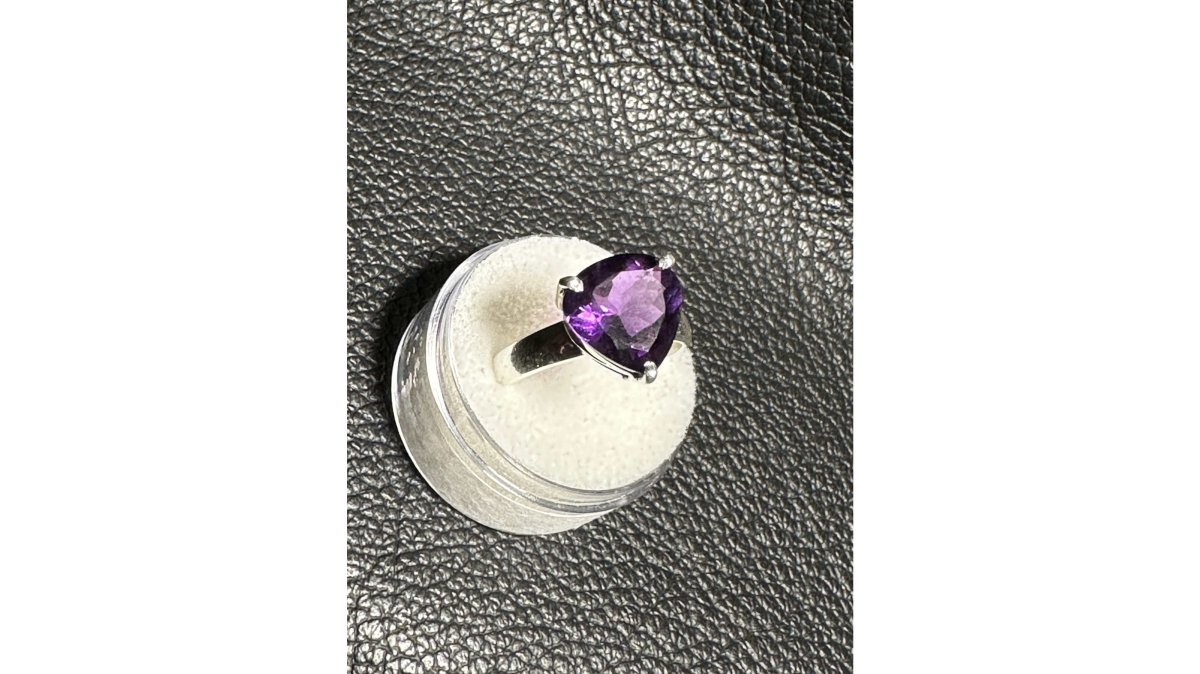
Amethyst Ring Size 8 - "Royal Queen" →
Check the string every few months. If it feels stiff, fuzzy, or stretched, restring before it snaps.
Crystal Jewelry Storage Tips to Prevent Scratches and Tangles
Storage decides how long a piece stays scratch-free. The mechanism is simple: hard stones scratch softer ones, chains tangle when they share space, and moisture and air speed up tarnish on metal. Address all three and your pieces stay wearable far longer.
Separate by Hardness, Not Just by Piece
Store each piece in its own soft pouch or lined box, but also group by hardness. A quartz piece (7 on Mohs) stored loose against a pearl or an opal will scratch the softer stone over time, even with gentle handling. Keep harder stones in one compartment and softer, porous, or organic pieces in another.
Handle Metal and Stringing Separately
- Sterling silver and gold-plated settings tarnish faster when exposed to air and humidity. A tarnish-resistant pouch or a lined box with a tight lid slows this down.
- Fasten clasps before storing to prevent snags and to keep chains from working loose.
- Hang chains to stop tangling; if you must store them flat, lay them straight rather than coiled.
- Store beaded and strung pieces flat or hang them loosely, never coiled tight, so silk and elastic are not under constant tension.
Control Light, Heat, and Moisture
Keep pieces out of direct sunlight, which can fade some stones such as amethyst and citrine over time. Avoid storing jewelry in a bathroom, where steam and humidity accelerate tarnish and can affect porous stones. A simple jewelry tray with separate compartments solves most of this, and it makes your morning routine faster.
Everyday Prevention Habits and Wear Order
The best crystal jewelry care happens before you leave the house. A few habits prevent most damage.
Wear order matters. Put jewelry on last, after lotion, perfume, and hairspray. Take it off first when you get home. This keeps residue off the stone and metal.
- Remove rings before washing dishes or gardening.
- Take off bracelets before the gym or shower.
- Wipe pieces with a dry cloth after a hot day.
- Rotate your pieces so no single item takes daily wear.
Troubleshooting Tarnish, Discoloration, and Loose Settings
Some problems have simple fixes. Others need a jeweler.
Tarnish on sterling silver is normal and comes off with a silver polishing cloth. Do not use dips on pieces with porous stones.
Discoloration on the stone itself usually means water or chemical exposure. Once a porous stone absorbs a stain, it rarely comes out. Prevention is the only real fix.
Loose settings show up as a rattling stone or a prong that catches on cloth. Stop wearing the piece and have a jeweler tighten it. A lost stone costs far more than a quick repair.
Dull sparkle after cleaning often means residue is still there. Rinse with a damp cloth once more, then buff dry.
For deeper guidance on caring for gemstone and silver pieces, the Gemological Institute of America's gemstone care guide is a solid reference. The American Gem Society also covers safe cleaning by stone type.
Conclusion
Crystal jewelry rewards consistency more than effort. Five minutes of gentle cleaning, smart storage, and a wear-order habit will keep natural stones and their settings looking new for years. Our curated pieces at CSShop are chosen to be worn and loved every day, from the Amethyst Ring "Royal Queen" in sterling silver to the Purple Amethyst Teardrop Necklace. If you like discovering new stones to care for, our Jewelry Mystery Boxes are a fun way to add a surprise piece to your collection. Browse our full collection at csshop.shop and find a piece worth caring for.


Frequently Asked Questions
What is the best thing to clean crystal jewelry with at home?
Lukewarm water with a drop of mild dish soap is the safest at-home option for most crystal jewelry. Use a soft microfiber cloth or a soft-bristled brush, like a soft toothbrush, to lift dust and residue without scratching the stone. Avoid abrasive cleaners, harsh chemicals, and vinegar on porous or treated stones. Pat the piece dry and polish it with a clean cloth. For water-sensitive crystals, skip the soak and wipe with a barely damp cloth instead.
Can crystal jewelry be cleaned with water?
It depends on the stone. Hard, non-porous crystals like quartz and amethyst handle a quick lukewarm wash, but water-sensitive stones such as selenite, halite, and malachite should stay dry. Also check the setting: plated metals and glued pieces hate prolonged soaking. When in doubt, wipe with a soft damp cloth rather than submerging the piece. A quick hardness check on the Mohs scale helps you decide before you rinse.
How often should you clean crystal jewelry?
A light wipe after each wear keeps crystal jewelry looking fresh, while a deeper clean every two to four weeks suits pieces worn often. Rings and bracelets collect more residue than necklaces, so clean them more frequently. If you notice dullness, buildup around the setting, or a cloudy film, it is time for a gentle wash. Storing pieces properly between wears cuts down on dust and tarnish, stretching the time between deep cleans.
How should you store crystal jewelry to prevent damage?
Store each piece separately in a soft pouch or a lined jewelry box with compartments. Keep harder stones from rubbing against softer ones, since a Mohs 7 quartz can scratch a Mohs 3 pearl. Fasten clasps and lay necklaces flat to prevent tangles. Keep pieces away from direct sunlight, humidity, and extreme temperature swings. A tarnish-prevention strip in the box helps silver settings stay bright between wears.