 how-to
How to Clean Stainless Steel Jewelry: Care Guide
Table of Contents
- How to Clean Stainless Steel Jewelry
- Stainless Steel Jewelry Care: Daily Habits That Prevent Buildup
- How to Clean Tarnished Jewelry
- What Non-Tarnishing Actually Means for Stainless Steel
- Caring for Plated, Coated, and Gemstone-Set Pieces
- Safe and Unsafe Cleaning Products for Metal Jewelry
- Troubleshooting Persistent Spots, Scratches, and Color Changes
- Conclusion
- Frequently Asked Questions
Last Updated: October 6, 2026
How to Clean Stainless Steel Jewelry
Stainless steel jewelry is one of the easiest metals to keep looking new, and the full cleaning routine takes about five minutes with items you already own.
The core method: warm water, a drop of mild dish soap, a soft cloth, and a soft-bristle toothbrush for the tight spots. That's it.
Here's why this matters.
This guide covers the full routine: daily habits, how to handle tarnish, what "non-tarnishing" really means, and how to care for plated or gemstone-set pieces.
Stainless Steel Jewelry Care: Daily Habits That Prevent Buildup
Prevention beats cleaning every time. Most dull-looking stainless steel jewelry is not damaged, it is coated in a thin film of skin oil, lotion, sunscreen, and dust that traps more of the same. Stop the film from forming and you will rarely need anything more than a dry wipe.
The order of operations matters
Personal care products are the single biggest source of buildup. Lotion, sunscreen, perfume, and hairspray all contain oils and polymers that bond to metal and then grab dust. The fix is sequencing:
- Apply lotion, sunscreen, perfume, and hairspray first, and let them dry completely
- Put jewelry on last, once skin and hair are dry to the touch
- Take rings, necklaces, and bracelets off before showering, swimming, washing dishes, or applying anything to your hands
- Wipe each piece with a dry soft cloth after wearing, before it goes back in storage
That last step takes about ten seconds and removes the day's oil before it can harden. A film left on for weeks cures into a layer that soap alone will not lift.

Storage that actually protects the finish
Stainless steel is harder than gold or silver, which cuts both ways: it resists scratching, but it will scratch softer metals and softer platings it shares space with. Tossing everything into one dish or drawer is the most common mistake.
- Store each piece separately in a soft pouch, a lined box compartment, or a jewelry roll
- Keep clasps closed and chains fastened so they do not tangle and pull
- Avoid humid spots like bathrooms; moisture plus trapped dust is what leaves spots
- Keep pieces away from sinks and drains when you remove them, the leading cause of lost jewelry is a countertop near a drain
- Rotate your pieces so no single item sits unworn and collects weeks of residue
A small soft cloth kept in the jewelry box makes the wipe-and-store habit automatic.
Wear habits that extend the finish
- Remove jewelry before swimming in chlorinated pools or salt water; both attack the surface over repeated exposure
- Take pieces off before cleaning with household chemicals, since splashes and fumes reach the metal
- Avoid wearing rings during tasks that involve grit, like gardening or handling abrasive cleaners
- If you wear a piece daily, give it a quick dry wipe every evening and a full soap-and-water clean about once a week
These habits do not replace cleaning, they reduce how often you need it and how hard you have to work when you do.
How to Clean Tarnished Jewelry
Tarnished stainless steel jewelry usually isn't truly tarnished. Most of the time, what looks like tarnish is a layer of trapped dirt, oil, and product residue sitting on the surface.
Here's the step-by-step routine:
- Fill a small bowl with warm water and add one drop of mild dish soap
- Soak the piece for one to two minutes to loosen buildup
- Dip a soft-bristle toothbrush into the soapy water
- Gently rub the jewelry, working into small crevices and around settings
- Rinse under warm running water until no soap remains
- Dry thoroughly with a soft, lint-free cloth
- Let the piece air dry completely before storing or wearing

Rinsing matters as much as washing. Leftover soap leaves its own dull film, which defeats the purpose.
What Non-Tarnishing Actually Means for Stainless Steel
"Non-tarnishing" does not mean the jewelry will never change appearance. It means the metal itself resists the chemical reaction that turns silver and base metals dark.
Stainless steel gets its resistance from chromium in the alloy. That chromium forms a thin, invisible oxide layer on the surface that blocks the reactions causing tarnish. This is why stainless steel jewelry holds its color far longer than plated pieces.
But here's what most guides miss: discoloration on stainless steel almost always comes from something on the surface, not from the metal itself. Common causes include:
- Soap scum and hard water minerals
- Lotion, sunscreen, and perfume residue
- Skin oils mixed with dust
- Chlorine and salt water exposure
Clean those off and the shine comes right back. The metal underneath was never damaged.
Caring for Plated, Coated, and Gemstone-Set Pieces
Plated and coated jewelry needs a lighter touch than solid stainless steel.
For these pieces, skip the toothbrush. Use a soft cloth, warm water, and a tiny amount of mild soap. Wipe gently, rinse, and dry right away.
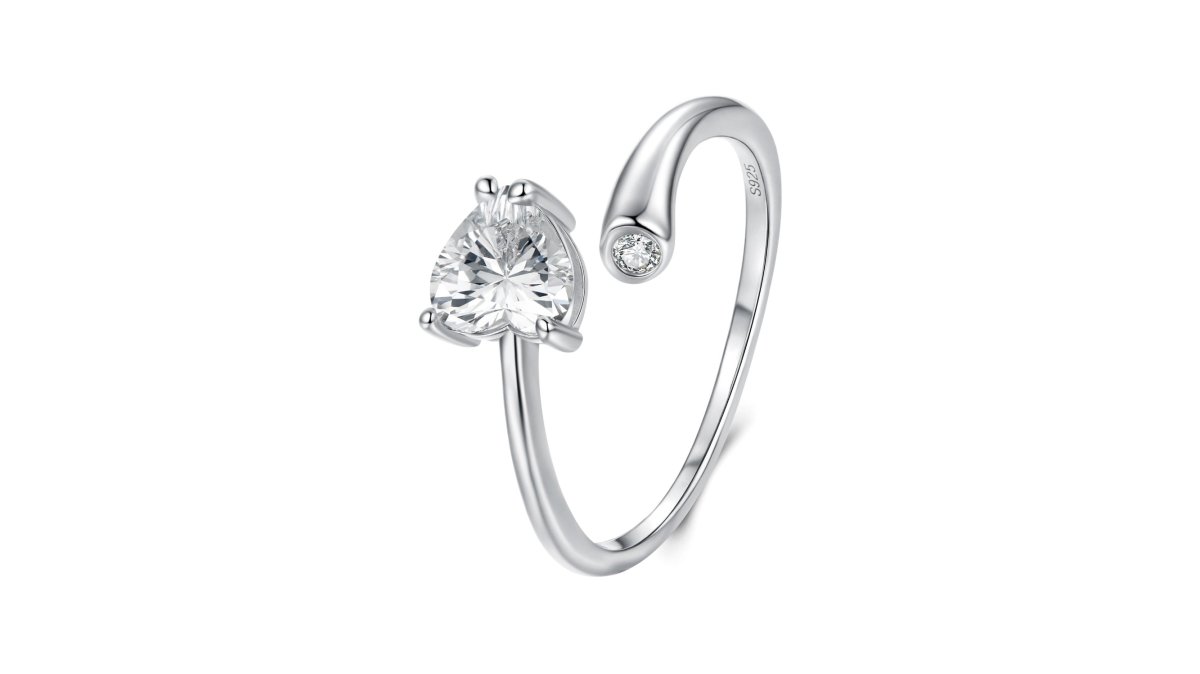
925 Sterling Silver Ring with Pavé Setting CZ, 0.6 cm Width, Style E for Women →
Gemstone-set jewelry adds one more rule: keep water pressure low. A strong stream can work loose a stone over time. Instead, dip the piece and pat it dry with a cloth.
- Solid stainless steel: soap, water, and a soft brush are all safe
- Plated or coated pieces: soft cloth only, no brushing
- Gemstone-set pieces: gentle dips, low water pressure, pat dry
- Mixed-material pieces: treat them as the most delicate part
If you're unsure how a piece is made, always choose the gentler method. It's better to clean a little less aggressively than to strip a finish.
Safe and Unsafe Cleaning Products for Metal Jewelry
Some household cleaners work well on stainless steel jewelry. Others cause real damage that no cleaning can reverse. The difference usually comes down to three things: acidity, abrasiveness, and chlorine. Here is the breakdown, with the reasoning behind each verdict.
| Method | Safe for Stainless Steel? | Why |
|---|---|---|
| Warm water + mild dish soap | Yes | Neutral pH, lifts oil without attacking the surface |
| Soft-bristle toothbrush | Yes | Reaches crevices without scratching polished metal |
| Isopropyl alcohol (70%) | Yes, sparingly | Dissolves stubborn oils; evaporates clean; keep away from gemstones and plated pieces |
| Baking soda paste | Use with care | Mild abrasive; can dull a mirror polish if rubbed hard |
| White vinegar (diluted) | Use with care | Acidic; dissolves hard-water minerals but must be rinsed fully |
| Chlorine bleach | No | Attacks the protective oxide layer and damages settings and platings |
| Chlorinated pool water | Avoid prolonged exposure | Same chemistry as bleach, just slower |
| Abrasive pads or scouring powders | No | Scratch the surface permanently |
| Hot water | No | Can loosen adhesives in stone settings |
| Ultrasonic cleaners | Only for solid metal with no stones or plating | Vibration can shake loose stones and strip plating |
How to use the borderline options safely
Mild dish soap. This is the safest everyday choice. Use a drop or two in a bowl of warm, not hot, water.
Isopropyl alcohol. Good for cutting stubborn skin oil on solid stainless steel.
Baking soda paste. Mix a small amount with water to a thin paste. Rub gently with a fingertip or soft cloth, then rinse thoroughly.
White vinegar. Effective against hard-water spots and soap scum. Dilute it with an equal part of water, dip the piece briefly, a minute or less, then rinse completely and dry.
What to avoid and why
- Chlorine bleach and chlorinated pools. Chlorine attacks the chromium oxide layer that gives stainless steel its resistance. Occasional brief contact is fine; repeated or prolonged exposure dulls the finish and can pit the surface over time.
- Abrasive pads, scouring powders, and steel wool. These scratch the surface permanently. Once scratched, no cleaning brings back the original polish.
- Hot water. Heat softens the adhesives used to set stones. Warm water cleans just as well without the risk.
- Ultrasonic cleaners. Tempting because they are hands-off, but the vibration can loosen stones and strip plating. Use them only on solid stainless steel pieces with no stones and no coating.
One more rule that applies to every product above: rinse fully and dry completely. Residue from any cleaner, even a safe one, leaves its own dull film and defeats the purpose.
Troubleshooting Persistent Spots, Scratches, and Color Changes
If spots won't come off after a proper cleaning, the issue usually isn't dirt. Here's how to tell what you're dealing with.
- White, chalky spots: hard water minerals. Try a vinegar dip, then rinse and dry fully.
- Dull gray film: product residue. Repeat the soap-and-water routine.
- Dark spots that won't lift: likely a reaction with a personal care product. Switch products and clean again.
- Fine scratches: permanent surface wear. Polishing can soften them, but cleaning won't remove them.
- Color change on a plated piece: the plating has worn through. Cleaning can't restore it.
The key distinction is surface versus damage. Residue and minerals sit on top and come off. Scratches and worn plating are changes to the metal itself, and no cleaning method reverses them.
Conclusion
Keeping stainless steel jewelry looking its best comes down to one simple routine: warm water, mild soap, a soft cloth, and a soft brush for the details. Clean gently, rinse fully, and dry completely. Do that, and your pieces will hold their shine for years.
That's the kind of lasting value we build our collection around. If you love the fun of discovering something new, our Jewelry Mystery Boxes are a playful way to add a surprise piece to your rotation.
Ready to find your next favorite piece? Explore our collection and see what catches your eye.
Shop Related Pieces from CSShop
- 925 Sterling Silver Ring with Pavé Setting CZ, 0.6 cm Width, Style E for Women, $53.00
- 925 Sterling Silver Moissanite Ring with 0.15-0.2cm Gems for Women - Size 6, $67.00
- 925 Sterling Silver Pavé Set CZ Ring Size 6.0, $43.00
Visit csshop.shop to browse the full collection.

Frequently Asked Questions
Does toothpaste remove tarnish from stainless steel jewelry?
Toothpaste can remove light surface discoloration, but it contains abrasives that may scratch polished stainless steel over time. For everyday cleaning, warm water with a few drops of mild dish soap and a soft cloth is safer. If you do try toothpaste on a stubborn spot, use a non-gel formula, apply it gently with your fingertip, and rinse thoroughly. Reserve it as a last resort for plain stainless steel only, never for plated, coated, or gemstone-set pieces.
What household items can safely clean stainless steel jewelry?
Warm water, mild dish soap, a soft cloth, and a soft-bristle toothbrush handle most cleaning jobs. For deeper cleaning on plain stainless steel, a paste of baking soda and water or a short soak in white vinegar can lift residue. Isopropyl alcohol works for disinfecting. Avoid bleach, ammonia, chlorine, and abrasive powders, which can dull the finish or damage plating. Always rinse and dry thoroughly after any cleaning method.
How should stainless steel jewelry be cared for day to day?
Take stainless steel jewelry off before showering, swimming, exercising, or applying lotion and perfume. Wipe it with a soft cloth after each wear to remove oils and sweat. Store pieces separately in a dry pouch or lined box to prevent scratches. Once a month, give frequently worn pieces a quick clean with warm water and mild soap. This routine keeps the surface bright and reduces the need for deeper tarnish removal.
Can rust stains be removed from stainless steel jewelry?
Stainless steel resists rust but is not rust-proof. Surface rust spots often come from contact with iron particles or prolonged moisture. A paste of baking soda and water, applied gently with a soft cloth, can lift light surface rust on plain stainless steel. For heavier rust or rust on plated pieces, cleaning at home risks further damage. If a piece is plated or gemstone-set, a jeweler is the safer option.