
 how-to
How to Clean and Care for Gold-Filled Jewelry
Table of Contents
- Understanding Gold-Filled Jewelry and Why Care Matters
- How to Clean Gold-Filled Jewelry: A Step-by-Step Method
- Can You Shower with Gold-Filled Jewelry
- Gold-Filled Jewelry Storage and Prevention
- How Long Does Gold-Filled Jewelry Last
- Common Mistakes to Avoid
- Dealing with Tarnish and Heavy Buildup
- Discover More Gold-Filled Treasures at CSShop
- Frequently Asked Questions
Last Updated: October 4, 2026
Understanding Gold-Filled Jewelry and Why Care Matters
Gold-filled jewelry is a layered metal construction where a thick layer of gold is bonded to a base metal core, typically brass or sterling silver. This construction makes it more durable than gold-plated pieces while remaining affordable compared to solid gold.
The key difference matters: gold-filled has much more gold than plating, so it resists tarnishing and wear far better. However, it still needs gentle handling to preserve that lustrous finish.
Many people worry their jewelry will turn green or tarnish quickly. The good news is that gold-filled pieces are much more resistant to this than cheaper alternatives. With the right care routine, your pieces stay beautiful through daily wear.
How to Clean Gold-Filled Jewelry: A Step-by-Step Method
Learning how to clean and care for gold filled jewelry doesn't require expensive products or complicated steps. A simple routine keeps your pieces looking fresh and prevents buildup that can dull the finish. We recommend doing this every 2-4 weeks depending on how often you wear your pieces.

What You'll Need Before You Start
Gather these items before you begin:
- Mild dish soap (gentle, unscented works best, brands like Dawn or similar work perfectly)
- Lukewarm water (around 85-95°F, warm to the touch but not hot)
- Soft cloth (microfiber, cotton, or lens cloth)
- Soft toothbrush (optional, for detailed areas, use a child's toothbrush or dedicated jewelry brush)
- Small bowl or cup (ceramic or glass preferred)
- Dry towel for final drying
That's it. You don't need specialized jewelry cleaners or expensive solutions. Simple household items work perfectly for routine cleaning of gold-filled jewelry.
The Cleaning Process
Step 1: Prepare Your Cleaning Solution
Fill a small bowl with lukewarm water. Add 2-3 drops of mild dish soap and stir gently.
Step 2: Soak Your Jewelry
Place your gold-filled pieces in the soapy water. Let them sit for 5-10 minutes for routine cleaning.
Important: If your piece contains pearls, opals, or other porous gemstones, limit soaking to 2-3 minutes maximum.
Step 3: Gentle Scrubbing
Use your soft cloth to gently wipe each piece. Pay special attention to crevices where residue collects.
For pieces with gemstones: Avoid brushing directly on the stone itself.
Step 4: Rinse Thoroughly
Hold your jewelry under lukewarm running water. Rinse until all soap is gone. Any leftover soap can leave a film that dulls the finish.
Drying and Polishing
Pat your jewelry dry immediately with a clean, soft cloth. Don't let it air dry, as water spots can form. For the final polish, use a microfiber cloth or soft cotton cloth to gently buff each piece until it shines. Pay extra attention to any crevices where water may have pooled.
Gold-Filled vs. Gold-Plated vs. Solid Gold: Why Care Differs
Understanding the material helps you clean safely. Gold-filled has a thick layer of gold bonded to a base metal core, typically 5% to 10% gold by weight.
Because gold-filled has more gold, it tolerates gentle cleaning and occasional water exposure better than plating. However, it still requires care to avoid exposing the base metal underneath.
The key difference: never use the same cleaning method for all three. Gold-plated pieces should avoid soaking entirely and be cleaned only with a soft, dry cloth or very brief dampening. Solid gold can soak for 10-15 minutes without concern.
Can You Shower with Gold-Filled Jewelry
You can shower with gold-filled jewelry, but it's not ideal for daily routine. Frequent exposure to water, soap, and temperature changes can gradually affect the finish.
Chlorine and salt water are harder on gold-filled than fresh water. If you swim, remove your jewelry first. Chlorine can accelerate tarnishing and damage the gold layer over time.
The real issue isn't one shower, it's repeated exposure without proper drying. If you wear your gold-filled pieces in the shower regularly, dry them thoroughly each time to prevent water spots and buildup.
Gold-Filled Jewelry Storage and Prevention
How you store your pieces between wears matters as much as how you clean them. Proper storage prevents tarnish and keeps your jewelry ready to wear whenever you want.
Store gold-filled jewelry in a cool, dry place away from direct sunlight. A jewelry box, drawer, or small pouch works perfectly. Keep pieces separate so they don't scratch each other.
Best storage practices:
- Use individual pouches or compartments for each piece
- Store in a dark, cool location (not the bathroom, where humidity is high)
- Keep pieces flat or hang them from hooks to prevent bending
- Avoid plastic bags, which trap moisture and can cause tarnish
- Store away from direct heat or sunlight, which can fade the finish
Humidity is the enemy of gold-filled jewelry. Bathrooms and damp basements accelerate tarnishing. A bedroom closet or dresser drawer is ideal. If you live in a very humid climate, consider adding a small silica gel packet to your storage container to absorb moisture.
How Long Does Gold-Filled Jewelry Last
Gold-filled jewelry typically lasts 10-30 years with proper care, making it a durable choice for everyday wear. The lifespan depends on how often you wear it, how well you care for it, and the quality of the piece itself.
Pieces you wear daily will show wear sooner than pieces worn occasionally. Regular cleaning and proper storage extend the life significantly.
The gold layer on quality gold-filled jewelry is thick enough that it won't wear through quickly. Unlike gold-plated pieces, which can show base metal within months, gold-filled maintains its appearance for years.
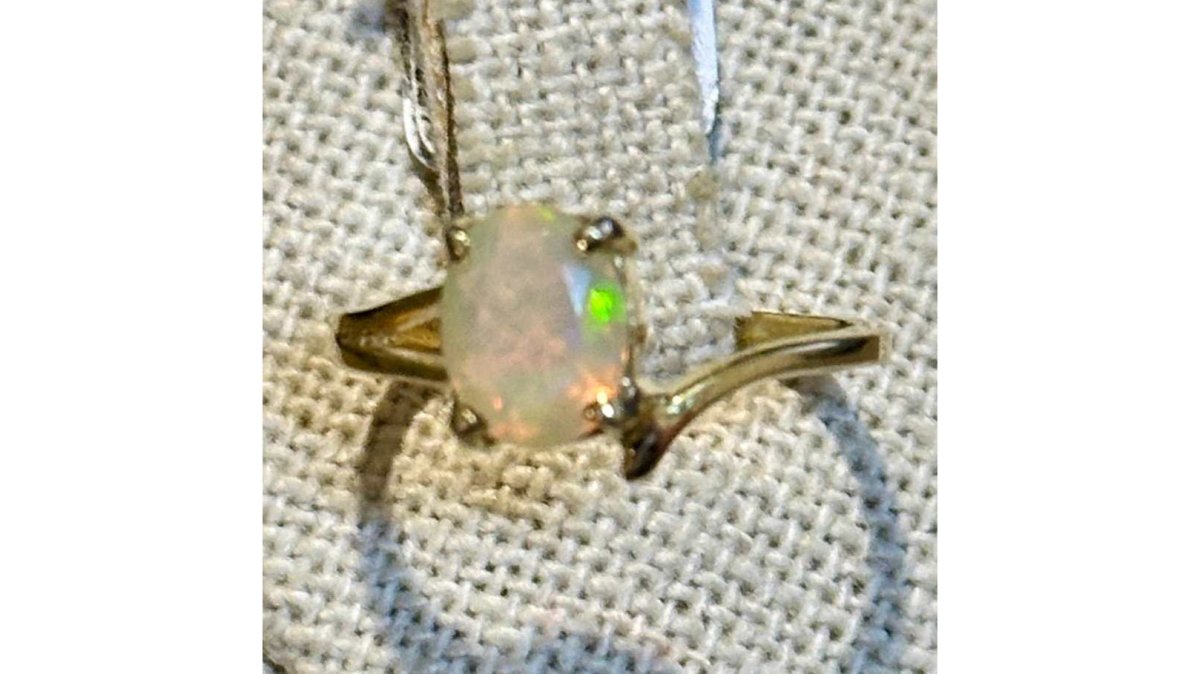
Ethiopian Opal Oval Modern-Split Ring – Gold Filled – Size 6 →
Common Mistakes to Avoid
Understanding what damages gold-filled jewelry helps you protect your pieces.
Scrubbing hard or using abrasive cloths: Rough towels and aggressive scrubbing scratch the delicate gold surface.
Leaving jewelry wet: Water spots form when jewelry air-dries. Always pat dry immediately with a soft cloth.
Storing in humid bathrooms: Bathrooms trap moisture that accelerates tarnishing.
Wearing during activities that cause sweat: Sweat and salt buildup can tarnish gold-filled faster.
Exposing to chlorine or salt water: Swimming pools and ocean water damage the gold layer.
Using toothpaste or baking soda: These are abrasive and will scratch the finish.
Dealing with Tarnish and Heavy Buildup
If your gold-filled jewelry has developed tarnish or heavy buildup, the good news is that most cases respond well to home care. However, knowing the difference between routine tarnish and damage that requires professional help will save you time and protect your pieces.
Light Tarnish and Routine Buildup
Light tarnish appears as a dull gray or brownish film on the surface. It's caused by oxidation of the base metal showing through microscopic scratches or by exposure to moisture and air. Most light tarnish responds to the standard cleaning method with one adjustment:
Extended soak method:
- Prepare your cleaning solution as usual (lukewarm water + 2-3 drops mild dish soap).
- Soak the piece for 15-20 minutes instead of 5-10. The longer soak gives the soap time to penetrate and loosen oxidation.
- Use your soft cloth to gently wipe the piece. For stubborn spots, use a soft toothbrush with very light circular motions, do not scrub.
- Rinse thoroughly under lukewarm running water until all soap is gone.
- Dry immediately and completely with a soft cloth.
Repeat this process once if needed. Most light tarnish clears within one or two applications. If tarnish persists after two attempts, move to the next section.
Heavy Buildup and Stubborn Tarnish
Heavy buildup looks like thick discoloration, dark spots that don't come off with gentle wiping, or a crusty or flaking surface. This often results from prolonged exposure to moisture, sweat, or storage in humid conditions.
Two-cycle cleaning approach:
- Complete the extended soak method above (15-20 minute soak, gentle brush, thorough rinse, immediate dry).
- Wait 1-2 hours, then repeat the entire process a second time.
- The first cycle loosens the buildup; the second cycle removes what the first cycle lifted.
Do not increase scrubbing pressure or switch to a harder brush. Patience and repetition work better than force. Aggressive scrubbing risks scratching or wearing through the gold layer.
If buildup still remains after two full cycles, stop and consider professional cleaning. Continuing to scrub at home risks damaging the piece.
When to Seek Professional Cleaning or Repair
Some situations require professional jeweler care. Knowing when to stop home cleaning and seek help protects your investment.
Seek professional help if:
-
Tarnish or buildup doesn't respond after two full cleaning cycles. Persistent discoloration may indicate corrosion of the base metal or a manufacturing defect, not just surface oxidation. A jeweler can assess whether the piece is salvageable and what caused the problem.
-
You see base metal showing through. If the gold layer has worn away and you can see the brass or silver underneath, home cleaning won't restore it. A jeweler can re-plate the piece or advise whether repair is worthwhile.
-
The piece has visible damage, cracks, or loose components. Bent prongs, cracked solder joints, or loose stones need professional repair before cleaning. Cleaning a damaged piece can make the damage worse.
-
The piece contains delicate gemstones (pearls, opals, emeralds, or soft stones) and you're unsure about soaking. If you're nervous about cleaning a valuable or sentimental piece, a professional can clean it safely using specialized methods.
-
The piece is an antique, heirloom, or high-value item. For pieces with sentimental or monetary value, professional cleaning is worth the cost to avoid accidental damage.
-
Adhesive-set stones feel loose or rattle. If a stone moves inside its setting, the adhesive has failed. Soaking or brushing will dislodge it completely. A jeweler can re-set it properly.
What Professional Cleaning Offers
Professional jewelers use ultrasonic cleaners, steam cleaning, specialized polishing compounds, and hand tools that can safely remove stubborn tarnish without damaging the gold layer or gemstones. They can also identify underlying issues, such as corrosion, manufacturing defects, or damage, that home cleaning cannot address. For heavily tarnished or damaged pieces, professional cleaning is often less expensive than replacing the piece.
Discover More Gold-Filled Treasures at CSShop
Proper care keeps your gold-filled jewelry beautiful for years, and starting with quality pieces makes all the difference. At CSShop | Jewelry & Crystals, we curate exceptional gold-filled jewelry designed for everyday wear and lasting beauty. If you're looking to expand your collection with carefully selected pieces, explore our Jewelry Mystery Boxes for a delightful way to discover new favorites while enjoying the quality and craftsmanship you deserve.
Frequently Asked Questions
What is the safest way to clean gold-filled jewelry?
The safest method uses mild soap, lukewarm water, and a soft cloth. Mix a few drops of dish soap into lukewarm water, soak your gold-filled jewelry for 5-10 minutes, gently scrub with a soft toothbrush to remove residue, rinse thoroughly with clean lukewarm water, and pat dry immediately with a microfiber cloth. Avoid harsh chemicals, abrasive cleaners, and ultrasonic machines, which can damage the gold layer.
Can you shower with gold-filled jewelry?
Yes, gold-filled jewelry is water-resistant and safe to wear in the shower. However, frequent exposure to hot water, soap, and shampoo can speed up wear over time. Remove your pieces before showering when possible, and if you do shower with them, rinse thoroughly with lukewarm water and pat dry afterward to prevent water spots and buildup.
How long does gold-filled jewelry last?
Gold-filled jewelry typically lasts with proper care, depending on how often you wear it and how well you maintain it. Daily wear pieces may show thinning sooner, while pieces worn occasionally can last. Proper cleaning, storage, and avoiding harsh chemicals extend the life significantly. Gold-filled is much more durable than gold-plated.
How should you store gold-filled jewelry?
Store gold-filled jewelry in a cool, dry place away from direct sunlight, humidity, and moisture. Use individual pouches or a jewelry box with compartments to prevent pieces from rubbing against each other. Keep items separated to avoid scratches and tangling. Avoid storing in bathrooms where steam and humidity can accelerate tarnish. Consider using anti-tarnish strips or silica gel packets in your storage container for added protection.