 How-to
How to Choose Elegant Affordable Fashion Jewelry for Daily Wear
Table of Contents
- Understand Your Personal Style and Lifestyle Needs
- Best Inexpensive Jewelry for Daily Wear Materials and Durability
- Fashion Jewelry Materials and Quality: What to Look For
- Select Versatile, Timeless Pieces That Work With Multiple Outfits
- How to Care for Fashion Jewelry You Wear Often
- Jewelry Storage and Organization for Easy Everyday Access
- Build Your Everyday Jewelry Collection on a Budget
- Frequently Asked Questions
Last Updated: October 15, 2026
Understand Your Personal Style and Lifestyle Needs
Choosing affordable fashion jewelry starts with knowing yourself: what makes you feel confident, and which colors and metals you gravitate toward.
Your daily activities shape which pieces make sense. A delicate bracelet works for office wear but might snag during a workout, while stud earrings stay put during any activity.

Personal style matters more than trends. If you love minimalist design, lean into simple lines and neutral metals.
Consider your existing collection too. Mixing metals is fine, but pieces that complement what you already own create a cohesive look and stretch your budget further.
Best Inexpensive Jewelry for Daily Wear Materials and Durability
Not all budget jewelry is created equal. The material determines how long your pieces last and how your skin reacts.
Stainless steel is a workhorse material for daily wear. Pieces like the Women's U-shaped Sunflower Stainless Steel Light Luxury Fashion Personality Daily Wear Necklaces offer durability without the premium price tag.

Titanium steel combines strength with affordability.
Gold plating and gold vermeil give you the look of solid gold without the cost.
Sterling silver contains 92.5% pure silver, affordable, classic, and timeless.
Alloy jewelry uses mixed metals to create affordable pieces. Look for nickel-free alloy if you have sensitive skin.
Fashion Jewelry Materials and Quality: What to Look For
Affordability only pays off if the piece survives daily wear. Judge that by reading the spec, not the marketing.
Read the material spec, not the vibe
Base metal. The cheapest tier is brass or zinc alloy. Better budget pieces use stainless steel or titanium, which resist corrosion and hold their finish far longer.
Plating thickness. The single most useful number on a budget piece, and most listings hide it.
Hallmarks and stamps. "925" means sterling silver; "14K" or "18K" means the gold content of a solid gold piece.
The five-point inspection
- Clasp and closure. A lobster clasp with a firm spring and a soldered jump ring holds; a thin wire hook or loose split ring does not.
- Weight and balance. A hollow or top-heavy piece will twist, flip, and catch on things.
- Finish. Run a fingernail along the edges. Rough seams, sharp burrs, and uneven plating are the first places wear appears.
- Stone settings. Prongs should grip the stone with no rattle; glued stones are the first thing to fail.
- Return policy. Your real quality guarantee. Read it before you buy, not after.
Sensitive skin and nickel-free choices
Nickel is the most common metal allergen, and reactions worsen with repeated exposure. The fix is to control what touches your skin.
Safest everyday options:
- Titanium, naturally nickel-free, lightweight, and the usual first choice for piercings and sensitive ears.
- 316L stainless steel, low nickel release and widely used in body jewelry for that reason.
- Niobium, nickel-free and often used for ear wires.
- Sterling silver, generally well tolerated, though it contains trace alloy metals.
- 14K or 18K gold, the higher the karat, the less base alloy, though rose and white gold contain other metals that can still bother some people.
Higher-risk options:
- Unlabeled "alloy" or "fashion metal" pieces, which frequently contain nickel.
- Thin gold plating over a nickel-containing base.
- "Hypoallergenic" as a standalone claim, which has no legal definition and tells you nothing.
How to test a new piece. Wear it for a few hours on a less sensitive area first. If you feel itching, warmth, or redness, stop, each exposure can make the next reaction worse.
What quality actually costs you
A stainless steel or titanium piece often costs a little more up front than a plated alloy piece. For anything you plan to wear several times a week, the durable material is almost always the cheaper choice over a year.
Select Versatile, Timeless Pieces That Work With Multiple Outfits
The secret to stretching a small jewelry budget is choosing pieces that work everywhere.
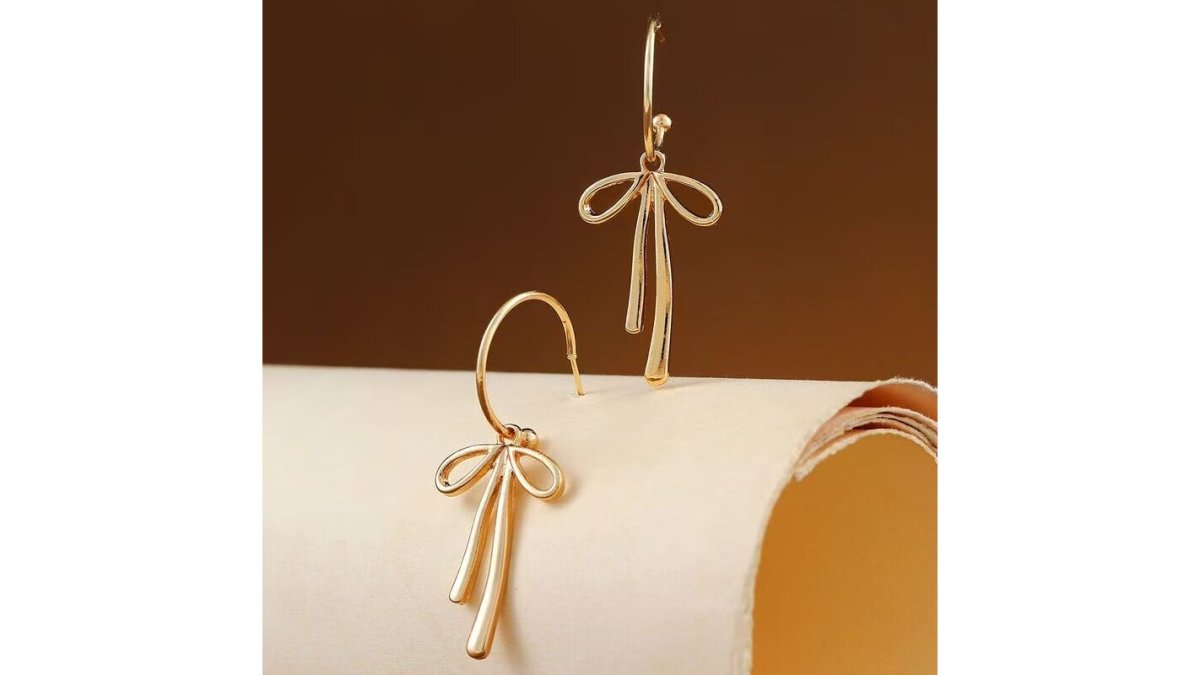
Stud earrings are the foundation. The Women's Style Metal Bow Matte Gold Line Stud Earrings offer affordable elegance for casual weekends and professional meetings alike.
Delicate necklaces in neutral metals layer beautifully.
Minimalist bracelets add polish without overwhelming your wrist.
Simple rings in neutral metals work across contexts.
Avoid trendy pieces if you're building on a budget. A simple geometric design outlasts a novelty shape every time.
The goal is pieces that feel right across work, weekend, casual, and dressy settings.
Women's Style Metal Bow Matte Gold Line Stud Earrings →
How to Care for Fashion Jewelry You Wear Often
Avoid harsh chemicals. Chlorine damages many metals, so remove jewelry before swimming.
Dry completely. Moisture causes tarnishing, so dry pieces thoroughly with a soft cloth after cleaning or showering.
Store properly. Keep jewelry in a dry place away from humidity, like a jewelry box or drawer.
Handle with care. Don't tug on delicate chains or force clasps. Gentle handling extends their life significantly.
Jewelry Storage and Organization for Easy Everyday Access
How you store jewelry affects how often you wear it.
Store necklaces flat or on a small rack. Hanging necklaces prevents tangling and makes them easy to grab.
Keep earrings together. A small dish or earring holder keeps pairs together and makes matching easy.
Keep your everyday pieces accessible. Store the pieces you wear most within arm's reach.
Avoid tangling. Store delicate chains separately from other pieces.
Good storage keeps your pieces in better condition.
Build Your Everyday Jewelry Collection on a Budget
A collection is a spending plan, not a shopping spree. The goal is a small set of pieces that cover most days, so you stop buying one-off items that sit in a drawer.
Start with a five-piece core
These five pieces cover the vast majority of everyday situations:
- One pair of stud earrings in a neutral metal (gold, silver, or pearl)
- One delicate chain necklace in a neutral metal
- One simple bracelet
- One versatile ring
- One slightly dressier piece (a small pendant or a second pair of studs) for evenings and events
Everything after this should earn its place by working with at least three of the pieces you already own.
A cost-per-wear framework
Cost per wear is the price of a piece divided by the number of times you actually wear it, the single most useful number for a budget buyer, because it turns a price tag into a value figure.
- A $30 necklace worn twice a week for a year works out to well under a dollar per wear.
- A $100 necklace worn twice a year stays expensive per wear for a long time.
- A $15 plated piece that tarnishes in two months and gets thrown out costs more per wear than a $60 stainless steel piece worn for years.
The lesson: a slightly higher price on a piece you will wear constantly is usually the cheaper decision. A low price on a piece you will wear twice is not a bargain.
Price tiers and what each one buys
Budget jewelry falls into rough tiers. Know what you get at each level so you can decide where to spend.
- Entry tier (roughly under $25). Plated alloy or thin stainless steel. Fine for a trend piece or something you will wear occasionally, but expect the plating to wear and the clasps to be the weak point. Do not buy this tier for a piece you plan to wear daily.
- Everyday tier (roughly $25 to $75). Solid stainless steel, titanium, or sterling silver, and better-plated pieces with a stated micron thickness. This is where most daily-wear pieces should live, because the material holds up and the cost per wear drops fast.
- Investment tier (roughly $75 and up). Vermeil, heavier plating, or solid sterling silver with better construction. Worth it for a piece you will wear several times a week for years, or for a signature piece.
These are ranges, not rules. Match the tier to how often you will wear the piece, not to the occasion you are buying it for.
Where to spend and where to save
Spend on:
- The piece you wear most often (usually your everyday necklace or studs)
- Anything that touches a piercing or sensitive skin
- Clasps and closures, which fail first
Save on:
- Trend-driven shapes and colors you may not want next season
- Second and third pieces in a category you already cover
- Anything you cannot picture wearing at least twice a week
A quick buying checklist
Before you check out:
- Does the listing state the base metal?
- Is there a hallmark or stamp (925, 316L, titanium)?
- Does the clasp feel secure?
- Is the weight and balance right for daily wear?
- Does it work with at least three pieces you already own?
- Is there a clear return window?
- [ ]
If you cannot answer the first two, you are guessing.
Common pitfalls
- Buying a set you will only partly wear. If you only use two of the five pieces, you paid for three you did not need.
- Chasing a trend at the entry tier. Trend pieces get worn a handful of times, so keep them cheap and expect them to wear out.
- Ignoring the return policy. The return window is your only real protection on a budget piece.
- Replacing instead of upgrading. If the same style of necklace keeps breaking, buy a better material next time, not another replacement.
Track what you actually wear for two weeks. The pieces you reach for most are the ones worth upgrading to a better material. Everything else can stay in the entry tier. If you're looking to discover new pieces that match your style without committing to full purchases, consider exploring Jewelry Mystery Boxes, a fun way to try different styles and find unexpected favorites that fit your everyday collection.
Explore more elegant, affordable jewelry pieces at CSShop | Jewelry & Crystals to build your perfect everyday collection.
Frequently Asked Questions
What is the best inexpensive jewelry for daily wear?
The best inexpensive jewelry for daily wear combines durability with elegance. Look for stainless steel, titanium steel, and gold vermeil pieces that resist tarnishing and discoloration. Stud earrings and simple pendant necklaces in neutral metals work with any outfit and won't snag on clothing. Pieces made from quality materials offer excellent value that withstand frequent wear without fading or turning green.
How can I tell whether fashion jewelry is well made?
Examine the weight and finish of the piece. Well-made fashion jewelry feels substantial, not flimsy. Check for smooth edges and secure clasps. Look at product photos closely for any signs of uneven finish or gaps. Read customer reviews specifically mentioning durability and longevity. Reputable retailers display clear material information (stainless steel, titanium steel, gold vermeil) rather than vague descriptions. Quality pieces maintain their appearance after weeks of daily wear.
How should I care for fashion jewelry I wear often?
Remove jewelry before showering, swimming, or exercising to prevent water damage and corrosion. Store pieces in a dry place away from humidity. Clean gently with a soft cloth after wearing to remove oils and sweat. For stainless steel and titanium, a slightly damp cloth works well. Avoid harsh chemicals and ultrasonic cleaners that can damage plating. Proper storage and regular gentle cleaning extend the life of your pieces significantly and keep them looking elegant longer.
What materials are suitable for everyday wear jewelry?
Stainless steel, titanium steel, and gold vermeil are the most durable choices for daily wear. Stainless steel resists tarnishing and won't turn skin green. Titanium steel is hypoallergenic and extremely durable. Gold vermeil offers the look of solid gold at an affordable price point. Sterling silver requires more maintenance but offers a classic look. Avoid cheap alloys without clear material labeling, as they tarnish quickly and may cause skin irritation. Choose pieces with secure clasps and smooth finishes for comfort during all-day wear.