How Long Do Crystals Take to Work? A Practical Timeline
Last Updated: November 10, 2026
Quick Summary
There is no fixed timeline for how long do crystals take to work, because results depend on how consistently you use the stone. Most people move through three windows: the first few days mostly bring the ritual itself, two to four weeks of regular use begin to form a habit, and after about six weeks patterns become easier to see in a log.
- Expect the first few days to bring mainly the ritual itself, not a noticeable change.
- Give a habit about two to four weeks of regular use before deciding whether to continue.
- Keep a simple log and review it after four to six weeks to judge the practice.
- Commit to a slow-burn stone for its full window instead of judging it after one week.
- Change one variable at a time if you feel no effect after about four weeks.
Table of Contents
- What Crystal Users Can Realistically Expect and When
- How to Use Healing Crystals for the Best Start
- How to Cleanse Crystals Before and During Use
- How Often to Use Crystals for Consistent Results
- How to Know If a Crystal Is Working, and What to Do If It Isn't
- What the Research Says About Crystal Effects and the Placebo Question
- Your Next Step: Choosing a Stone and Starting Your Practice
- Frequently Asked Questions
What Crystal Users Can Realistically Expect and When
Most people who buy healing crystals want to know one thing first: how long do crystals take to work before they notice a difference? The honest answer is that there is no fixed timeline, and the answer depends more on how you use the stone than on the stone itself. Crystal practice is a personal habit, and the changes people report tend to show up in their routines and attention before they show up anywhere else.
A practical way to set expectations is to think in three windows rather than one.
In the first few days, most people notice only the ritual itself. You pick a stone, set an intention, and spend a few minutes with it. Any calm you feel in that first week usually comes from the pause, not the stone.
Between roughly two and four weeks of regular use, a habit starts to take shape. People often describe pausing before they react, or checking in with themselves at a set time each day. This is the window where most users decide whether the practice is worth continuing.
After about six weeks, patterns become easier to see, especially if you have been keeping a simple log. This is the point to look back at what you wrote and judge the practice on your own record rather than on anyone else's report.
Some stones are commonly described as fast-acting, and clear quartz is the usual example, because it is often chosen for clarity and focus and paired with a short daily intention. Other stones are described as slow-burn, and grounding stones such as smoky quartz or hematite are the usual examples, because they are typically associated with steadiness, which tends to build gradually rather than arrive as a sudden shift. These labels come from practitioner tradition, not from controlled testing, so treat them as a way to structure your expectations rather than as a promise. If you want a steadying routine, plan for a longer window, and if you want a focus cue, a shorter one is usually enough to tell whether the habit is landing.
Watch out: judging a slow-burn stone after one week will almost always leave you disappointed, so commit to the full window before deciding it does not suit you.
The timeline below summarises the three windows people typically move through when they start using a crystal regularly.
| Window | What people typically notice | What to do |
|---|---|---|
| First few days | Mostly the ritual itself | Pick a stone and set an intention |
| Two to four weeks | A habit starts to take shape | Decide whether the practice is worth continuing |
| After about six weeks | Patterns become easier to see | Review your log and judge the practice on your own record |
How to Use Healing Crystals for the Best Start
Starting out is simpler than most guides make it sound, and the question of how long do crystals take to work matters less than the habit itself. You need one stone, a clear intention, and a few minutes a day. Choose a stone that matches what you want to focus on, then keep it somewhere you will see it often.
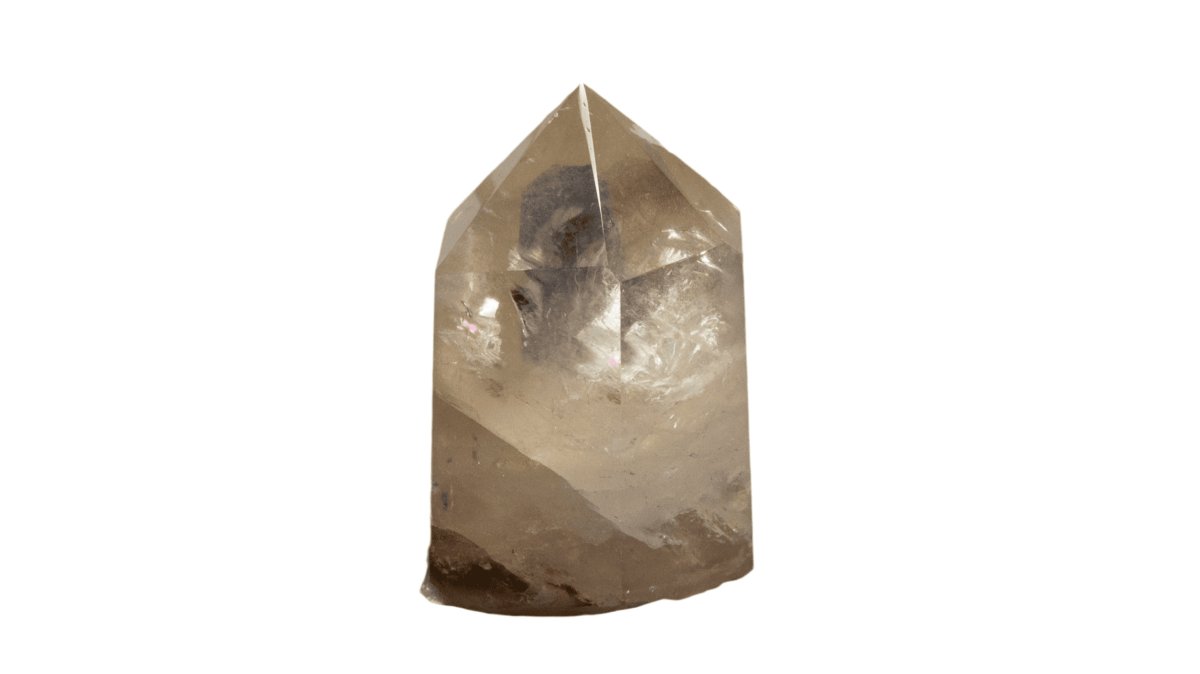
Explore our Smoky Quartz Crystal Tower Phantom Root Chakra Stone, a popular choice for people who want grounding and steady focus while they build a new habit.
Choosing a Crystal for Your Intention
Pick the stone first, then the intention. Many people choose a stone based on color or feel, which is a fine place to start. Ask yourself what you want more of, such as calm, confidence, or focus, and look for a stone that people commonly associate with that goal.
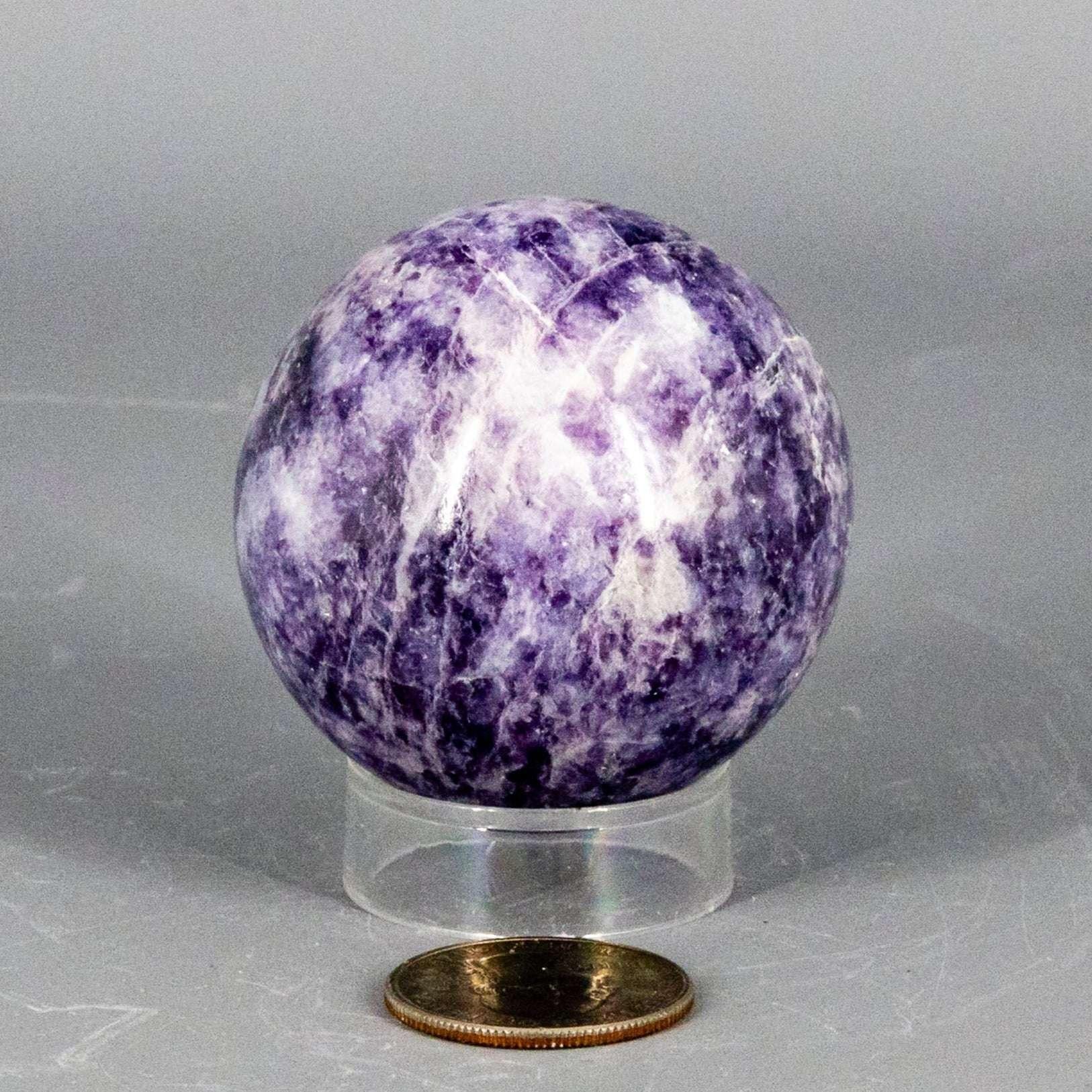
For a calming stone, many people reach for lepidolite. You can see our Lepidolite Crystal Sphere Lithium Mica Calming Stone if you want a sphere to keep on your desk.
Placement, Carrying and Meditation Sessions
Keep your crystal where you will touch or see it daily. A nightstand, desk, or pocket works well. Some people hold a stone during a short meditation, which gives them a physical anchor for their attention.
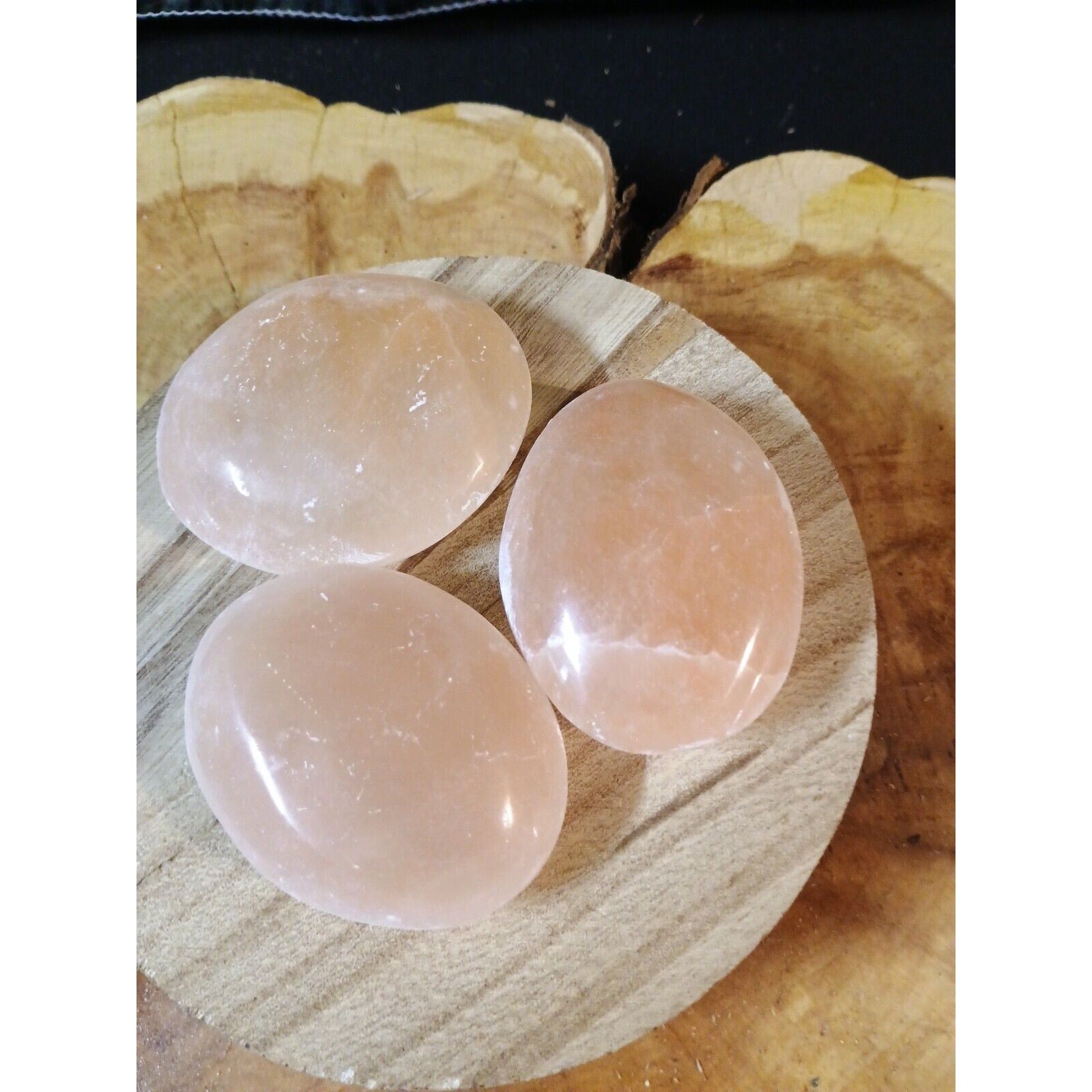
A smooth palm stone is easy to hold during practice. Our Peach Moonstone Oval Palm Stone Soothing Meditation Crystal is sized for that purpose.
How to Cleanse Crystals Before and During Use
Cleansing is a common habit among crystal users. People cleanse stones before first use, after handling by others, and on a regular schedule. Many guides suggest rinsing a stone in water, letting it sit in sunlight or moonlight, or placing it on a bed of salt. Some stones, such as selenite and certain soft minerals, can be damaged by water or salt, so check the stone type first.
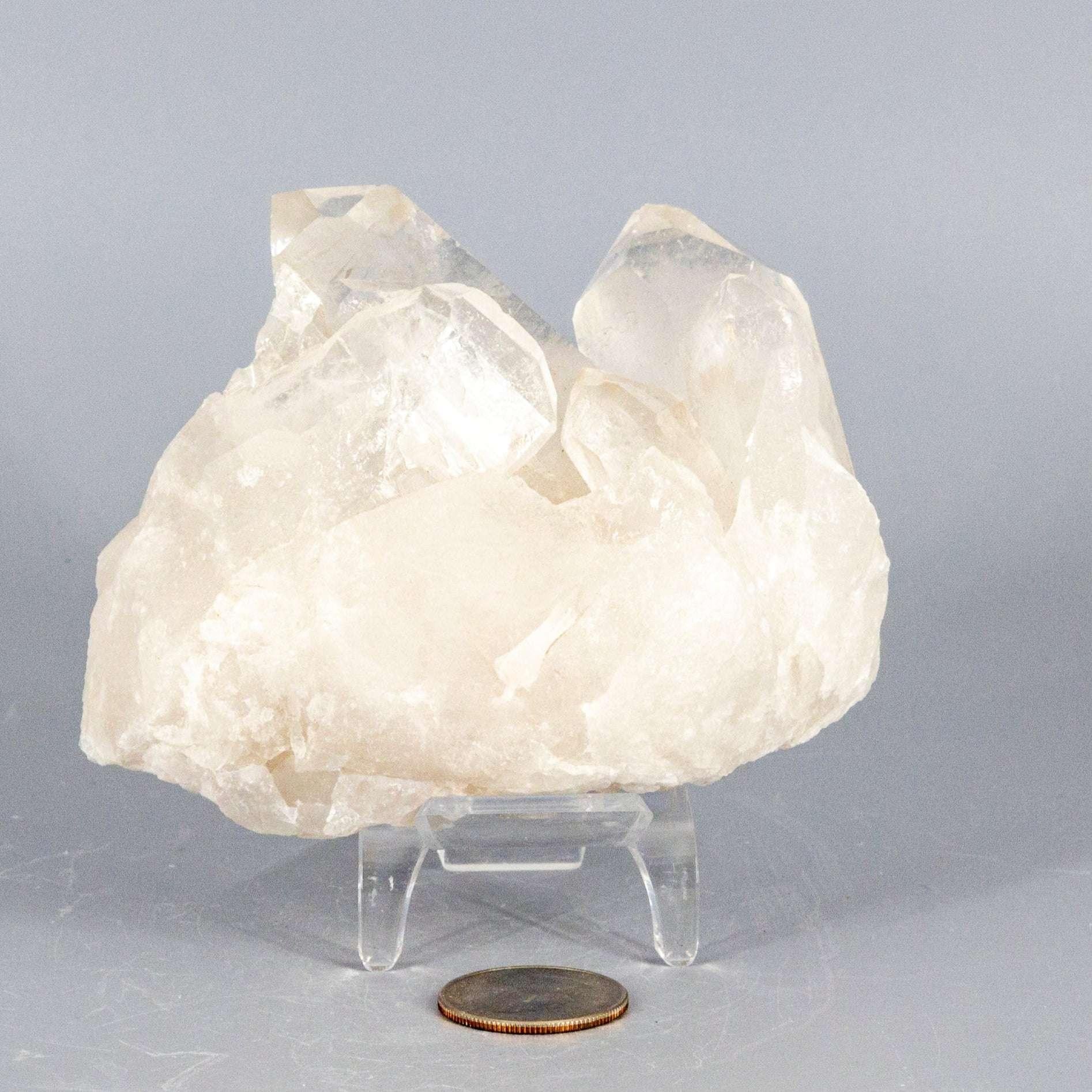
If you are cleansing a new raw stone, a Clear Quartz Crystal Point Cluster Raw Natural Stone is a good one to practice on.
Cleanse as often as feels right for your practice.
How Often to Use Crystals for Consistent Results
Consistency matters more than intensity. Using a crystal for five minutes every morning is more likely to build a habit than a long session once a month. Many people settle on a daily routine of one to two sessions per week for meditation, and carry or display a stone the rest of the time.
Track your practice in a simple notebook. Write down the date, the stone you used, and one sentence about how you felt. After four to six weeks, you can look back and see patterns.
How to Know If a Crystal Is Working, and What to Do If It Isn't
Crystal users often ask how they will know it is working. The most useful signal is a change in your habits or mood that you can describe in plain words, such as sleeping more consistently, pausing before reacting in a tense conversation, or finishing a task without drifting to your phone. These changes are easier to notice if you wrote down how you felt before you started, so take a short baseline note on day one.
If you have used a stone consistently for about four weeks and feel nothing, work through the following checks in order rather than changing everything at once.
First, confirm the match between stone and goal. A calming stone such as lepidolite is chosen for a different purpose than a focus-oriented stone such as clear quartz, and using the wrong one can make the practice feel empty even when it is being done correctly.
Second, check the frequency. A five-minute daily session is usually enough to build a habit, while sporadic long sessions tend to produce little carry-over. If your sessions have been irregular, the problem is the routine, not the stone.
Third, look at your setting. Sessions done with a phone nearby or in a noisy room give your attention little room to settle, which makes it hard to notice any subtle effect.
Fourth, consider your expectations. If you are waiting for a dramatic change, a modest shift in your daily routine may go unnoticed. Review your log for small changes you might have dismissed.
Fifth, if none of the above helps, switch to a different stone that suits your goal and give it the same consistent window. Changing stones after two weeks does not give you useful information.
If you have worked through these steps and still feel nothing after several more weeks, it is reasonable to stop. Not every stone will suit every person, and deciding the practice does not work for you is a valid outcome, not a failure.
Watch out: changing stone, frequency, setting and goal all at once makes it impossible to tell which change mattered, so adjust one variable at a time. If you would rather not sort through these variables alone, our Jewelry Mystery Boxes can be a low-pressure way to try different pieces and see which ones suit your routine.
What the Research Says About Crystal Effects and the Placebo Question
The research is limited, and it does not support claims that crystals change the body or mind. A study team asked participants to meditate for five minutes while holding either a real quartz crystal or a counterfeit crystal. The results were reported in 2017, and they drew attention to how expectation can shape how people feel.
The placebo effect is likely part of what people experience. When you expect a ritual to help, you may pay closer attention, slow your breathing, and feel calmer. That benefit is real for many people, even if it comes from the practice itself rather than the stone.
Medical experts generally state there is no scientific proof that crystals have a significant effect on energy, emotions, or mental health.
Your Next Step: Choosing a Stone and Starting Your Practice
A crystal is a tool for building a calm daily habit. Pick one stone that fits your intention, set a small routine, and track how you feel for a few weeks. Keep your expectations realistic, and let the practice grow at its own pace.
When you are ready to start, browse our crystal and jewelry collection at CSShop | Jewelry & Crystals for stones you can carry, display, or wear. If you want something to wear every day, you can also explore our Regal Blue Apatite Mixed Stone Golden Cuff Bracelets, which let you carry a stone with you throughout the day.
BUTTON: Shop Crystals Now CARD_TITLE: Ready to start your crystal practice? CARD_TEXT: CSShop | Jewelry & Crystals offers stones, spheres, and wearable pieces to suit your intention.
Frequently Asked Questions
How long does it take for crystals to work?
There is no fixed timeline, and the research does not establish one. Many practitioners describe noticing subtle shifts after several days to a few weeks of regular use, while others report nothing noticeable. Results vary with the person, their expectations and how consistently they practice. Treat any timeline as a personal guideline for tracking your own experience rather than a guarantee. If you want a structured trial, pick one intention, use the same stone for two to four weeks, and keep a short daily log.
Do crystals work immediately?
Crystals do not produce an immediate, measurable effect that research has confirmed. Some people feel calmer during a meditation session with a stone in hand, which may reflect the relaxation of the session itself rather than the stone. Immediate calm is worth noticing, but lasting change is more likely to come from repeated practice over time. Keeping expectations realistic makes it easier to judge what you actually experience.
Is there scientific evidence that crystal healing works?
Medical experts and researchers state there is no scientific proof that crystals have a significant effect on energy, emotions or mental health. A 2017 study reported that participants meditated while holding either a real quartz crystal or a counterfeit, which highlights how expectation can shape perceived effects. Crystals can still be a meaningful part of a mindfulness or ritual practice. Just do not rely on them in place of proven medical care.
How do you know if a crystal is working?
Look for changes in your routine and mindset rather than dramatic events. Useful signs include feeling more focused during the sessions you dedicate to your intention, noticing your attention returning to the goal more often, or simply keeping the practice going. Write brief notes after each session for two to four weeks so you can spot patterns. If nothing changes, the stone may not match your intention, or your practice may need more consistency.