
 ultimate-guide
How Long Does Shipping Take Online: A 2026 Guide
Table of Contents
- What Determines How Long Shipping Takes Online
- Average Shipping Time for Online Orders by Carrier
- Factors Affecting Online Order Delivery Speed
- Best Online Stores with Fast Shipping
- How to Track Your Package and Monitor Delivery Status
- What to Do If Your Shipping Takes Longer Than Expected
- Conclusion
Last Updated: August 25, 2026
What Determines How Long Shipping Takes Online
When you place an order online, the clock doesn't start the moment you hit "buy." Understanding what affects shipping requires separating two distinct phases: processing time and transit time. 🚚
Processing Time vs. Transit Time
Processing time is how long it takes a retailer to prepare your order for shipment after purchase. Transit time is how long the package travels from warehouse to door.
Many shoppers assume these happen simultaneously, but they don't. A retailer might need 1-3 business days to pick items, pack them, and generate a shipping label (peer-reviewed research). Only after that does transit time begin. When a store advertises "ships in 5-7 business days," that's usually processing time alone; transit comes after.
This distinction matters because it changes how you read delivery estimates. When CSShop or any online store provides an estimated delivery date, that typically accounts for both phases combined. Understanding them separately helps you recognize delays. If your order status shows "processing" longer than expected, that's a processing delay. Once it shows "in transit," you're in the second phase.
Processing windows vary depending on the retailer's fulfillment setup. A small business might hand-pack orders three times a week. A major retailer with automated warehouses processes orders within hours. Seasonal volume also compresses or extends this phase, during peak shopping periods, processing can stretch from 2 days to 10 days even at efficient operations.
Shipping Confirmation and Label Generation
Your shipping confirmation email marks the transition from processing to transit and contains your tracking number.
A shipping label is generated during processing, but the carrier doesn't always pick up immediately after printing. Sometimes there's a gap of 6-24 hours between label generation and the first scan showing your package entered the carrier's network. This is normal. The package is physically ready; the logistics network just hasn't logged it yet.
You'll see "shipping label created" in tracking details, then potentially hours of silence before "picked up by carrier" appears. That silence is just the operational gap between warehouse and first-mile pickup.
Average Shipping Time for Online Orders by Carrier
Shipping speed depends heavily on which carrier handles your package and which shipping method you select.
Ground Shipping and Economy Options
Standard ground shipping typically takes 5-7 business days from when your package enters the carrier's network (usps.com). This is the most economical and common choice for non-urgent purchases.
USPS Ground Advantage usually delivers in 2-3 business days for nearby zones and 3-5 business days for cross-country shipments (usps.com). UPS Ground operates similarly: 1-5 business days depending on destination zone. FedEx Ground runs 1-5 business days as well, though their network sometimes extends to 7 days for rural areas.
Economy shipping sits at the slower end of the spectrum. Retailers choose this to minimize costs, which is why it's often free or heavily discounted. If you order Monday and select economy shipping, realistic expectations are arrival by the following Monday or Tuesday, assuming processing time doesn't add additional days.
Destination matters enormously. Shipping from California to nearby Nevada takes 2-3 days. That same retailer shipping to Maine might take 5-7 days. Carriers publish zone maps showing transit duration based on origination and destination zip codes.
Expedited and Express Delivery Windows
Express and expedited options compress transit time significantly, but they don't eliminate processing time. Even overnight shipping doesn't help if your order spends three days processing first.
Next-day air delivery (FedEx, UPS, USPS Priority Mail Express) guarantees arrival the next business day, but only for transit. If your order processes Friday afternoon and ships Saturday, "next-day" means Sunday delivery, which many don't receive. Monday becomes realistic.
Two-day shipping (UPS 2nd Day Air, FedEx 2nd Day) delivers within two business days of pickup. Three-day shipping falls between ground and two-day options. Many retailers offer these as middle-ground choices: faster than ground, cheaper than overnight.
The catch is that expedited shipping only applies to transit. A retailer with a 3-day processing window cannot offer true 2-day delivery unless they process orders immediately. Add processing time to transit time to get your real expected delivery window.
Factors Affecting Online Order Delivery Speed
Several variables influence how quickly your package moves through the system.
Destination and Shipping Zone Impact
Distance and geography are primary drivers of transit duration. Packages within the same region travel faster than cross-country shipments. Carriers organize the country into zones, and transit time scales with zone distance.
Rural destinations add days to delivery windows. A package bound for a small town might need an extra 1-2 days because the carrier's final-mile network requires longer routes or fewer daily stops. Urban deliveries compress timelines due to density and efficient routing.
Zip code matters too. Some areas have multiple fulfillment centers nearby, while others have only one or two within reasonable distance. A retailer shipping from a warehouse near your location can promise faster delivery than one shipping from across the country. This is why major retailers maintain distributed warehouse networks, to reduce average transit times and offer faster shipping competitively.
International shipping introduces additional complexity. Customs clearance can add 2-10 business days depending on the destination country and current processing volumes at border facilities.
Seasonal Volume and Peak Shopping Periods
The time of year dramatically affects shipping speed. During off-peak seasons, carriers move packages swiftly. During peak periods, especially November through early January, the same carriers experience bottlenecks that extend transit times by 2-5 days.
Peak shopping periods strain the entire logistics network. Fulfillment centers hire temporary workers and run extended shifts, but processing still slows. Carriers add extra trucks and routes, but volume sometimes exceeds capacity. A package that normally arrives in 5 days might take 7-9 days during the holiday rush.
Black Friday, Cyber Monday, and weeks leading up to Christmas see the most severe delays. If you order during these windows, assume the longest possible delivery estimate and add a buffer. Many retailers explicitly extend estimated delivery dates during peak season.
Conversely, late January through September typically see the fastest shipping times. If speed matters, ordering during these months increases your chances of beating estimated delivery windows.
Common Causes for Shipping Delays
Weather disruptions are common culprits. Heavy snow, ice, flooding, or hurricanes can halt carrier operations for days. Packages destined for affected regions sit in distribution centers waiting for routes to reopen.
Carrier capacity issues occur when unexpected volume surges or staffing shortages hit. A carrier might delay pickups from a particular warehouse if their network is overwhelmed, backing up processing and extending the entire delivery window.
Address issues cause delays too. Incomplete, incorrect, or ambiguous addresses force carriers to contact the sender or recipient to clarify. Double-checking your address before checkout prevents this.
Customs delays affect international shipments. A package can clear the origin country quickly but get held at the destination country's border for inspection or documentation review.
Carrier errors happen but are rare with major carriers. When they do occur, the retailer and carrier work together to resolve them, typically adding 5-10 business days.
Best Online Stores with Fast Shipping
When speed matters, certain retailers have built reputations on rapid fulfillment and reliable delivery windows.
CSShop stands out for its commitment to fast delivery on fashion and lifestyle products. The brand's curated collections, including Jewelry Mystery Boxes, ship quickly. When you order from CSShop, you're getting both quality pieces and a seamless shopping experience designed to get your items to you without unnecessary delays. Their focus on fast delivery makes them an excellent choice if you need fashion pieces or accessories quickly. 💎
Beyond CSShop, retailers like Amazon Prime (with membership) offer same-day or next-day delivery in many areas. Zappos ships free and fast on footwear and apparel. Target offers same-day delivery options for in-stock items in many locations. Best Buy provides fast shipping on electronics, often with in-store pickup alternatives.
The pattern among fast-shipping retailers is clear: they maintain local or regional fulfillment centers, process orders within 24 hours, and partner with reliable carriers. If speed is your priority, look for retailers advertising "ships same day" or "ships next business day."
How to Track Your Package and Monitor Delivery Status
Once your order ships, tracking becomes your window into the package's journey. Knowing how to read tracking information prevents unnecessary worry and helps you catch genuine problems early.
Using Your Tracking Number
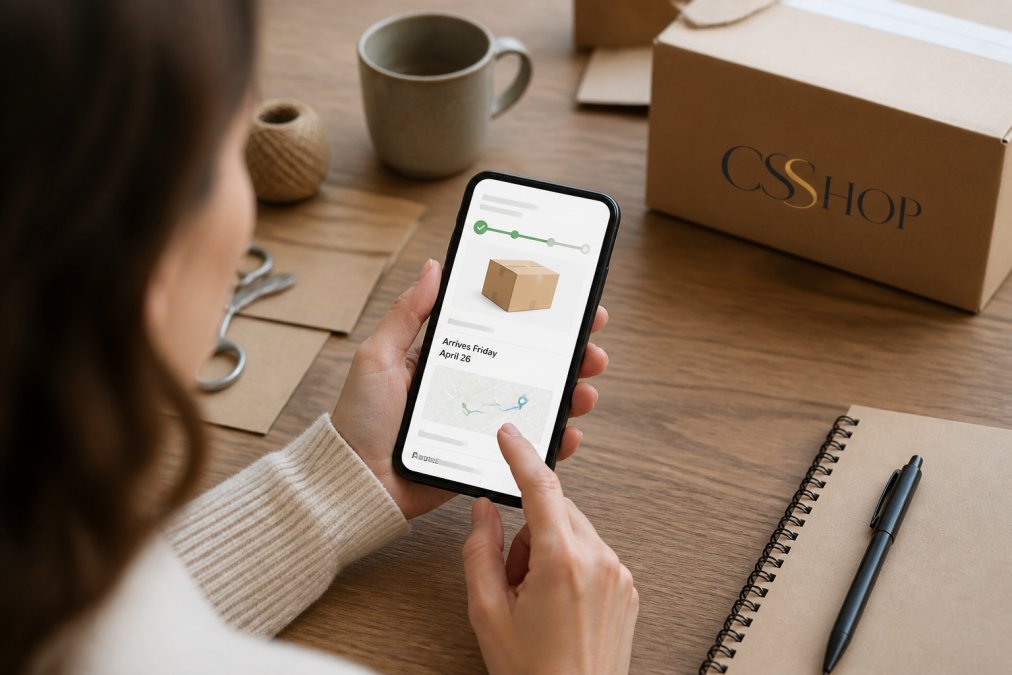
Your tracking number is a unique identifier that carriers use to log every movement your package makes. You'll receive it via email from the retailer once processing completes and the package enters the carrier's system.
Paste this number into the carrier's tracking website (USPS.com, UPS.com, FedEx.com) or use the retailer's tracking link to see real-time updates. The tracking page shows your package's location, last scan time, and estimated delivery date. This information updates each time your package is scanned at a facility or loaded onto a delivery vehicle.
Most carriers provide tracking notifications via email or SMS if you opt in. These alerts notify you when your package is out for delivery, delivered, or when there are exceptions. Setting up these notifications prevents you from missing a delivery.
Understanding Package Status Updates
Tracking statuses follow a standard progression: "label created," "picked up by carrier," "in transit," "out for delivery," and "delivered."
"Label created" means the retailer has generated the shipping label but the carrier hasn't picked up the package yet. This can take 6-24 hours.
"Picked up by carrier" indicates your package has entered the carrier's network and is heading toward the first distribution facility. This is when the transit timeline officially begins.
"In transit" means your package is somewhere between origin and destination, moving through the carrier's network.
"Out for delivery" means your package is on the delivery vehicle and should arrive today.
"Delivered" confirms arrival. The carrier often includes a signature status or photo proof if required.
Exception statuses indicate problems: "delivery attempted," "address issue," "weather delay," "package damaged." These require attention. Contact the retailer or carrier immediately to resolve them.
What to Do If Your Shipping Takes Longer Than Expected
Delays happen. When your package doesn't arrive by the estimated date, a clear action plan prevents frustration and gets results.

First, check your tracking number. A delay shown in tracking is a real delay; silence in tracking after "out for delivery" suggests a genuine problem. Give the package one extra business day beyond the estimate before taking action, delays of 1-2 days are common and usually self-correct.
If tracking shows no update for 5+ business days or shows an exception status, contact the retailer's customer service. Provide your order number and tracking number. Most retailers can file a claim with the carrier or issue a replacement/refund if the package is truly lost.
If the carrier shows "delivery attempted" but you weren't home, contact them immediately. They'll leave a notice with instructions for redelivery or pickup.
For weather or other force majeure delays, patience is your only option. Carriers cannot force delivery through severe weather. Expect an additional 2-5 days once conditions clear.
If a package arrives damaged, photograph the damage and packaging before opening it further. Contact the retailer with photos. They'll initiate a claim with the carrier and typically replace or refund the item.
Distinguish between normal delays (1-2 days beyond estimate), carrier delays (tracked but slow), and genuine problems (no tracking update, exception status, or damage). Each requires a different response.
Conclusion
How long shipping takes online depends on processing time, transit time, carrier choice, destination, and seasonal factors. Standard ground shipping typically takes 5-7 business days from pickup, while expedited options compress that to 1-3 days. Processing adds 1-3 additional days, so total delivery windows usually range from 3-10 business days depending on your choices and the retailer's efficiency.
The best way to manage shipping expectations is to read the estimated delivery date carefully, understand your carrier's typical performance, and track your package once it ships. Most packages arrive on time or early. When delays occur, tracking information and quick communication with the retailer resolve them quickly.
For fashion and lifestyle purchases where speed and reliability matter, CSShop delivers both quality products and dependable shipping. Explore their curated collections, including Jewelry Mystery Boxes, and experience their commitment to fast, reliable shipping.
Frequently Asked Questions
What's the difference between processing time and shipping time?
Processing time is how long the retailer takes to prepare your order for shipment, typically 1-3 business days. Shipping time, or transit time, is how long the carrier takes to deliver it to your address. How long does shipping take depends on the carrier and distance. Always check your order confirmation for both timelines, as they add together to determine your estimated delivery date.
How long does standard shipping usually take?
Standard shipping typically takes 5-10 business days after processing is complete, depending on your location and the carrier. Ground shipping, the most common form of standard delivery, covers distances across the country and accounts for the longest transit duration. Delivery windows vary by shipping zone. For faster options, expedited shipping can reduce this to 2-3 business days, though it costs more.
Why does shipping take longer during certain times of year?
Peak shopping periods, particularly the holiday season and major sales events, create shipping delays. Increased order volume strains fulfillment centers and carrier networks, slowing dispatch and last-mile delivery. Seasonal volume can add 3-5 extra business days to typical transit times. Planning ahead and ordering early helps avoid these delays.
How can I track my online order effectively?
Use your tracking number, provided in your shipping confirmation email, to monitor package status in real time. Most carriers offer tracking via their website or mobile app, showing dispatch location, transit updates, and estimated delivery date. Check your order status regularly to catch any delivery issues early. If your package shows a delay, contact the retailer or carrier before the estimated delivery window closes.
This article was written using GrandRanker