 Ultimate guide
Metaphysical Crystals in Home Decor: Benefits & Placement
Table of Contents
- What Metaphysical Crystals Actually Bring to a Room
- The Best Crystals for the Home and What Each One Is Used For
- Crystal Placement in the Home: Room-by-Room Guidance
- How to Cleanse Crystals at Home Without Damaging Them
- A Practical Selection Framework for Real Homes and Budgets
- Sourcing, Authenticity, and Ethical Purchasing
- Safety, Care, and Honest Limits of Crystal Claims
- Conclusion
- Frequently Asked Questions
Last Updated: October 17, 2026
What Metaphysical Crystals Actually Bring to a Room
Metaphysical crystals are natural mineral formations used in home decor for their beauty and the qualities traditionally associated with them, such as calm, clarity, and balance.
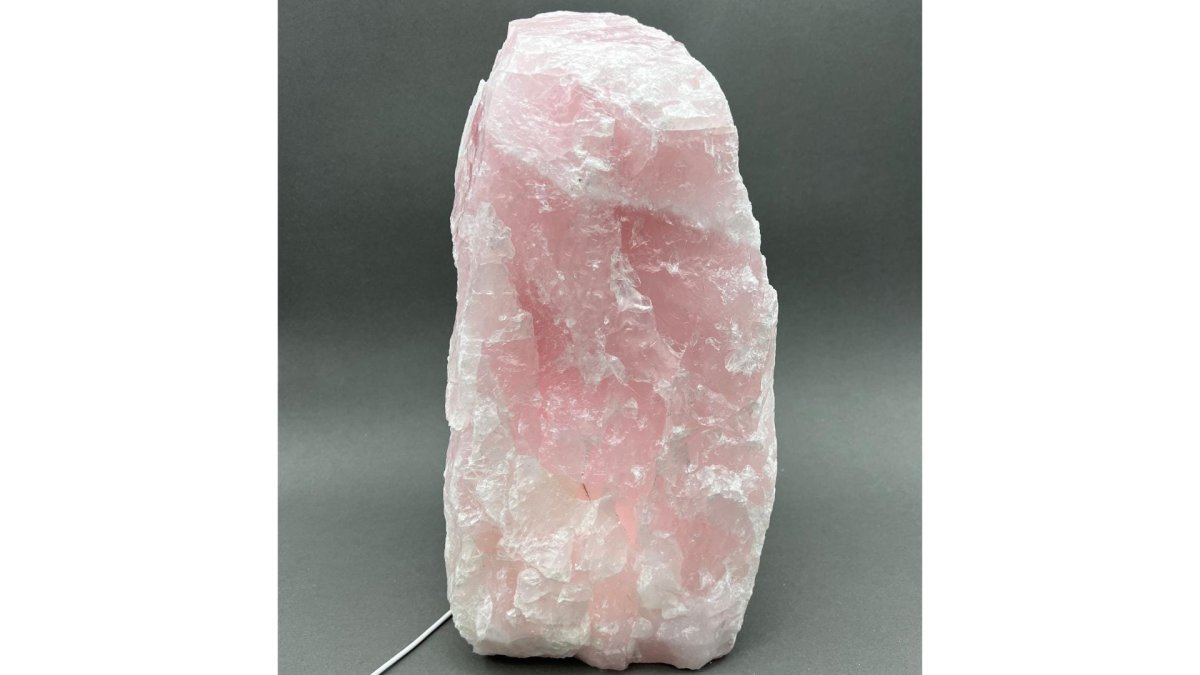
No crystal will remodel your living room or fix a stressful week. A deep purple amethyst cluster on a bookshelf reads as deliberate; a pale rose quartz lamp on a nightstand turns a bedside table into a small ritual.

Below: the best crystals for the home, room-by-room placement, cleansing methods, and a selection framework that respects a real budget.
The Best Crystals for the Home and What Each One Is Used For
The best crystals for the home are the ones that match both your intention and your room's palette. Traditional crystal meanings give you a starting point; your eye makes the final call.
Rose Quartz, Amethyst, and Clear Quartz
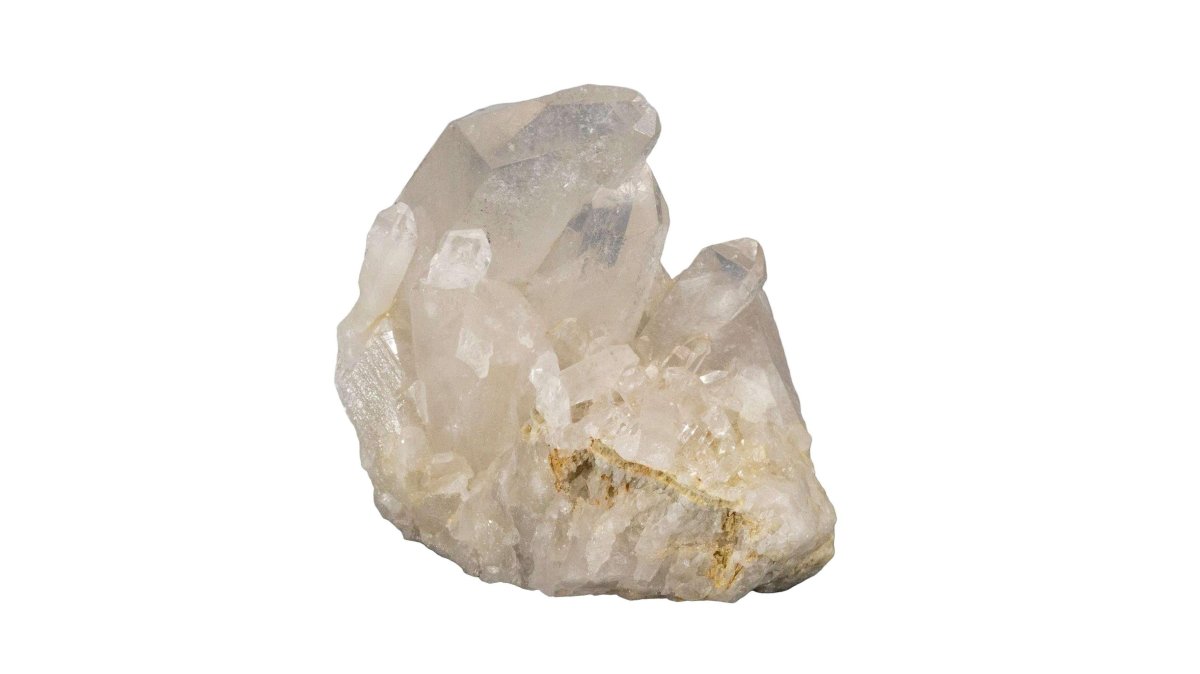
These three cover most homes. Rose quartz is associated with love, relationships, and emotional softness, fitting bedrooms and entryways. Amethyst is linked with calm, intuition, and restful sleep, suiting spaces where you wind down. Clear quartz is the generalist: an amplifier used to enhance nearby stones and bring a clean, bright note to a display.
Green Crystals for Growth and Calm
Green stones such as jade, aventurine, and green fluorite are linked with growth, balance, and renewal. They pair well with plants and natural wood, and suit home offices that need a steady, grounded feel rather than a jolt of color.
Crystal Placement in the Home: Room-by-Room Guidance
Crystal placement works best when you treat each room as its own mood. Start with the room's purpose, then choose one or two stones that support it rather than scattering pieces everywhere.
Walk through each room and note where your eye naturally pauses: an entry console, a kitchen windowsill, the corner of a desk. Those pause points are where a crystal earns its place. A stone tucked behind a lamp or on a high shelf you never look at does little for the room.
Entryway, Living Room, and Dining Area
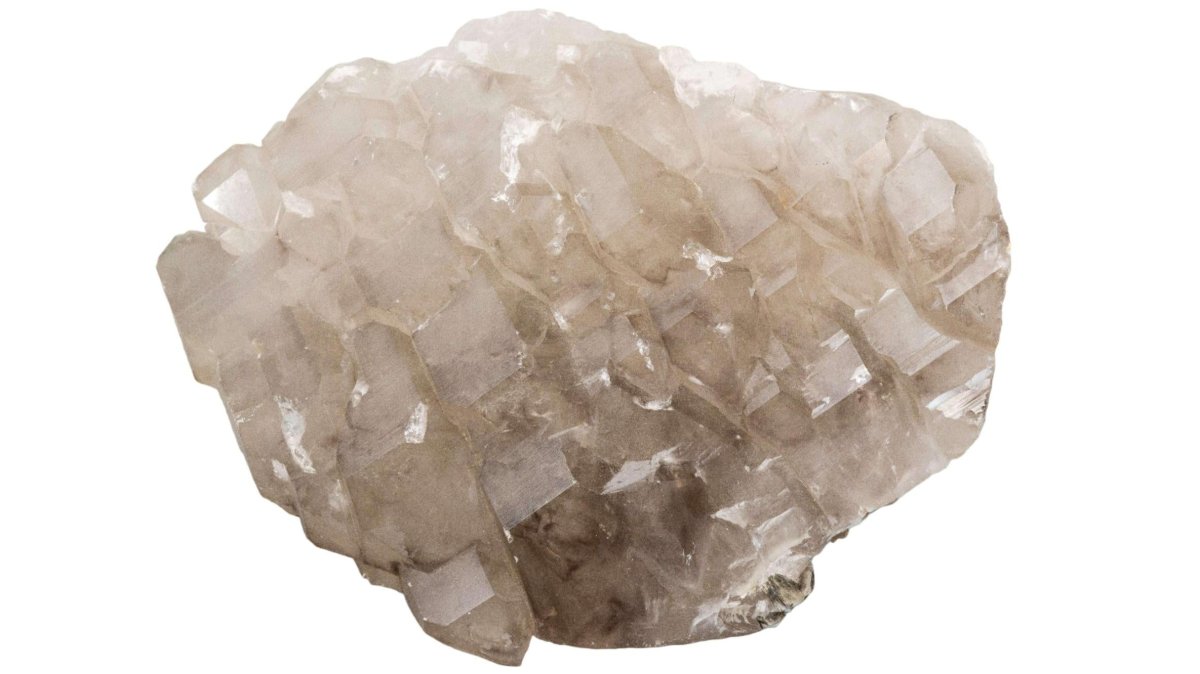
- Entryway: the transition zone. Choose a clearing, grounding stone, clear quartz, black tourmaline, or smoky quartz, on a console or tray near the door, small enough that keys and mail do not bury it.
- Living room: a larger statement piece, such as a cluster or sphere, on a console or coffee table, crystal decor as conversation starter. Pair a warm stone like rose quartz with a cooler amethyst for contrast.
- Dining area: green stones such as jade or aventurine suit a gathering space and pair naturally with plants and wood. Keep pieces low so they do not block sightlines across the table.
Bedroom, Workspace, and Bathroom
- Bedroom: amethyst or rose quartz on a nightstand, kept small and soft. Avoid harsh lighting beside the bed and skip large clusters that can be knocked over in the dark.
- Workspace: clear quartz near your monitor or a green stone on the desk, placed where you see it during the day. A small point or tumbled stone beats a large cluster that crowds the keyboard.
- Bathroom: the trickiest room because of moisture. Choose harder stones like quartz and keep them on a dry shelf or windowsill, not beside the sink or shower, where splashing and steam can dull a finish.
Energy Flow and Feng Shui Basics
Many people place crystals with energy flow in mind, most commonly through feng shui. You need not follow it strictly to benefit from its logic: clutter blocks flow and clear pathways support a calmer room.
A simple feng shui-informed approach matches the stone's traditional quality to the room's function: grounding stones in entryways, calming stones in bedrooms, bright, clearing stones in workspaces. Treat it as a design lens, not a rulebook. If a placement feels cluttered or forced, it probably is.
Small Spaces and Rentals
Compact layouts and rentals call for a different approach. In a small apartment, one well-placed cluster on a windowsill or desk corner does more than five scattered pieces.
How to Cleanse Crystals at Home Without Damaging Them
How to cleanse crystals at home comes down to matching the method to the mineral, because the wrong approach can dull a finish or weaken a piece.
Water is where people get into trouble. Soft stones, porous clusters, and anything with a metal base or adhesive should stay dry. Harder quartz pieces can take a brief rinse and a pat dry with a soft cloth. Moonlight is a gentle, damage-free option for almost anything and fits a monthly routine.
A Practical Selection Framework for Real Homes and Budgets
A practical selection framework keeps you from buying five stones that all do the same thing. Most guides list stones and meanings, then leave you to guess which fits your room. This framework ties the choice to four criteria: the room's purpose, your existing style, the space's physical size, and your budget.
Step 1: Match the Stone to the Room's Purpose
Start with what the room is for. Rest, focus, gathering, or transition. Match the stone's traditional quality to that purpose rather than choosing by color alone.
- Rest (bedroom): amethyst, rose quartz, or a soft moonstone.
- Focus (office): clear quartz, green fluorite, or a small pyrite cluster.
- Gathering (living or dining): a larger amethyst or quartz cluster as a centerpiece.
- Transition (entryway): black tourmaline, smoky quartz, or clear quartz for a grounding note.
Step 2: Match the Form to Your Style
Crystal decor reads very differently depending on form. A raw cluster looks natural and textural; a polished sphere looks modern and sculptural; a lamp adds warmth and function. If your room is busy with pattern and color, a single raw cluster or clean sphere will settle it. If it is minimal, a lamp or mixed-material piece adds the warmth it is missing.
Step 3: Measure Before You Buy
Measure the shelf, table, or sill first. A cluster that overhangs looks accidental; one with breathing room looks styled. As a rule of thumb, a display piece should occupy roughly a third of the surface it sits on. On a narrow windowsill, a small point or tumbled stone is the right scale; on a wide console, a cluster or sphere holds the space.
Rose Quartz Lamp 3 Inch Wood Base Size 2.5 to 3.5 Inches Crystal Decor →
Step 4: Set a Budget Band
Crystal decor ranges widely, from small tumbled stones and points to large illuminated centerpieces. Decide before you shop whether you are buying a starter piece, a mid-range accent, or a statement investment, and let that band narrow the field. A small natural quartz cluster with a display stand is an affordable start; a large illuminated centerpiece is an investment you build a room around.

| Home Type | Best Crystal Form | Typical Placement | Budget Approach |
|---|---|---|---|
| Small apartment | Small points, tumbled stones | Windowsill, desk corner | Start with one or two pieces |
| Renter (no wall changes) | Clusters on stands, lamps | Shelf, nightstand | Freestanding, no mounting |
| Family living room | Large cluster or sphere | Console, coffee table | One statement piece |
| Home office | Clear quartz, green stones | Desk, bookshelf | Function-first picks |
A Quick Decision Checklist
Before you check out, run through these questions:
- Does this stone match the room's purpose, or am I buying it because it is pretty?
- Does its form fit my existing style, or will it fight the room?
- Have I measured the surface, and does the piece leave breathing room?
- Does it fit the budget band I set before I started shopping?
- Can I return it if it arrives chipped or looks different from the listing?
If you can answer all five, you have a piece that will actually work in your home rather than one that sits in a drawer.
Sourcing, Authenticity, and Ethical Purchasing
Authenticity is the part most crystal guides skip, and it is the part that protects your money. Natural stones vary in color, inclusions, and shape, so a piece identical to its product photo in every unit is a warning sign, not a selling point.
Ask three questions of any seller:
- Is the stone natural, and where was it sourced?
- Are the photos of the actual piece, or a representative sample?
- What is the return policy if the stone arrives chipped or differs from the listing?
For buyers who care about responsible sourcing, look for sellers who state material origin openly and describe their pieces honestly.
Safety, Care, and Honest Limits of Crystal Claims
Crystals are decor and, for many people, a meaningful personal practice. They are not medicine, and no stone should replace professional care for a health concern.
Care is straightforward once you know your stone. Dust with a soft, dry microfiber cloth.
A common mistake is assuming all crystals can be cleaned the same way. They cannot.
If you want to go deeper on how minerals form and behave, the Smithsonian's mineral sciences resources are a solid, non-commercial starting point.
Conclusion
Building a crystal collection that actually works in your home comes down to intention, placement, and honest sourcing, not volume. Start with one piece that fits your room and your budget, cleanse it gently, and let the display grow from there.
At CSShop, we curate crystals and jewelry with the same idea in mind: pieces that feel special, stylish, and easy to love. Explore our Rose Quartz Lamp for a warm bedside glow, our 22 lb Mixed Crystal Vase with LED Fluorite Sphere for an instant centerpiece, our Natural Quartz Crystal Cluster with Stand as an affordable first specimen, or our Amethyst Crystal Cluster for a room anchor. If you love a little surprise, our Jewelry Mystery Boxes are a fun way to discover new pieces. Browse the full collection at csshop.shop and find the piece that fits your space.

Frequently Asked Questions
What are the benefits of using crystals in home decor?
People use metaphysical crystals in home decor for two reasons: visual appeal and traditional associations. A well-chosen cluster or sphere adds color, texture, and a natural focal point to a shelf or table. Many also use crystals as a mindfulness cue, pairing them with intentions for calm, focus, or harmony in a space. Treat these as personal and symbolic benefits rather than medically proven effects, and choose pieces you genuinely enjoy looking at every day.
Where should I place crystals in my home?
Start with the rooms where you spend the most time. Place amethyst in the bedroom for a calmer atmosphere, rose quartz in living areas or near relationship-focused spaces, and clear quartz on a workspace desk to support focus. Keep pieces out of direct sunlight if the mineral is light-sensitive, away from high-traffic edges, and above reach of children and pets. One or two intentional placements per room usually looks better than scattering many small stones.
How do I cleanse crystals at home?
The safest routine for most specimens is gentle and dry: wipe with a soft microfiber cloth, then set the piece in moonlight or near a window for a few hours. Avoid soaking clusters, selenite, and anything with a metal or wood base, since water can damage them. Sound cleansing with a bell or singing bowl is another low-risk option. Cleanse when a piece looks dusty or when you want a fresh start, not on a rigid schedule.
Do metaphysical crystals have scientifically proven effects?
No controlled research supports claims that crystals influence energy, health, or emotions. What studies do show is that placebos and personal rituals can shape how people feel in a space, and that decorating with objects you find meaningful can support a sense of calm. Enjoy crystals for their beauty, craftsmanship, and the intention you attach to them, and keep any health concerns with a licensed professional.