 Listicle
7 Ways to Cleanse Crystals at Home Safely
Quick Summary
To cleanse crystals at home, you can use cool running water, sunlight, moonlight, sage or incense smoke, dry salt, sound, or a simple intention. Choose the method by stone type, since soft, porous, or water-soluble stones like selenite and opal need dry methods. When unsure, use sound, smoke, or intention.
- Cool running water for 30 to 60 seconds works for hard, stable stones like clear quartz.
- Stones like selenite, malachite, and opal should stay dry, away from water and salt.
- Moonlight is one of the lowest-risk options for delicate specimens.
- Sound cleansing involves no contact with the stone and suits delicate or unknown stones.
- Use a soft dry cloth to remove salt grains and dry stones after cleansing.
Table of Contents
- Why Cleansing Your Crystals Matters
- Which Crystals Should Not Touch Water
- 1. Cleanse Crystals Under Cool Running Water
- 2. Cleanse Crystals in Sunlight
- 3. Cleanse Crystals in Moonlight
- 4. Cleanse Crystals with Sage or Incense Smoke
- 5. How to Cleanse Crystals with Salt
- 6. Cleanse Crystals with Sound
- 7. Set an Intention Before You Cleanse
- Care for Your Collection
- Frequently Asked Questions
Why Cleansing Your Crystals Matters
Cleansing your crystals is a simple habit that keeps them looking clear and ready to use. Many crystal owners cleanse a new piece before they first handle it, especially when it came from a second-hand seller or a busy market table. Many people think of cleansing as a small ritual that takes a few minutes and pays off every time they pick up a stone.
Crystals collect dust, skin oils, and lotion residue from daily handling. Over time, that film dulls the surface and makes a stone look cloudy. Regular cleansing restores the shine and gives you a clean starting point for meditation, display, or gifting.
Whatever you believe about crystal energy, cleansing also gives you a deliberate moment to reset a piece before you use it. Many people find that the process itself feels grounding. This guide walks through seven practical ways to cleanse crystals at home, with safety notes for stones that need extra care.
Which Crystals Should Not Touch Water
Not every crystal can handle water, and the ones that cannot are more common than most guides admit. The risk comes from three properties: softness (the stone scratches or pits), porosity (water seeps into cracks and layers), and solubility (the stone literally dissolves). Hardness is measured on the Mohs scale from 1 (talc) to 10 (diamond); anything at 5 or below is easy to scratch, and porous or layered stones can split when water expands inside them.
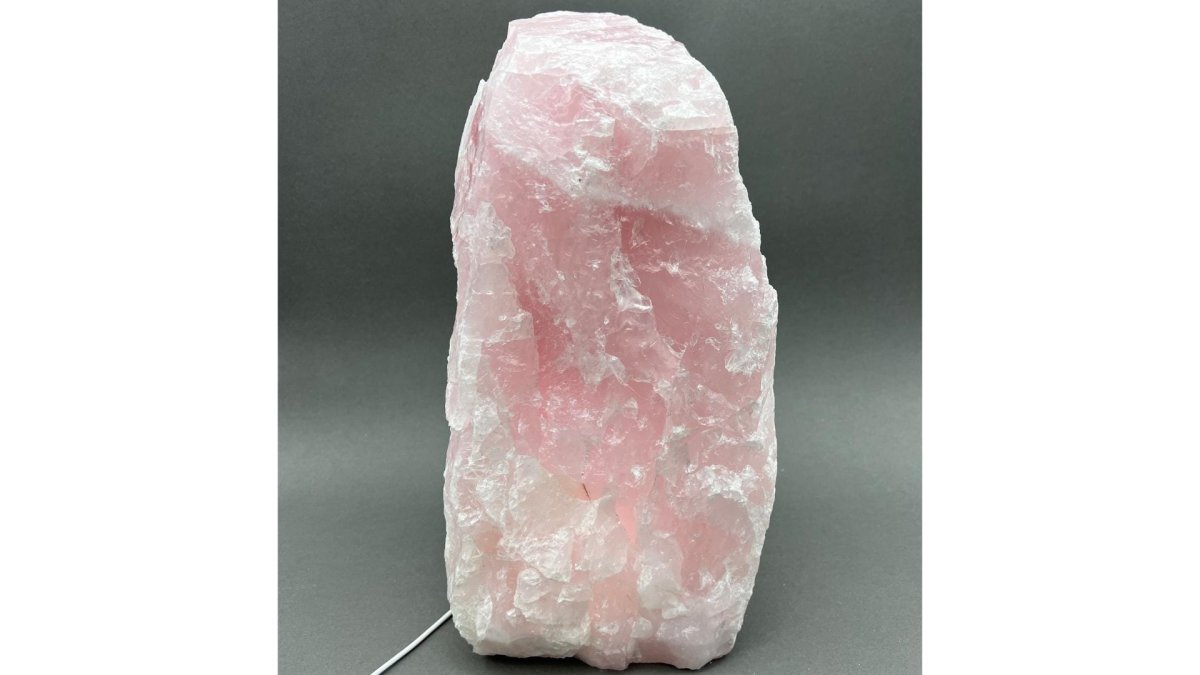
Stones that should stay dry include selenite and satin spar (both gypsum, Mohs 2, and water-soluble), halite (rock salt, which dissolves), malachite (porous and damaged by water), azurite, angelite, kyanite (layered and can split), and lepidolite (layered and soft). Opal is a special case: it holds water in its structure, and repeated soaking or rapid drying can craze or crack it. Pyrite and marcasite are prone to rust when wet. Hematite can leave rust marks and dull its finish. Turquoise, lapis lazuli, and rhodochrosite are porous enough that water and salt can discolor them.
Salt is harsher than plain water. Dry salt can scratch soft stones, and salt water combines moisture with abrasive crystals that work into cracks. Skip salt entirely for opal, turquoise, lapis, malachite, pearl, amber, and any stone with a Mohs hardness under 5.
Heat and direct sunlight are their own hazards. Amethyst, rose quartz, citrine, and other colored quartz varieties can fade with prolonged direct sun. Opal and amber can dry and crack near heat. Never place any crystal in an oven, on a radiator, or in a hot car to "speed up" cleansing.
A quick reference for the most common trouble cases:
| Stone | Avoid | Safe default |
|---|---|---|
| Selenite / satin spar | Water, salt | Smoke, sound, moonlight |
| Halite | Water, humidity | Dry salt bed, sound |
| Malachite | Water, salt, heat | Smoke, sound |
| Opal | Soaking, salt, heat, direct sun | Smoke, sound, brief moonlight |
| Turquoise / lapis | Water, salt, sun | Smoke, sound |
| Pyrite | Water (rust) | Dry salt, smoke, sound |
| Amethyst / rose quartz | Prolonged direct sun | Water rinse, moonlight, sound |
| Clear quartz | Very little | Any method |
Crystal jewelry needs its own rules. Before showering or swimming, take off pieces made with delicate stones, and read our notes on 9 Crystal Jewelry Water Rules Before Your Next Shower. Metal settings also need care. If your pieces include non-tarnishing stainless steel, our how to clean non-tarnishing stainless steel jewelry guide explains safe methods. If you would rather skip the guesswork altogether, our Jewelry Mystery Boxes are a fun way to discover new pieces to care for.
Watch out: a stone you cannot identify should be treated as delicate by default. Use sound, smoke, or a brief moonlight session rather than guessing and soaking it.
1. Cleanse Crystals Under Cool Running Water
Running water is one of the simplest ways to cleanse a crystal at home. Hold the stone under a gentle stream of cool tap water for about 30 to 60 seconds. Use a soft cloth afterward to dry it, and avoid hot water, which can cause thermal stress in some stones.
Water works best for hard, stable stones such as clear quartz. For a deeper, dedicated list of the stones that cannot handle water or salt, see which crystals can't handle salt water cleansing. Always confirm the stone can handle water before you start. For delicate pieces, a damp cloth may be a safer choice.
2. Cleanse Crystals in Sunlight
Sunlight is a popular way to refresh a crystal's energy. Place your stone in a bright spot for a few hours, preferably in the morning. Direct midday sun can fade colors in amethyst and other purple or light-sensitive stones, so limit exposure for those.
Keep this method for stones that handle light well. Clear quartz and most hard, stable crystals take sun comfortably. If your crystal changes color after exposure, move it out of direct light.
3. Cleanse Crystals in Moonlight
Moonlight offers a gentler alternative to sunlight. Leave your crystal outside or on a windowsill overnight, especially during a full moon, when many people say moonlight charging is strongest. Moonlight does not carry heat, so it is a good choice for stones that could be damaged by warmth.
Bring pieces inside before rain or dew settles, since moisture can affect some stones. Moonlight is one of the lowest-risk options for delicate specimens.
4. Cleanse Crystals with Sage or Incense Smoke
Smoke cleansing is a traditional method. Light a sage bundle or incense stick, let it burn for a moment, then gently blow out the flame so it smolders. Pass your crystal slowly through the smoke, turning it so every side is touched.
Work in a well-ventilated room and keep the smoke away from your face. Never leave burning sage or incense unattended. Smoke is safe for almost all stones, which makes it a good everyday choice.
5. How to Cleanse Crystals with Salt
Salt is often recommended for cleansing, but it needs care. Dry sea salt or rock salt can be placed in a bowl with the crystal resting on top for several hours or overnight. Salt can be abrasive, so avoid it for soft stones, and never use salt water on crystals, since moisture and salt can damage the surface.
Using dry salt keeps the method gentle. Once finished, brush away any salt grains with a soft cloth. If you are unsure whether your stone tolerates salt, choose a different method.
6. Cleanse Crystals with Sound
Sound cleansing uses vibration rather than water, heat, or light. Ring a singing bowl or tap a tuning fork near the crystal, letting the tone move around it for a minute or two. Many practitioners find this method calming, and it involves no contact with the stone's surface.
Sound is one of the safest options for delicate or unknown stones. It also works well alongside the other methods, so you can combine it with moonlight or smoke for a fuller reset.
7. Set an Intention Before You Cleanse
Intention is the part of cleansing that has nothing to do with the stone's surface and everything to do with the practice. It is worth separating the two ideas, because they answer different questions. Physical cleaning removes dust, skin oils, and lotion film that dull a stone. Spiritual cleansing is a personal or traditional practice in which a person sets aside a crystal's prior associations and resets it for a new use. Neither replaces the other: a stone can be spotless and still feel "stale" to its owner, and a meaningful intention will not remove a fingerprint.
A workable intention routine takes about a minute. Hold the crystal in your non-dominant hand, take one slow breath, and state in a single sentence what you want the stone to release and what you want it to support. Keep it specific enough to remember: "release the tension from this week" is easier to hold in mind than "be positive." Some people speak aloud, some think it, and some write the sentence in a journal so they can compare it later. Most practitioners find that the sentence matters less than the pause it creates.
Intention is also the default method for the hardest cases. If you do not know a stone's identity, if it is a fragile specimen, if it is set in jewelry you cannot easily dry, or if you have no smoke, salt, or sound tools on hand, intention plus a soft dry cloth is a complete low-risk routine. It is the one method that cannot damage a stone.
A common pattern is to pair intention with a physical method rather than choosing between them: rinse a hard stone, dry it, then set the intention; or pass a delicate stone through smoke and finish with the sentence. The order is a matter of preference, but doing the physical step first means you are holding a clean stone when you set the intention.
Watch out: intention is not a substitute for physical cleaning, and it is not a safety check. A dusty stone still needs a wipe, and an unidentified stone still needs a dry method.
Care for Your Collection
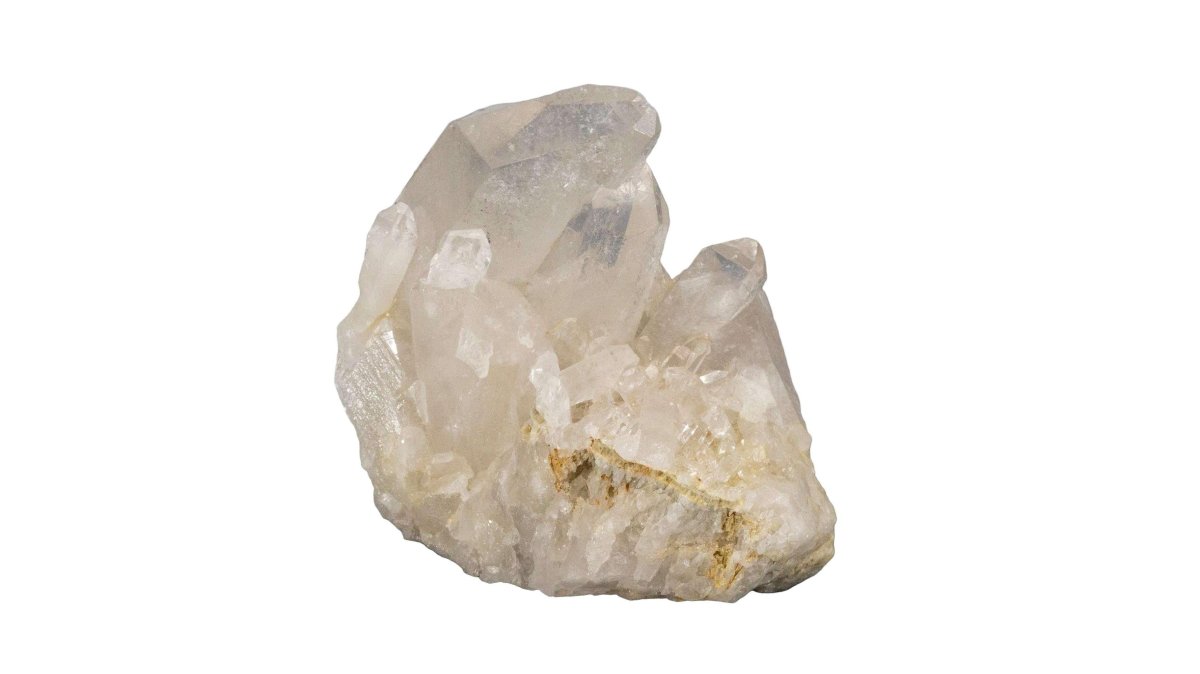
If you are building a collection, a good storage spot and a few basic care tools make cleansing easier. Explore our crystal storage and care products to find pieces that fit your routine, and browse our range of clear quartz clusters for a stone that suits regular cleansing.
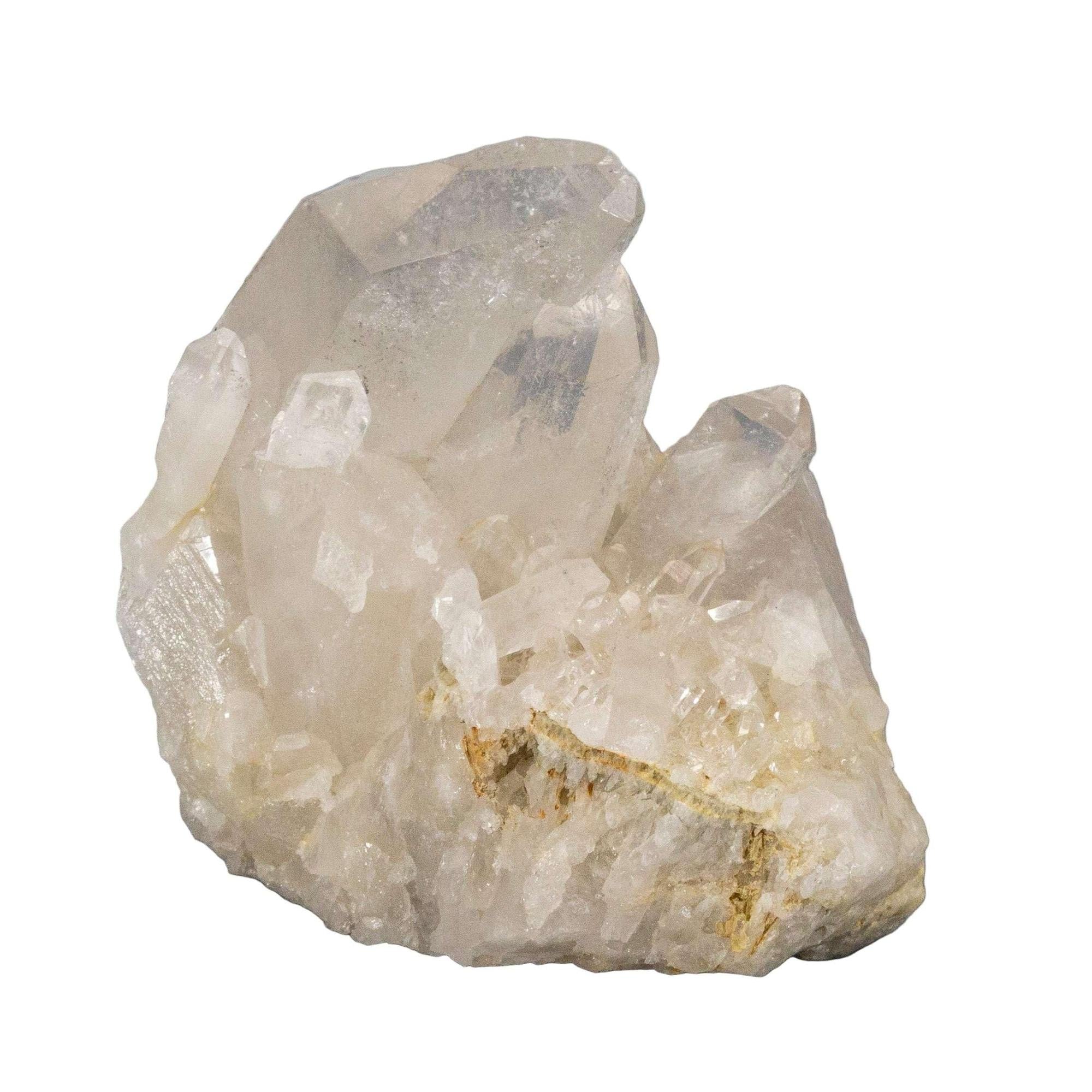
Our Clear Quartz Crystal Cluster Exceptional Natural Points is one place to start, priced at $179.99 and available at https://csshop.shop/products/clear-quartz-crystal-cluster-exceptional-natural-points. For a larger centerpiece, the Himalayan Clear Quartz Crystal Cluster with Natural Points is $649.99 at https://csshop.shop/products/himalayan-clear-quartz-crystal-cluster-with-natural-points.
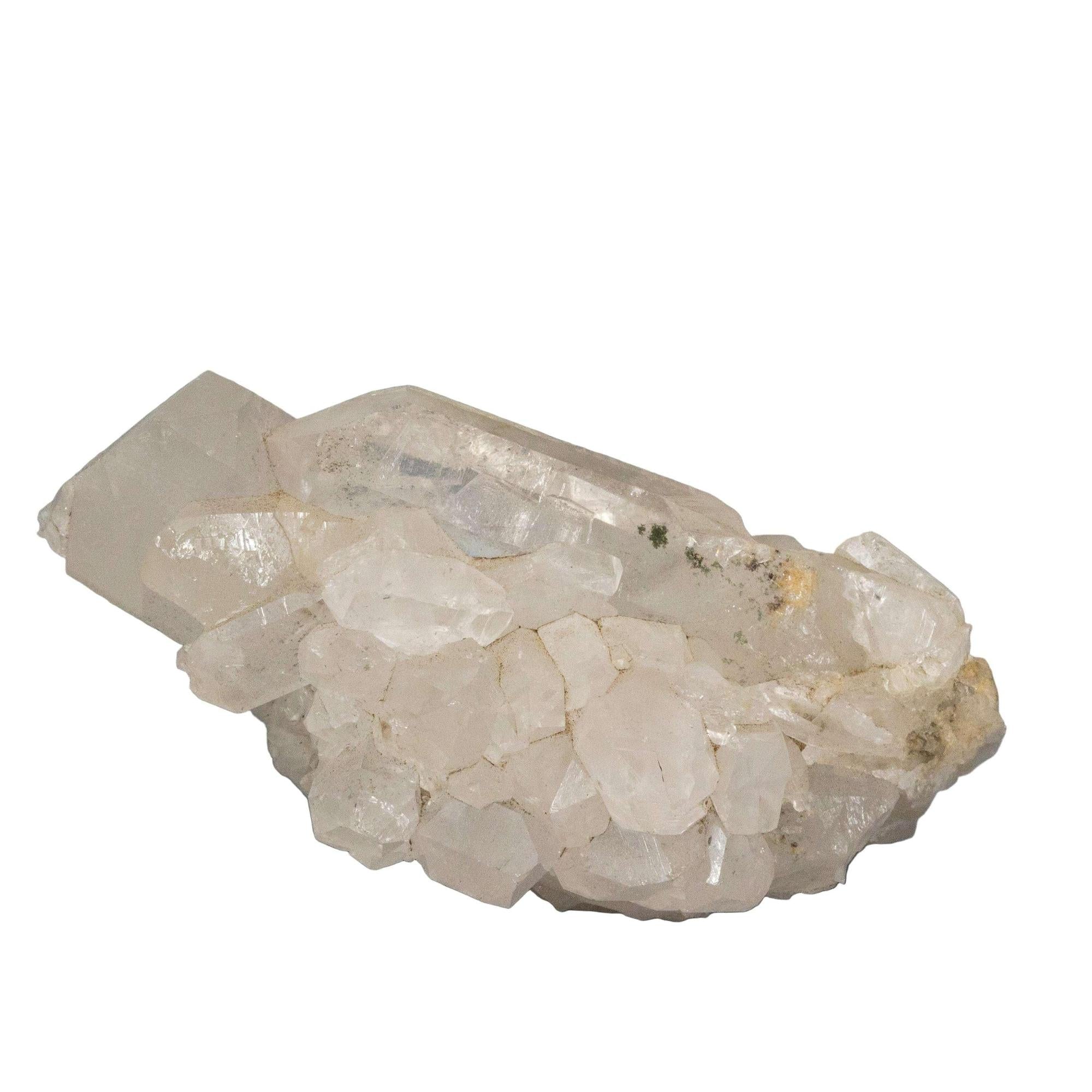
Cleansing becomes second nature once you find the methods that suit your stones. Start with a dry, gentle option, and add water only when you know the stone can take it. Explore the full CSShop collection at https://csshop.shop and pick the pieces that feel right for your practice.
Frequently Asked Questions
What should you not do to cleanse your crystals?
Avoid harsh methods that can damage the stone. Do not soak water-soluble crystals such as selenite, malachite, or some opals, and do not use salt water on delicate stones. Prolonged direct sunlight can fade amethyst and other colored quartz, so keep exposure brief. Avoid hot water, abrasive cloths, and harsh household cleaners, which can scratch, crack, or dull a polished surface. When in doubt, choose a gentle method such as smoke, sound, or intention.
Which crystals should not touch water?
Water-soluble and porous stones should stay dry. Selenite dissolves or softens in water, and malachite, azurite, and some opals can be damaged by moisture. Before rinsing any stone, check its listing or ask the seller. If you are unsure, skip water and use smoke, sound, or intention instead.
How often should you cleanse crystals?
Cleanse crystals when they have been handled by many people, after a stressful period in your home, or after a session you felt was heavy. Some people cleanse stones kept in active use, such as a bracelet worn daily, more often than décor pieces.
What is the difference between cleansing and charging crystals?
Cleansing removes accumulated energy or residue that practitioners believe builds up over time. Charging refills or activates a stone after cleansing, most often with sunlight, moonlight, or a charging plate. Many people cleanse first and charge afterward, so the stone starts from a clear state. Both steps are based on personal practice and belief rather than scientific measurement, so choose the methods that feel right to you.