 Ultimate guide
Benefits of Raw Mineral Specimens for Your Collection
Table of Contents
- Why Raw Mineral Specimens Matter to Collectors
- The Natural Beauty and Visual Appeal of Raw Specimens
- What Makes a Good Mineral Specimen
- Mineral Specimen Identification and Hands-On Learning
- Mineral Specimen Provenance and Collector Value
- How to Care for Mineral Specimens
- Building Your Raw Mineral Collection: Practical Guidance
- Ethical and Sustainable Sourcing
- Frequently Asked Questions
Last Updated: October 9, 2026
Why Raw Mineral Specimens Matter to Collectors
Raw mineral specimens represent geology in its most authentic form. Unlike polished or cut crystals, raw specimens preserve the exact conditions under which they formed, the crystal faces, growth patterns, and natural imperfections that tell a mineral's geological story.
The appeal runs deeper than aesthetics. When you hold a raw specimen, you're holding evidence of Earth's internal processes: pressure, temperature, time, and chemical composition all working together to create something that will never form exactly the same way twice. This uniqueness is what separates a raw mineral specimen from mass-produced alternatives. Every piece is singular, unrepeatable, and genuinely irreplaceable.

Collectors often begin with a simple attraction to color or shape, but many discover that raw specimens offer something more profound, a connection to geology itself. The hands-on experience of studying crystal structure, identifying mineral characteristics, and understanding formation processes transforms collecting from a casual hobby into genuine scientific engagement.
The Natural Beauty and Visual Appeal of Raw Specimens
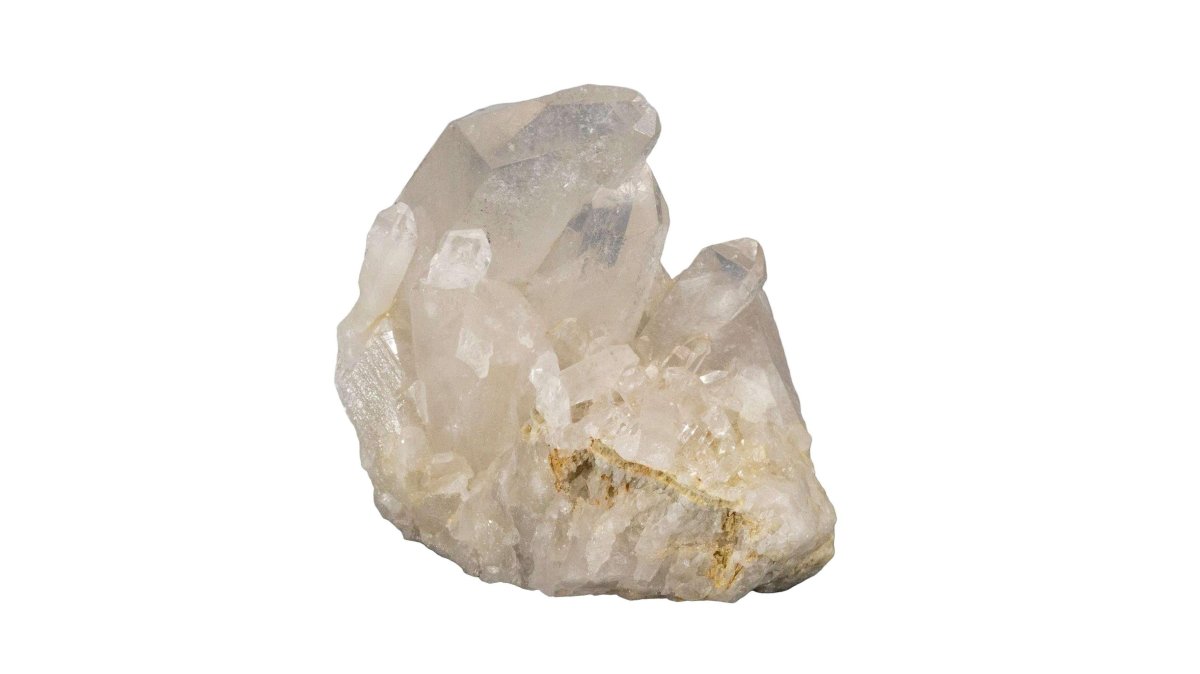
Raw specimens possess an architectural quality that polished stones cannot replicate. The unaltered crystal faces catch light differently at each angle, revealing depth and complexity that emerge only through direct observation. This three-dimensional visual interest is what keeps collectors returning to their collections, there's always something new to notice.
The color variation in raw specimens often exceeds what polished versions display. Natural weathering, iron oxide staining, and matrix material create visual complexity.

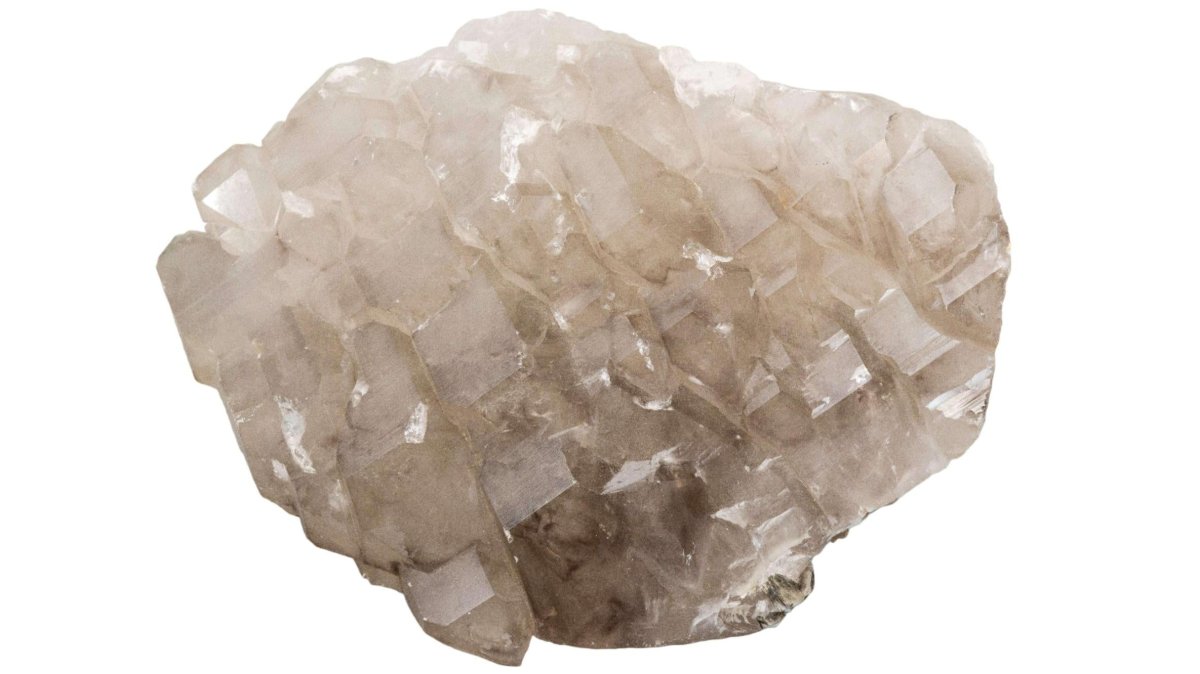
Texture is equally important. The stepped formation of elestial quartz, the interlocking scales of a gator-back cluster, the delicate points of a skeletal specimen, these surface characteristics create tactile interest that polished stones deliberately remove. For collectors, this texture represents authenticity; it's the mineral in its most honest form.
What Makes a Good Mineral Specimen
A quality mineral specimen balances several factors. Specimen quality depends on crystal clarity, color saturation, and the completeness of the formation. Well-formed crystals with sharp edges and bright faces indicate ideal growth conditions. Damage, erosion, or incomplete terminations reduce specimen value and visual impact.
Size and proportion matter, but not always in the way beginners assume. A small, perfect specimen often outranks a large, damaged one. The key is proportion, crystals should be substantial enough to show detail without overwhelming the matrix.
Matrix is the host rock surrounding the crystals. A clean, attractive matrix enhances the specimen. Herkimer Diamonds in their original dolostone matrix, for example, preserve the geological context that loose stones lose. The matrix tells you where the crystals formed and how they relate to surrounding minerals.
Locality and provenance carry scientific weight. Knowing a specimen's origin helps you understand the geological conditions that produced it. Specimens from famous collecting localities, Herkimer County for Herkimer Diamonds, for instance, often command collector interest because of the established geological record.
Mineral Specimen Identification and Hands-On Learning
Identifying minerals develops observational skills that extend far beyond collecting. You learn to recognize hardness, luster, cleavage, fracture, and streak, physical properties that define each mineral species. This isn't theoretical knowledge; it's learned through direct handling and examination.
The process begins with simple tests. Scratching a specimen with a known hardness reference tells you where it falls on the Mohs hardness scale. Observing how light reflects off crystal faces reveals luster. Examining how a specimen breaks or splits shows cleavage patterns. Each test adds a layer of understanding.
Raw specimens excel at teaching because they preserve all the diagnostic features. A polished stone has been altered; its cleavage may be hidden, its natural crystal form obscured. A raw specimen shows everything, the complete picture that mineralogy depends on. This hands-on observation builds genuine scientific literacy in a way that reading alone cannot.
Understanding Crystal Structure and Mineral Formation
Crystal structure determines everything about a mineral: its shape, its hardness, its optical properties, and how it breaks. When you examine a raw specimen, you're seeing crystal structure made visible. The geometric arrangement of atoms creates the geometric arrangement of crystal faces.
Mineral formation involves specific conditions: temperature, pressure, chemical composition, and time. These factors interact to produce different minerals from identical chemical formulas. Carbon crystallizes as diamond under extreme pressure, but as graphite under lower pressure. Quartz forms in countless varieties, clear, smoky, amethyst, depending on trace elements and radiation exposure during formation.
Understanding this process transforms how you view specimens. A raw specimen isn't just beautiful; it's evidence of specific geological conditions that existed millions of years ago. The crystal faces you see are the physical record of those conditions.
Mineral Specimen Provenance and Collector Value
Provenance refers to a specimen's documented origin and history. A specimen from a famous locality with known geological significance carries more collector value than an identical specimen with unknown origin. This isn't snobbery; it's scientific integrity. Provenance allows you to connect your specimen to the broader geological record.
Collectors value specimens from depleted or closed localities especially highly. When a mine closes, specimens from that location become finite. Herkimer Diamonds from Herkimer County represent a specific geological event that occurred 500 million years ago in a specific location. No new specimens from that exact formation are being created, what exists is what remains.
Documentation matters. Recording where you acquired a specimen, when, and from whom creates a chain of custody. This documentation becomes part of the specimen's story. Over time, well-documented collections become valuable references for other collectors and researchers.
How to Care for Mineral Specimens
Raw specimens are more fragile than they look, and the single biggest cause of lost value is well-intentioned cleaning. Before you touch a specimen, identify it.
Water-soluble and water-sensitive minerals. Halite (rock salt), sylvite, and many borates dissolve in water. Gypsum and anhydrite can slowly dehydrate or degrade.
Minerals that should never be acid-cleaned. Carbonates (calcite, aragonite, dolomite) effervesce in even weak acid. Anything with a carbonate matrix can be etched or destroyed.
Soft and fragile species. Talc, molybdenite, and graphite sit at the low end of the Mohs scale and scratch with a fingernail.
Smoky Quartz Crystal Gator Back Cluster Raw Specimen →
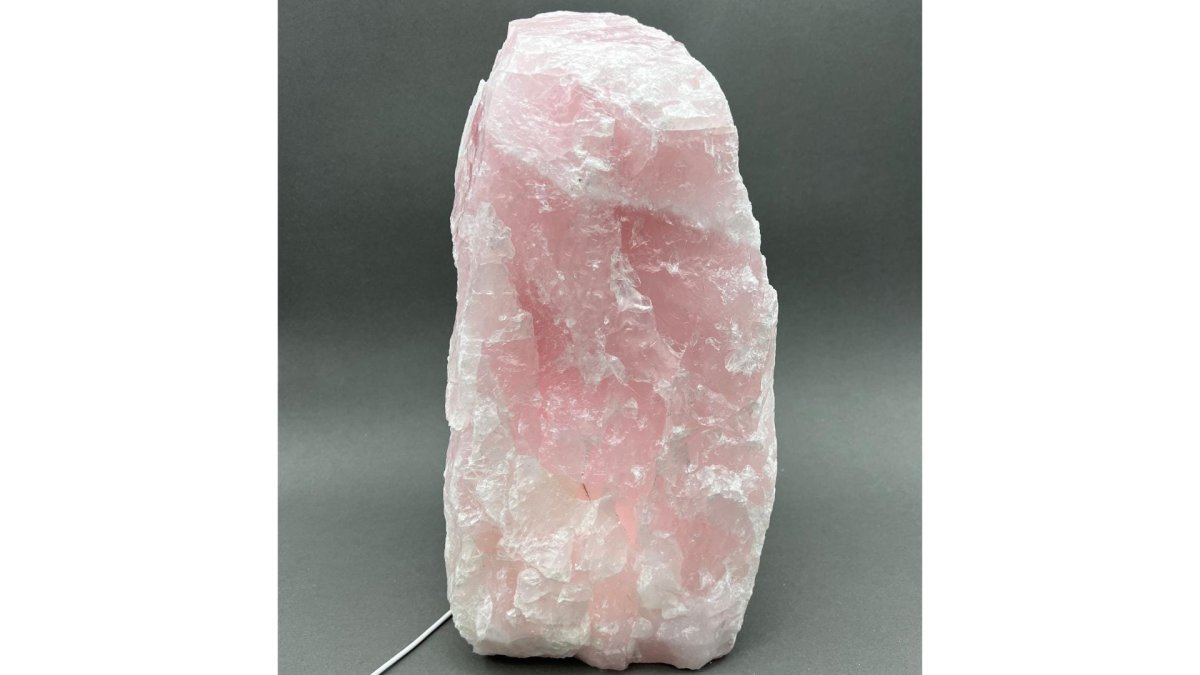
Light and humidity. Amethyst, rose quartz, and many colored varieties can fade with prolonged direct sunlight or UV exposure.
Display and storage. Use padded shelving or individual boxes for fragile pieces. Avoid stacking specimens against each other; crystal points chip easily.
Handling. Minimize skin contact. Oils and salts from hands accumulate on crystal faces and attract dust. When you must handle a specimen, hold it by the matrix rather than the crystals, and wash your hands afterward if the mineral is a known sulfide or arsenic-bearing species.
A simple rule: if you are not certain what a specimen is, treat it as fragile.
Building Your Raw Mineral Collection: Practical Guidance
Beginning collectors often feel overwhelmed by choice. Start with specimens you genuinely find beautiful. Personal preference is a valid starting point. As you develop knowledge, your criteria will naturally expand to include geological significance, rarity, and specimen quality.
Set a budget and stick to it. Quality raw specimens range widely in price depending on rarity, size, and condition. Exceptional specimens command premium prices, but beautiful, educational specimens exist at every price point. Many collectors find that starting with smaller, well-formed specimens teaches more than investing in one large piece.
Join the collecting community. Online forums, mineral shows, and local rock and gem clubs connect you with experienced collectors who share knowledge freely. These connections help you learn faster and build relationships with reliable sources.
Document your collection as it grows. Record locality, acquisition date, and any known history. Photograph each specimen from multiple angles. This documentation becomes increasingly valuable as your collection matures. If you're looking to diversify your collection with unique pieces, consider exploring curated options like Jewelry Mystery Boxes.
Ethical and Sustainable Sourcing
Ethical sourcing is not a slogan; it is a set of questions you can ask about any specimen before you acquire it.
Land access and permission. In the United States, collecting rules vary sharply by jurisdiction. Federal lands managed by the Bureau of Land Management (BLM) and the U.S.
Permits and claims. Some localities require a permit even for hobby collecting.
Protected and restricted material. Certain materials are regulated regardless of where they were found.
Questions to ask a seller. A short, direct list separates transparent sellers from vague ones:
- Where exactly was this specimen collected (state, county, and locality if known)?
- When was it collected, and by whom?
- Was it collected legally, and under what land status or permit?
- Is there any documentation, label, or prior collection history?
- Is this from an old collection, a museum deaccession, or a recent dig?
Sellers who answer these questions clearly are usually the same sellers who handle specimens carefully and price them fairly. Sellers who deflect or give only a country of origin are a risk.
Old collections and deaccessions. Much of the ethical supply in the hobby comes from specimens that left the ground decades ago.
Environmental and community impact. Small-scale and artisanal collecting, when done with permission and care, can support local economies and keep knowledge of localities alive.
Explore our full range of mineral specimens and jewelry at CSShop | Jewelry & Crystals.
Here are some of our unique raw mineral specimens:
- Smoky Quartz Crystal Gator Back Cluster Raw Specimen: This museum-quality piece features a rare gator back formation, with interlocking, scale-like crystal growth. It's a substantial specimen, measuring 257mm L x 216mm W x 127mm H and weighing 6426g, perfect for anchoring a room or a serious crystal collection. Find it here: csshop.shop
- Herkimer Diamond Crystal in Matrix Host Rock Natural: Experience Herkimer Diamonds in their most authentic form, still embedded in their dolostone matrix. This specimen includes three or more double-terminated Herkimer Diamonds and baby calcite formations, telling a complete geological story. Discover it here: csshop.shop
- Herkimer Diamond Crystal in Matrix Host Rock Specimen: This collector-grade piece showcases three genuine Herkimer Diamond crystals naturally embedded in their dolostone matrix, exactly as found. Weighing 338g and measuring 64mm × 89mm, it's a substantial matrix specimen with strong visual presence. See it here: csshop.shop
- Enhydro Quartz Crystal Skeletal Elestial Point Specimen: A truly unique find, this Skeletal Elestial Quartz point contains two distinct fluid inclusions: one air bubble and one exceptionally rare oil bubble, both visible and mobile. This piece combines skeletal growth, elestial formation, and dual enhydro inclusions. View it here: csshop.shop
Frequently Asked Questions
What are the benefits of collecting raw mineral specimens?
Raw mineral specimens offer authentic geological education, direct observation of crystal structure and mineral formation, and genuine aesthetic appeal that polished stones cannot replicate. They preserve the complete story of how the mineral grew in nature, including its matrix host rock and secondary minerals. Collectors gain hands-on science experience, develop mineral identification skills, and build a collection with lasting value and scientific authenticity.


How can you identify a raw mineral specimen?
Mineral specimen identification involves observing physical characteristics: hardness (using the Mohs scale), luster (how light reflects), color and streak (color of the powder), cleavage and fracture patterns, and specific gravity (relative weight). For raw specimens still in their matrix host rock, examine the crystal habit, faces, and any secondary mineral formations. Locality information and provenance also help confirm identity. Many collectors document these observations in detailed catalogs.
Why do collectors value mineral specimens with provenance?
Provenance, the documented origin and history of a specimen, establishes authenticity, rarity, and geological significance. Specimens from notable localities like Herkimer County, New York, or famous mining regions carry scientific and collector value. Provenance documentation prevents misidentification, confirms natural versus synthetic origin, and tells the geological story of how and where the mineral formed. Specimens with clear provenance command higher value and greater collector respect.
How should you care for raw mineral specimens?
Store raw mineral specimens in a dry environment away from direct sunlight to prevent fading and deterioration. Handle with clean, dry hands to avoid oils and moisture. Avoid exposure to extreme temperature changes and humidity fluctuations. Keep specimens away from water unless they are specifically water-stable minerals. Display them on stable shelves or in glass cases to prevent damage from falls. Regular gentle dusting with a soft brush maintains their appearance without harming delicate crystal faces or formations.