
 listicle
5 Best Hypoallergenic Earrings for Sensitive Ears 2026
Table of Contents
- Quick Comparison: 5 Best Hypoallergenic Earrings for Sensitive Ears 2026
- How We Chose the Best Hypoallergenic Earrings for Sensitive Ears
- 1. Frosted Flower Small Stud Earring: Best Under $20
- 2. LMTS Classic! Mother Of Pearl Clover Stud Earring: Best Everyday Stud
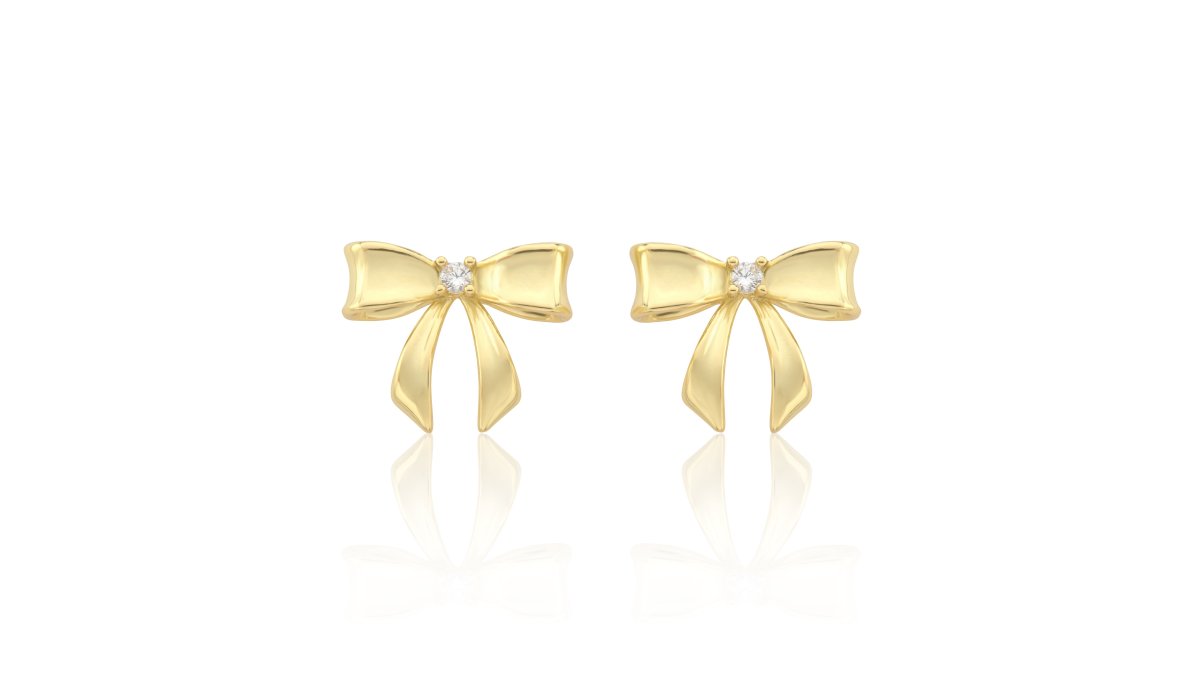
- 3. LMTS Classic! 14k Gold Plated Bow Stud Earring: Best for Kids and Teens
- 4. Micro Pave Heart Earring: Best Huggy Style for Daily Wear
- 5. Rhodium Plated Retro Classic U Hoop Earrings: Best Statement Pair
- Best Metals for Sensitive Ears: What to Look For
- Caring for Sensitive Ears Long Term
- Frequently Asked Questions
Last Updated: October 2, 2026
Quick Comparison: 5 Best Hypoallergenic Earrings for Sensitive Ears 2026
Hypoallergenic earrings are made from materials less likely to trigger an allergic reaction, typically because they are nickel-free and built around surgical steel or titanium posts. If your earlobes itch, swell, or crust over within hours of a new pair, you already know why this matters. This guide covers the five best hypoallergenic earrings for sensitive ears in 2026, all under $65, plus the metal facts you need before buying.

Here's the short version before the details:
| Earring | Price | Material | Best For |
|---|---|---|---|
| Frosted Flower Small Stud | $16.00 | 14K gold plated, surgical steel post | Best under $20 |
| Mother Of Pearl Clover Stud | $20.00 | 14K gold plated, surgical steel post | Everyday wear |
| 14k Gold Plated Bow Stud | $21.00 | 14K gold plated, nickel free | Kids and teens |
| Micro Pave Heart Earring | $22.00 | Rhodium plated, nickel free | Huggy daily wear |
| Rhodium Plated U Hoop | $64.00 | Rhodium plated | Statement pair |
How We Chose the Best Hypoallergenic Earrings for Sensitive Ears
Every pair had to clear three filters: a nickel-free or hypoallergenic claim from the maker, a post material that won't shed metal into a healing piercing, and a justifiable price. We skipped mystery alloys and anything claiming "sensitive skin friendly" without naming the post material.

1. Frosted Flower Small Stud Earring: Best Under $20
At $16.00, this is the cheapest pair on the list. The frosted clear flower sits flat against the lobe with no dangling weight, the post is surgical steel, and the finish is 14K gold plated, the gold layer keeps the steel off your skin. Suggested age is 1 and up, making these a genuine option for a first piercing.

2. LMTS Classic! Mother Of Pearl Clover Stud Earring: Best Everyday Stud
The $20.00 clover stud is a versatile choice. Mother of pearl catches light without being flashy, the 8mm size reads as deliberate, and the 14K gold plated finish with a surgical steel post matches everything else here. Suggested age is 7 and up. It earns the "everyday" title on weight: light enough to forget you're wearing it, which is the real test for sensitive ears.

3. LMTS Classic! 14k Gold Plated Bow Stud Earring: Best for Kids and Teens
Kids lose earrings, and their fresher piercings react faster to bad metal. The $21.00 bow stud solves both: inexpensive enough to replace without drama, and labeled hypoallergenic and nickel free with a 14K gold plated finish. Suggested age is 6 and up. A secure back stays put through gym class and playgrounds, and the CZ center gives it enough sparkle that a nine-year-old won't find it boring.
4. Micro Pave Heart Earring: Best Huggy Style for Daily Wear
Huggy earrings sit close to the lobe, making them the safest silhouette for sensitive ears because there's no swinging weight. This $22.00 pair uses rhodium plating, a platinum-family metal naturally resistant to corrosion and tarnish, and is labeled hypoallergenic and nickel free with a suggested age of 10 and up. Rhodium is harder than gold and doesn't react with skin oils the way some alloys do.
5. Rhodium Plated Retro Classic U Hoop Earrings: Best Statement Pair
Most hypoallergenic lists stop at tiny studs, which is frustrating if you want earrings people notice. This $64.00 pair breaks that pattern: the U hoop shape has CZ set inside and outside the curve, and the rhodium plating carries the same hypoallergenic labeling as the rest of the list. The tradeoff is honest, hoops have more surface area and movement than studs, so if your ears are actively irritated, heal first and consider these second.
Best Metals for Sensitive Ears: What to Look For
Most reactions aren't caused by the metal you can see. They're caused by nickel ions leaching out of a base alloy and binding to proteins in your skin, triggering the itching, redness, and swelling you feel. That's why the same person can wear one pair of "gold" earrings for years and react to another within an hour.
Metals to actually avoid
Nickel, lead, and cadmium. Nickel is the most common cause of contact dermatitis from jewelry and hides in a lot of "fashion jewelry" base metals. Lead and cadmium show up in cheap imports and have no place against your skin. The FDA guidance on nickel in consumer products is a useful starting point for understanding why nickel triggers so many reactions.
Implant-grade vs. surgical-grade: the distinction that matters
These terms get used interchangeably, but they don't mean the same thing. Surgical-grade generally means 316L stainless steel, strong, corrosion-resistant, and fine for most healed piercings, but still an alloy with trace nickel. Implant-grade means materials cleared for placement inside the body, like Grade 23 titanium. If you have a known nickel allergy or a healing piercing, implant-grade is safer.
Gold-plated vs. solid gold vs. vermeil
- Solid gold is gold all the way through, the most reliable option, and the most expensive.
- Gold vermeil requires a thicker gold layer (legally at least 2.5 microns) over sterling silver. Durable, but still a plating.
- Gold plated is a thinner gold layer over a base metal, often brass or steel. It's the most common finish in affordable hypoallergenic jewelry and works well as long as the plating stays intact.
A common pattern: gold-plated earrings feel fine for months, then start irritating once the plating thins at the post, the part that rubs against your skin most. That's not a new allergy; it's the base metal finally reaching your skin.
Backing types matter as much as the metal
Most guides focus on the metal and skip the hardware, but the backing is a major comfort factor for sensitive ears.
LMTS Classic! 14k Gold Plated Bow Stud Earring →
- Flat back (labret back) sits flush against the skin with no protruding post, the standard for healing piercings, since nothing catches on hair or clothing and there's no pressure point behind the lobe.
- Butterfly back is the traditional friction-fit backing. Easy to put on, but the wings can trap moisture and residue, and the post length often lets the earring shift.
- Screw back threads onto the post and stays put, good for active wearers, but the threads can harbor bacteria if not cleaned regularly.
- Hinged or snap-back hoops avoid the backing problem entirely by closing flush against the post.
How to clean earrings for sensitive skin
Clean earrings with mild soap and warm water, dry fully, and wipe the posts with isopropyl alcohol before wearing. Skip harsh polishes and ultrasonic cleaners on plated pieces, both strip the finish protecting your skin from the base metal. Clean piercings twice daily with saline while healing, and never share earrings.
How to test existing jewelry for nickel
If you already own earrings and aren't sure what's in them, home nickel-testing kits are widely available and inexpensive. They use a chemical reagent that changes color on contact with nickel. Apply a drop to the post, wait for the color change, and you have your answer in under a minute, a fast way to sort your jewelry drawer into "safe" and "suspect" piles.
Caring for Sensitive Ears Long Term
Most guides stop at prevention, which isn't helpful if your earlobe is red, swollen, and crusting right now. Here's the full protocol, from mid-reaction to long-term habits.
Post-reaction recovery protocol
If you're reacting to a pair of earrings right now, the sequence matters:
- Remove the earrings immediately. Don't wait to see if it settles, every extra hour of contact gives nickel ions more time to bind to your skin proteins.
- Clean the area gently. Rinse with lukewarm water and a mild, fragrance-free cleanser. Pat dry with a clean paper towel.
- Apply a cool compress. A clean cloth soaked in cool water for 10 to 15 minutes reduces swelling and calms the itch. Repeat as needed for the first 24 hours.
- Use over-the-counter hydrocortisone cream sparingly if the itch is significant, a thin layer, once or twice a day, for no more than a few days. If the skin is broken or weeping, skip it and see a doctor.
- Don't re-insert earrings into the affected lobe until the skin has fully returned to normal, usually three to seven days for a mild reaction.
- Once healed, reintroduce jewelry slowly. Start with implant-grade titanium or solid gold, wear two hours on day one, four on day two, and build from there.
Daily habits that protect sensitive ears
Put earrings on last and take them off first. Hairspray, perfume, and lotion leave residue that traps against the post and causes irritation that looks like an allergy but isn't. Rotate your pairs rather than wearing one set for months, plated finishes last longer with a break, and your piercings get to breathe.
Cleaning routine for sensitive ears
- Daily: Wipe the post with isopropyl alcohol before wearing. Let it dry completely, alcohol residue can irritate.
- Weekly: Wash earrings with mild soap and warm water, then dry fully. Moisture trapped behind a backing is a common cause of low-grade irritation.
- Monthly: Inspect plated pieces for thinning or flaking at the post. If the base metal shows through, retire the pair.
- Never: Use ultrasonic cleaners or harsh polishes on plated jewelry, both strip the finish protecting your skin.
When to replace a pair
Plated earrings have a lifespan. Once the gold or rhodium layer wears through at the post, usually the first place it goes, the base metal is exposed and the pair is no longer hypoallergenic in practice, even if it was when you bought it. Rule of thumb: if you can see a different color metal underneath the finish, replace it.
Keep a small labeled bag or box for "retired" earrings so you don't accidentally put a worn-through pair back in rotation. Out of sight, out of the daily rotation.
Sustainability and sourcing
A growing number of buyers care where their hypoallergenic metals come from. Titanium and surgical steel are highly recyclable, and recycled gold is increasingly available from reputable jewelers. Look for brands that disclose their metal suppliers or carry recycled-gold certifications.
Frequently Asked Questions
What metal is best for extremely sensitive ears?
Implant-grade titanium and niobium are the most reliable choices because they contain no nickel and resist corrosion. Surgical stainless steel and 14k or 18k gold are also common options, but check the alloy composition since some gold blends still include nickel. Rhodium-plated and 14k gold-plated pieces over a surgical steel post, like the styles in this guide, keep the part touching your piercing low-risk while staying affordable. If your ears react to almost everything, start with titanium or niobium and patch-test one ear before committing to a full set.
How can I tell if earrings are truly hypoallergenic?
Look for a written claim on the listing that names the specific material, such as nickel-free, surgical steel post, or implant-grade titanium. Vague terms like "sensitive skin friendly" without a material listed are a warning sign. Nickel testing kits, sold as swab or spot-test solutions, let you check a metal surface at home for nickel release. A hypoallergenic certification from the manufacturer adds another layer of confidence, but the material list on the product page is the fastest way to screen a pair before you buy.
Can I wear gold-plated earrings if I have sensitive ears?
Yes, if the base metal and the post are chosen carefully. Gold plating over brass or a nickel-containing alloy can still trigger contact dermatitis once the plating wears thin and the base metal touches your skin. Plated earrings with a surgical steel post, like several styles in this guide, keep the part inside your piercing away from base metals. Check the listing for a nickel-free claim and replace the pair once you see the plating flaking, since exposed base metal is where most reactions start.
What are the signs of an allergic reaction to earrings?
The most common signs are itching, redness, and swelling at the earlobe, often within hours of putting the earrings on. Contact dermatitis can also show up as dry, flaky, or crusty skin around the piercing, and in stronger reactions, small blisters or a weeping rash. If the irritation spreads beyond the earlobe or the ear feels hot, take the earrings out and clean the area with mild soap and water. Persistent inflammation that does not settle in a few days is worth a dermatologist visit.
How do I clean my earrings to prevent irritation?
Wipe the posts and backs with a soft cloth and a small amount of mild soap and warm water, then dry them completely before wearing, since trapped moisture encourages irritation. For metal buildup, a short soak in warm water with a drop of gentle dish soap loosens residue without harsh chemicals. Avoid abrasive polishes on plated pieces because they strip the coating and expose base metals. Clean your earrings every few wears, and always clean a new pair before its first wear to remove manufacturing residue.